

Before choosing a medical degree at Turkish universities, identify where you intend to practise and check that country’s qualification and licensing requirements. Compare each programme’s admission rules, classroom and clinical languages, training setting and full-course budget. An English-taught degree does not remove the need to communicate with patients in the language of clinical practice.
Ankara and Istanbul are the two cities that attract the most medicine students. They are Turkey’s economic, historic as well as cultural centres and many of the successful universities are located in those cities.
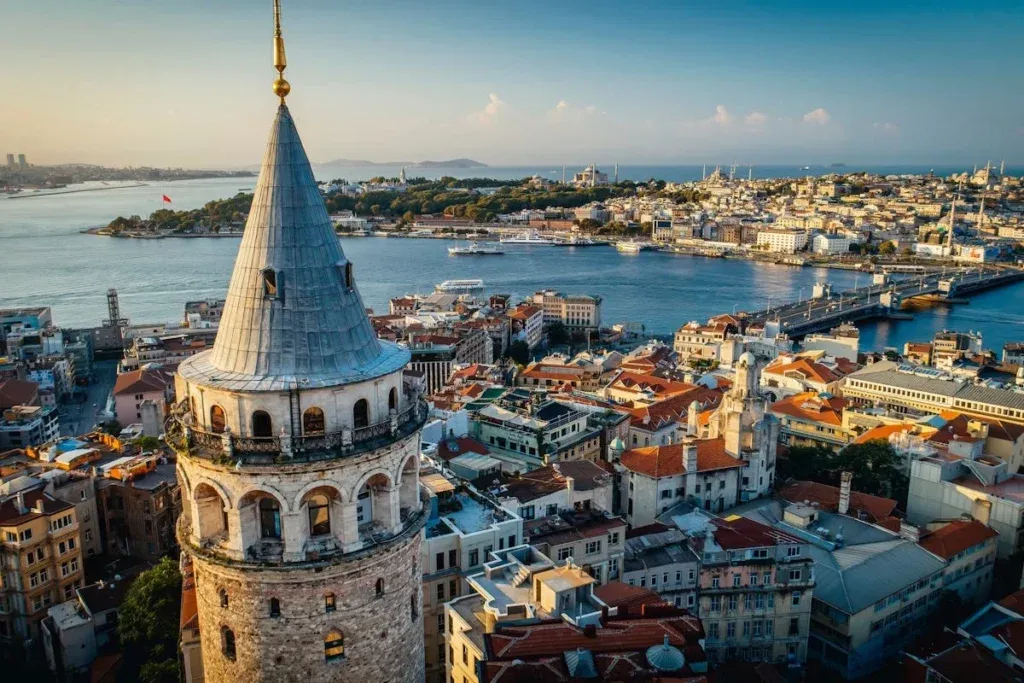
Istanbul is Turkey’s largest city and a major cultural and economic center. It is one of the world’s fifth-most visited cities, ensuring an exciting student life. Istanbul’s diverse, cosmopolitan population draws students from around the globe - its universities host a rich mix of cultures and nationalities. Many aspiring doctors are attracted to Istanbul’s world-class campuses and affiliated hospitals.
Why Study Medicine in Turkey?
A medical programme in Turkey may offer a suitable academic and clinical setting, but compare the actual curriculum and training sites before applying. Ask when supervised clinical placements begin, what language is used with patients and how progression is assessed. Build the financial plan for the full degree and any preparatory period; compare licensing requirements separately for the country where you intend to practise.

Leading Private Medical Universities in Turkey
There are numerous respected private universities in Turkey that provide excellent medical education. Some of the leading private universities in Turkey include:
Tuition Fees and Scholarships
Request the current tuition quote for the exact medical programme, teaching language and intake. Check whether it covers preparation, all years of study and any additional charges. If you apply for financial support, confirm eligibility, selection, coverage and renewal conditions separately; meeting a minimum academic requirement does not guarantee funding.
Admission Requirements to Private Universities in Turkey
Admission to medical schools in Turkey need certain requirements to be meet alongside the submission of needed documents. The general admission requirements include:
- A High School Diploma: For a prerequisite, a student must at least possess a high school diploma or its equivalent, with the best grade having been obtained in the science subject.
- Entrance Exam: The SAT and the university's own examination are some of the entrance exams many universities require of their international student population.
- Language Proficiency: Proficiency in the language of instruction (Turkish or English) is necessary. There might be a need for TOEFL scores for English-taught programs, or students may need to demonstrate proficiency in English through internal language exam test, conducted at the university.
- Personal Statement and Letters of Recommendation: Many universities often require one to write a personal statement showing his or her motivation and goals together with teachers' or professionals' recommendations.
- Interviews: To determine whether an applicant is a good fit for the medical program, some universities may conduct interviews.

Curriculum and Specializations
The medical curriculum in Turkey typically spans six years and it is divided into pre-clinical and clinical phases.
- Pre-Clinical Phase: The pre-Clinical Phase is the first three years of the medicine education. The emphasis of these years would be the basic sciences, such as anatomy, biochemistry, and physiology, combined with pathology. Other curricular areas include ethical training in medicine and developing communication skills.
- Clinical Phase: The remaining three years are spent on practical training in hospitals and clinics; students are rotated through various medical specialities, including internal medicine, surgery, pediatrics, obstetrics and gynecology, and psychiatry. This provides hands-on experience vital for the development of clinical skills.
After students complete their undergraduate degree, they can pursue specializations. Among these specializations are dermatology, neurology, orthopedics, cardiology, and more. These specializations are extremely competitive and they have intensive training requirements from the students.
A listing in the World Directory of Medical Schools does not itself establish recognition, accreditation or a licence to practise. For the US route, check the school’s ECFMG Sponsor Note and applicable graduation years, together with all other certification requirements. For the UK, the GMC must find the overseas qualification acceptable before the relevant PLAB or registration route. Neither a directory entry nor passing one examination is a blanket permission to work internationally.
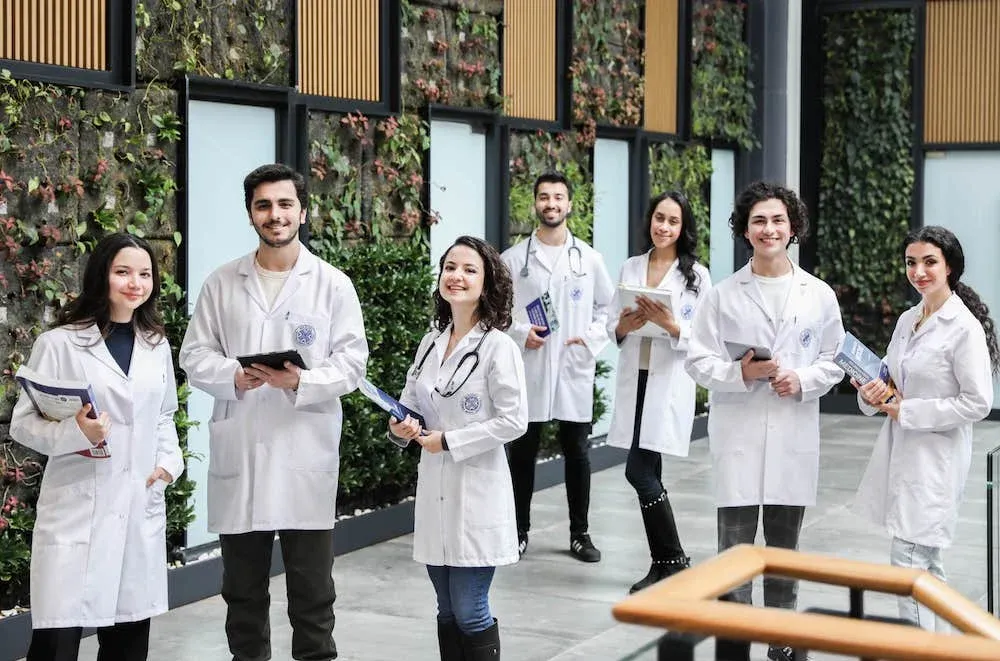
Common Challenges and Tips for Success
Studying medicine abroad inevitably has challenges. Research on international med students in Turkey highlights several issues: newcomers must adjust to “different studying habits” and often struggle with homesickness or cultural differences. Language barriers (even in English programs, knowing some Turkish helps) and the heavy workload can be stressful. To succeed, plan ahead and seek support: learn some Turkish early, form study groups, and use university resources (tutoring, counseling, language labs). Budgeting is important given exchange rates.
Stay organized and be proactive - many students find that joining student clubs and mingling with locals accelerates their social adjustment. Remember that universities are used to international students and usually offer help (academic advisors, peer mentors) for those adapting. By staying engaged and seeking help when needed, international students in Istanbul can overcome these initial hurdles and thrive.
Student Life in Istanbul
Life in Istanbul offers a blend of East-West culture that few other cities can match. Many students live near campus in vibrant districts like Kadıköy, Beşiktaş or Şişli, each with cafes, markets and nightlife. Cultural landmarks (e.g. Hagia Sophia, the Grand Bazaar) and social attractions (music, sports, festivals) are readily accessible on weekends. In fact, Istanbul is the 5th most popular tourist destination in the world, so new students can explore monuments and museums alongside locals. Universities provide strong support systems: international offices run orientation programs, mentorship schemes, Turkish language courses and academic advising to help foreign students adapt.
Public transport is student-friendly (discounted passes), and many venues offer student discounts. Overall, Istanbul’s mix of modern campus facilities and rich social life - from Bosphorus ferry rides to culinary diversity - makes studying here both educational and enjoyable.
Advantages of Studying Medicine in Turkey
Compare medical programmes by their curriculum, clinical training setting and requirements for progression into practical years. Recognition of the academic qualification and permission to practise medicine are separate matters. Before enrolling, check the regulator in the country where you intend to work, including its language, examination and training requirements.
Turkey’s cultural diversity is also another advantage. With Turkey’s cultural diversity, students can develop a global awareness and international understanding of people and the world.
In addition, the medical education cost in Turkey is way lower than in most Western countries. Since it is more affordable, studying medicine in Turkey is attractive for international students. Turkish universities have significant research emphasis as well, with some focusing on modern medical studies to support industry advances.
Final Thoughts
Before applying, compare a small number of medical programmes using the same criteria: admission requirements, teaching and clinical languages, curriculum, training setting, full-course costs and the licensing route relevant to your plans. Record unresolved questions and request programme-specific answers before a deposit. A useful choice is one whose academic, financial and professional requirements you understand and can realistically meet.
StudyU Agency has been making education in Turkey accessible to applicants from all over the world for several years. Our team includes Russian and English speaking experts who have themselves traveled the path of enrollment and successfully graduated from leading Turkish universities.
Since 2022 we have supported more than 300 students applying to Turkish universities and verified university-confirmed tuition terms. Under an agreement with StudyU, support can include application and document preparation, denklik, visa-document coordination and housing requests; universities, authorities and housing providers make and confirm the relevant decisions.
Need advice for your specific situation?
Talk to a consultant - free, no obligations.
FAQ
Yes. Turkey has English-taught medical programs, especially at private universities. Students should still plan to learn Turkish because clinical years, hospital practice and patient communication require more than classroom English.
The standard medical program takes 6 years. The first years focus on basic sciences, then students move into clinical training and hospital practice. If the student needs a language preparatory year, the total route can become longer.
At popular private medical universities, the post-discount budget often falls between $10,000 and $25,000 per year, depending on the university, language and admission season. Some options are higher, so the real comparison should use the final discounted price, not only the brand name.
A Turkish medical degree can support an international career, but recognition always depends on the country where the graduate wants to work. StudyU discusses licensing, exams, language and post-graduation plans before the student chooses the university.
Official sources
- YÖK Atlas: official program catalogue — program availability, institution and stated language of instruction. International quotas and tuition require the university's own current source.
- YÖK: official international-student information — the official university search route and general international-student guidance. The chosen university still owns its admission requirements.
Rules change. Open the active cycle before applying or paying, and confirm program requirements with the selected university.
