
🇮🇹 Studying in Italy for international applicants
Start with the specific degree: check the university’s entry requirements, teaching language, deadlines and tests, its official fee schedule, and—if you are a non‑EU applicant—the pre‑enrolment and visa steps. Italy has no single national price or application calendar.
Higher education in Italy at a glance
Italy - is not only high art and a rich architectural heritage, but also a chance to get a quality European education at an affordable price. Italian universities rank among the world's best, holding high positions - even in the top hundred.
Italy's education system follows the Bologna model and has three levels. A bachelor's (Laurea) usually lasts 3 years and a master's (Laurea Magistrale) 2 years. For some fields - such as medicine, dentistry, architecture or law - there are single-cycle programs lasting 5-6 years that combine both levels.
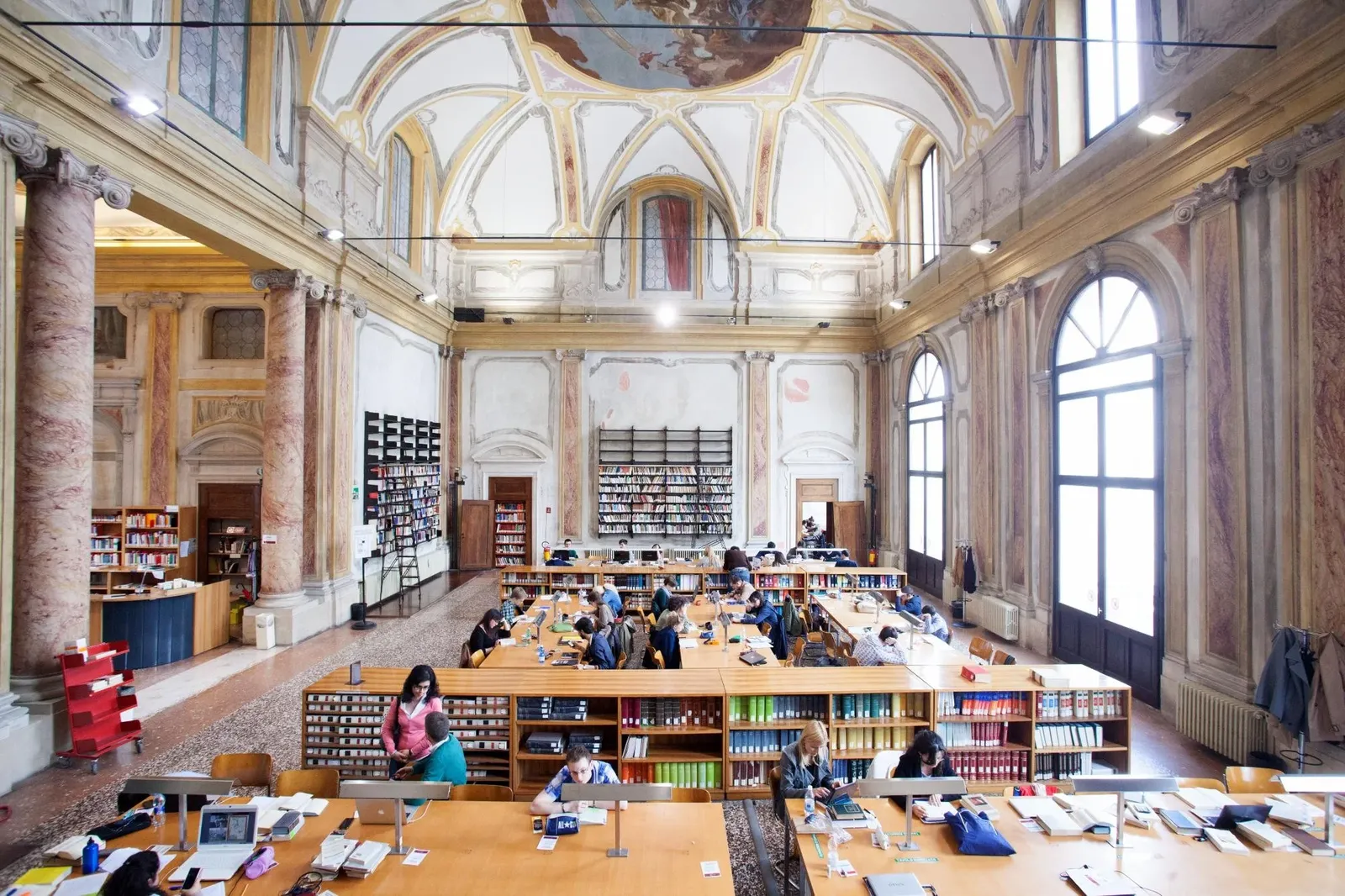
For international students, one of Italy's main advantages is the wide choice of English-taught programs. Even at the bachelor's level there are fields designed specifically to prepare specialists for an international career. Such programs in business, fashion, design, communications and the social sciences are growing rapidly in Milan, Rome and other cities, where private universities bet on a global outlook and close ties to companies worldwide. Their goal is not only to provide quality education but also to prepare students for success in an international setting - whether in Europe, the USA or Asia.
An 11-year school qualification may require additional accepted study. Italian procedures allow several ways to address missing schooling, including completed higher-education study or an accepted foundation course. Confirm the route with the receiving university before paying for preparation.
Advantages of studying in Italy
- Affordable tuition.
Tuition in Italy remains relatively affordable compared with other European countries. The European Commission guide is approximately $1,000–$4,600 a year for public universities and $6,900–$23,100 or more for private institutions, depending on the programme and applicant’s circumstances. In addition, many universities offer scholarships to support international students, including tuition coverage and help with accommodation. - Planning after graduation. Check the residence route available for your qualification and status before relying on a post-study stay. Eligibility to apply is separate from receiving a permit or finding a job; keep expected earnings outside essential study funding.
- Study format and assessment. Compare the programme’s timetable, credits, attendance requirements and assessment rules. Coursework, laboratory work and exam resits depend on the course; do not assume a fixed daily workload or unlimited retakes across all Italian universities.
Drawbacks of studying in Italy
Italian bureaucracy.
Admission to Italian universities is fairly complex. The requirements and procedures can be hard to follow in English. It's best to turn to specialists for document preparation. The StudyU agency supports applicants in gathering and submitting documents. Book a 15-minute consultation to learn more.
• Difficulty finding housing.
In Italy, especially in big cities, finding student housing is difficult. Almost all housing is rented through agencies and requires a deposit and security payment. The shortage of dormitories and the economic situation drive rents up. With relatively affordable tuition, accommodation costs can dominate the budget.
Italy: separate university fees from potential financial aid
Public and private institutions need different budgets. European Commission guides show the scale of costs; the selected institution determines the actual fee.
| Scenario | Approximate USD |
|---|---|
| Public universities: annual guide | $1,000–$4,600 |
| Private institutions: annual guide, some programmes cost more | $6,900–$23,100 |
| Living: 12 months using the general guide | $9,700–$15,200 |
Living costs include housing; the city and tenancy materially affect the amount. Milan and other expensive cities need a specific calculation.
Public programme plus a year of living using these guides: approximately $10,700–$19,800. Add expenses outside these categories.
Fees can depend on the programme and family-income documentation. Design, fashion, foundation courses and private master’s programmes have their own terms.
Regional aid such as ER.GO follows a public call with financial and academic criteria. The amount and benefits depend on student status and the applicable call; do not subtract funding before an award decision.
If your budget is limited
Compare public programmes and cities with manageable rents. Include a scholarship or reduction in available funds after an official award decision.
What to prepare next
Prepare your qualification, language, subject and budget. If seeking reduced fees, check the institution’s required supporting documents.
Rounded amounts are shown in US dollars for comparison, using ECB reference rates from 2026. The programme and its provider’s terms determine the final fee. Count housing and other categories once. Check what the university calculation includes; add only missing expenses and StudyU fees separately. A deposit can require funds before studies start. Do not add proof of funds again to expenses those same funds cover.
Other costs and accommodation
The European Commission living guide is approximately $9,700–$15,200 for 12 months, including housing. Actual rent and availability depend on the city and contract; obtain a current housing quote before committing to a programme.
Housing, food, transport and other daily expenses should be counted within your living budget once. For a visa, use the competent Italian consulate’s current financial-evidence checklist; an old nationwide dollar estimate is not a substitute for the applicable requirements.
Admission requirements
Admission requirements for Italy can differ from one university to another. It's also worth remembering that applying for a scholarship may come with additional conditions.
The basic document package includes:
- School diploma
- An English-proficiency test (IELTS, TOEFL) or Italian (CILS, CELI)
- CV
- Motivation letter
- Recommendation letters
- An entrance test or exam - for certain programs
- Interview
Master's:
- Bachelor's degree
- An English-language proficiency test
- CV
- Motivation letter
- Recommendation letters
- For some programs - the GRE or GMAT
Deadlines
Build a calendar for the selected programme: university admission, tests, scholarships, Universitaly pre-enrolment and visa processing have separate dates. Use the current university and consular instructions; a general seasonal guide is not an application deadline.
In addition, Italy has both open-access and restricted-access programs. Some faculties have limited admission quotas - it's important to submit documents on time to be among those admitted.
Official sources to check
Before applying, verify the requirements, amounts and dates for your intake with primary sources:
How to apply to Italy: a step-by-step plan
Italian admission isn't fast, but it's predictable once you break it down:
- Choose the programme and university. Follow the university’s admission procedure first. Applicants who need a study visa use Universitaly for visa pre-enrolment as instructed by the institution. Admission, pre-enrolment validation and the consulate’s visa decision are separate steps.
- Qualification assessment. Ask the university whether it requires a Dichiarazione di Valore, CIMEA statements or other evidence. The university decides how it evaluates the qualification; a CIMEA comparison is not automatic recognition. Check the responsible service’s current processing terms rather than assuming one route is faster.
- Language certificate. IELTS or TOEFL for English-taught programs, CILS or CELI for Italian-taught ones; some universities run their own tests instead.
- Pre-enrolment (preiscrizione). Follow the selected programme’s current Universitaly instructions, available places and visa timetable. Check deadlines with the university and competent consulate before arranging travel; validation of pre-enrolment does not guarantee a visa.
- Check the selected programme’s current admission notice for any test, portfolio, interview or ranking requirement. Test formats and routes can differ by subject, teaching language and intake; a general country guide does not replace the official call.
- Type D student visa. You'll need the admission confirmation, housing and a financial guarantee - the financial evidence required by the competent Italian consulate for your application.
Under an agreement with StudyU, deadline tracking and preparation of CIMEA and application documents can form part of the agreed support. Start with a free initial consultation to clarify your goal, profile, timing and budget.
Applying straight after 11th grade
For an 11-year school qualification, ask the university which additional study it accepts to address the missing year. The Italian procedure lists completed higher-education study, relevant post-secondary qualifications and accepted foundation study among the possible routes; the receiving university assesses the evidence. Compare eligibility, provider fees and preparation time before choosing a route. Our study-abroad guide gives broader planning context.
Master's degrees in Italy
The Laurea Magistrale takes two years, and for many students it's the smartest entrance into Italian education: a relevant bachelor’s degree is assessed against the selected programme’s academic and language requirements. Use the selected master’s programme fee: the general public-university planning guide is approximately $1,000–$4,600 a year, with private programmes priced separately. English-taught master's options noticeably outnumber bachelor's ones, especially in engineering, economics and design. The DSU grant works for master's students too: eligibility, award value, services and academic-progress conditions are determined by the regional call; count funding only after the official decision. Beyond the diploma and language certificate, expect to submit a CV and motivation letter; some business programs ask for GRE or GMAT.
What studying in Italy costs
| Expense | Budget for |
|---|---|
| Public university fee (bachelor's) | $1,000–$4,600 / year (general guide) |
| Private university | $6,900–$23,100 or more / year (general guide) |
| Master's | Check the selected master’s and applicable fee category |
| Foundation year | Check the selected foundation provider |
| Rent (Milan, Rome) | Obtain a current housing quote; included in living budget |
| Food | Include groceries in living budget |
| Transport | Include local travel in living budget |
| Total living costs | $9,700–$15,200 for 12 months (general guide) |
Regional scholarships can reduce costs, but the applicable call determines financial, academic-progress and other eligibility requirements, award value and services. Prepare the required income and asset documents early and count funding only after an official award decision.
FAQ about studying in Italy
Check the university’s country-specific qualification requirements. An 11-year school qualification may need an accepted foundation route or additional completed study. A bachelor’s degree is the starting qualification for a master’s application; recognition, academic fit and language requirements still apply.
The European Commission guide is approximately $1,000–$4,600 a year for public tuition, $6,900–$23,100 or more for private institutions, and $9,700–$15,200 for 12 months of living including housing. Actual fees depend on programme and applicant circumstances; public study is not automatically free.
Study is not automatically free. Regional aid depends on the applicable call, including financial and academic requirements. An award can reduce eligible costs, but its amount, services and continuation conditions must be confirmed; do not budget on an unawarded grant.
Check the teaching language and the programme’s accepted tests, required scores and exemptions. IELTS, TOEFL, CILS or CELI may be relevant, but one certificate is not sufficient for every programme. Italian can also be useful for daily life and placements.
Check the current dates for your programme, scholarship and visa route separately. Universitaly pre-enrolment is part of the visa procedure for applicants who need it; the university’s earlier deadlines still matter. Leave time for qualification assessment, tests and missing documents.
Italian universities
University and college catalogue
- University of Florence (Università degli Studi di Firenze)
- University of Milano-Bicocca (Università degli Studi di Milano-Bicocca)
- University of Milan — La Statale (Università degli Studi di Milano)
- University of Naples Federico II (Università degli Studi di Napoli Federico II)
- University of Padua (Università degli Studi di Padova)
- University of Pisa (Università di Pisa)
- University of Turin (Università degli Studi di Torino)
- University of Trento (Università di Trento)
- University of Genoa: English-Taught Degrees, Admission and Fees for International Students
- University of Messina: English-Taught Degrees, IMAT Medicine and Fees
- University of Parma: Admission, English-Taught Degrees, Medicine in Piacenza and Fees
- University of Siena for International Students: Admission, Degrees and Fees 2026/27
- University of Rome Tor Vergata: Admission, English-Taught Degrees and Fees
- Domus Academy Milan: Master's, Bachelor's, Degrees and Fees
- Istituto Europeo di Design (IED): Italian Campuses, Degrees and Fees
- Istituto Marangoni Milano: AFAM Degrees, Programmes and Fees
- Luiss University Rome: Programmes, Admission and Fees
- NABA Milan and Rome: Academy of Fine Arts, Programmes and Fees
- Polimoda Florence: Programmes, Diploma Status and Fees
- IULM University Milan: Programmes, Admission and Fees
- John Cabot University: An American University in Rome — 2027/28 Fees, Admission and Visa
Guides
- Bachelor's in Italy for International Students: Entry Rules, Tests, Deadlines and Fees
- Documents for University Admission in Italy (2026–2027): Checklist, Apostille, CIMEA and Declaration of Value
- Master's in Italy: How to Apply for a Laurea Magistrale in 2027
- English-Taught Degrees in Italy: Where to Find Them, Which Certificates You Need and What They Cost
- Free University Education in Italy for International Students: What "Free" Means in 2026/27
- ISEE Parificato for International Students: Home-Country Documents, CAF, Timing and Tuition
- Scholarships in Italy for International Students 2026/27: DSU, MAECI, Invest Your Talent and University Awards
- Student Housing in Italy 2026/27: DSU Halls, University Residences, Private Rooms and Leases
- Italian Language Certificates CILS, CELI and PLIDA: Which One You Need for University and When to Sit It
- Permesso di Soggiorno for Students: How to Get and Renew Your Italian Residence Permit
- Working While Studying in Italy: Hour Limits, Student Jobs and Staying After Graduation
- Student Visa for Italy: Documents, Proof of Funds and Deadlines for 2026/27
- Design and Fashion Schools in Italy: Politecnico, AFAM Academies and Private Schools
- Studying Medicine in Italy in English: IMAT, Non-EU Places and the 2026/27 Rules
- Universities in Italy for International Students: Types, Strong Fields and How to Choose
- Universities in Milan for International Students: Which to Choose, Costs and Admission
- Universities in Rome for International Students: State and Private Options, Fees and Admission
- Italian Language Courses in Italy: Visas, 2026–2027 Prices and Choosing a School
- Studying in Italy as a Russian Citizen: Type D Visa, Universitaly and Recognition
- Secondary School in Italy for International Students: Licei, Boarding, Visas and Guardianship
Get a free consultation
Talk to a real consultant. During the free initial consultation, we clarify your goal, profile, timing, and budget and identify the next realistic step. A personal strategy, requirement checks, selection of agreed options, document preparation, applications, and support are provided under an agreement with StudyU.
- Discuss your study goal and academic profile
- Clarify budget, timing and destination constraints
- Identify a realistic next step and what to verify before applying
Write to us
Leave a request - and we will get in touch with you.
StudyU is ICEF Accredited Trusted Agency #7302. One consistent point of contact with first-hand study-abroad experience. About StudyU
Prepare and compare destinations
Updated:
