
Higher education in Japan at a glance
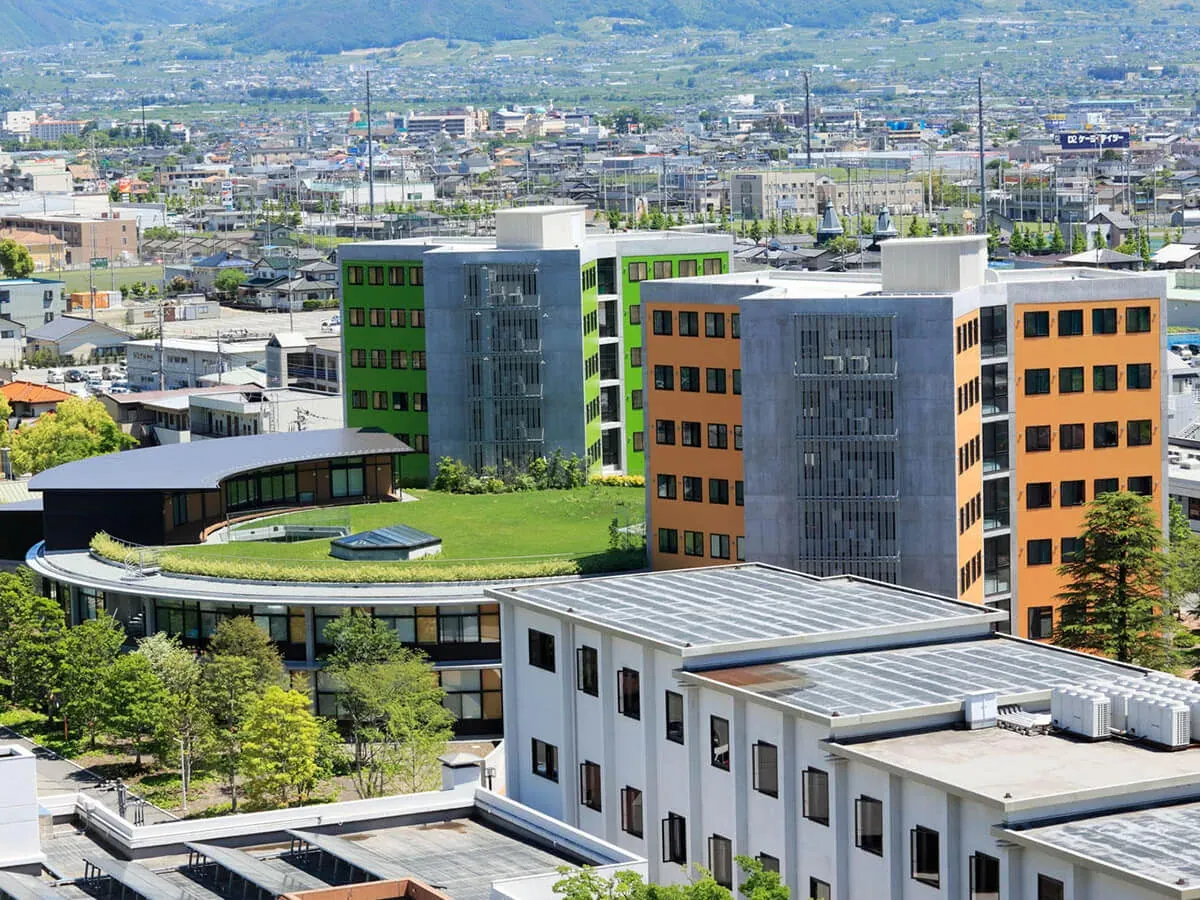
Japan combines ancient traditions with advanced technology, and its universities are among the strongest in Asia and the world. For international students, the country appeals with its quality of education, safety, generous government scholarships and a growing number of English-taught programs.
The system follows a familiar three-tier model: bachelor's (usually 4 years), master's (2 years) and doctorate (3 years). The academic year in Japan starts in April, though many international programs also offer a fall intake.
Advantages of studying in Japan
- World-class universities, especially in engineering, technology and the natural sciences.
- MEXT government scholarships and university grants, often covering tuition and accommodation.
- A growing number of English-taught programs - Japanese is not always required.
- A high level of safety and quality of life.
- The option to work part-time during studies and find employment after graduation.
Japan: the first year differs from later years
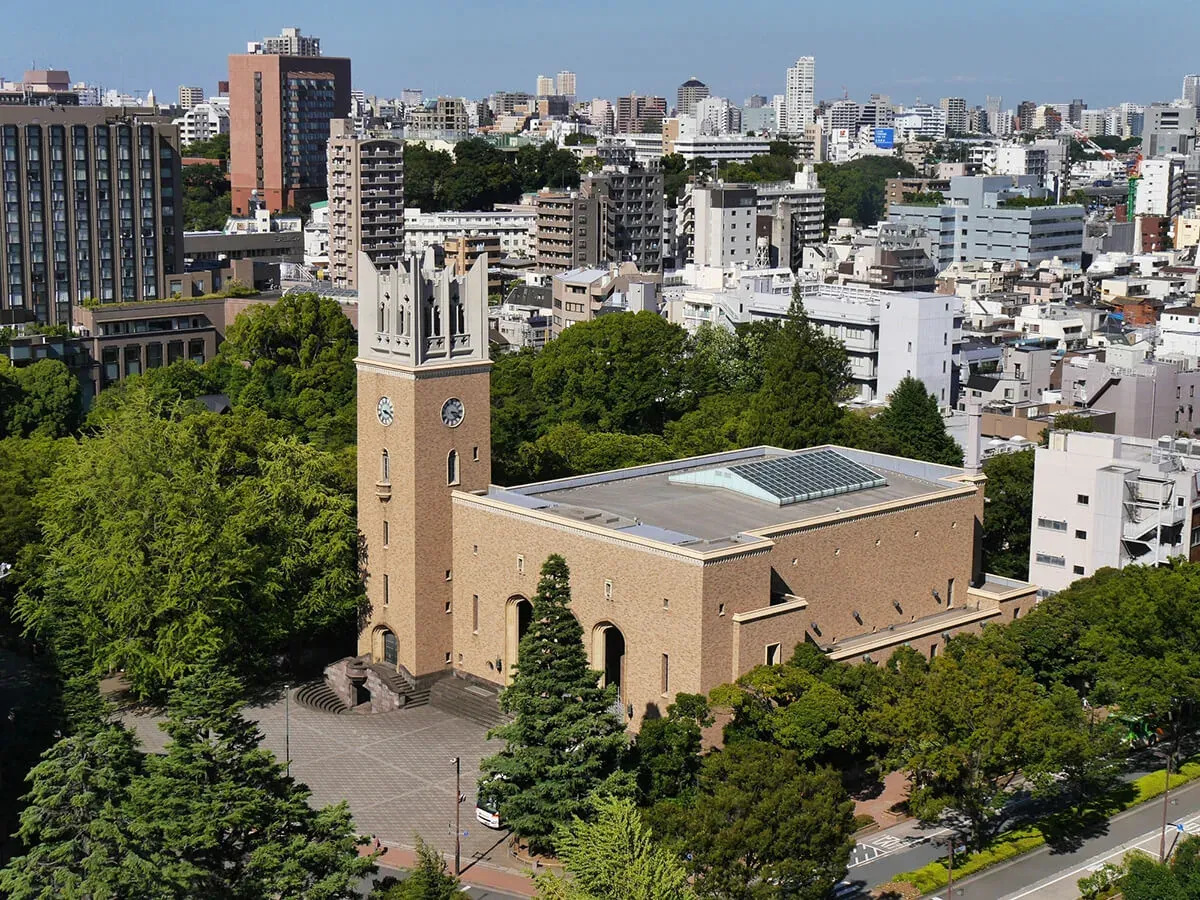
Study in Japan’s average first-year academic fees include admission and tuition. They should not automatically be repeated as the fee for every later year.
| Scenario | Approximate USD |
|---|---|
| National university undergraduate: average first-year academic fees | $5,300 |
| Private undergraduate excluding medicine, dentistry and pharmacy: first year | $8,400 |
| National university graduate study: average first-year academic fees | $5,300 |
| Living: 12 months using the JASSO student survey | $8,100 |
The living guide is based on JASSO’s 2023 survey and excludes study expenses. Tokyo and a particular room need a current calculation.
First-year illustrations: national or private non-clinical undergraduate fees plus living: approximately $13,400–$16,500. Add expenses outside these categories.
Language school is a separate stage with its own duration. Clinical subjects have a substantially different fee level.
If your budget is limited
Compare national universities and cities outside Tokyo. Japanese proficiency and entry requirements matter: a lower fee does not imply easier admission.
What to prepare next
Include the teaching language, Japanese or English level and subject. Add exam details and whether a language-school stage is feasible.
Rounded amounts are shown in US dollars for comparison, using ECB reference rates from 2026. The programme and its provider’s terms determine the final fee. Count housing and other categories once. Check what the university calculation includes; add only missing expenses and StudyU fees separately. A deposit can require funds before studies start. Do not add proof of funds again to expenses those same funds cover.
Study in Japan: academic fees · Study in Japan: living
Official requirements: MEXT: university eligibility · JASSO: MEXT scholarships · JASSO: student work
The way in
International applicants are admitted on the basis of a secondary school diploma and proven language proficiency (English or Japanese). Some programs require standardized test results (such as the EJU) and a motivation letter.
Deadlines and requirements vary by university. It's worth starting the Japan application a year to 18 months ahead to gather documents, improve your language and apply for scholarships.
Step by step:
- Language school track. Language preparation has its own fee and duration. Confirm whether a MEXT-designated preparatory course is needed for academic eligibility; ordinary language study does not guarantee it.
- EJU exam. Most universities admit internationals via EJU (Japanese, math, subjects) plus their own interview.
- English-taught programs. Check the programme’s own document and examination requirements. English-medium teaching does not itself waive prior-education requirements or entrance assessments.
- MEXT scholarship. MEXT offers several scholarship types with different requirements and selection through an embassy or university. Eligible categories provide tuition exemption, a monthly stipend and travel under defined terms. This does not automatically cover every expense: check the call for your nationality, study level and application year.
- Visa. The receiving institution usually assists with the COE process. The applicant must then meet visa requirements; a COE does not guarantee visa issuance.
Applying straight after 11th grade
The usual requirement is 12 years of schooling, but MEXT recognises other eligibility routes, including certain designated 11-year courses. An ordinary language school does not automatically supply a missing year: a designated preparatory course may be needed. English-medium study does not waive academic eligibility; confirm your qualification with the institution. More: study-abroad guide.
Master's degrees in Japan
Graduate schools assess prior education, the research plan, language and faculty requirements. Research-student status may be a separate stage, but does not guarantee degree admission. MEXT has its own selection; count funding after an award.
What studying in Japan costs
Compare the same intake, study load and accommodation period. Do not add housing or financial evidence again to expenses already covered. Preparation and extra semesters need separate calculations; StudyU services are accounted for under the agreement.
FAQ
Some programmes are taught entirely in English, while others require Japanese. Check the actual teaching language, accepted certificates and any Japanese-language support. English entry does not guarantee that daily life, internships or later employment can be managed without Japanese.
JASSO’s average first-year admission and tuition charges are about $5,300 at national universities and $8,400 for private undergraduate courses excluding medicine, dentistry and pharmacy. Admission charges are not necessarily recurring; confirm later-year tuition and compulsory programme fees with the institution.
EJU assesses Japanese language and academic subjects for international applicants. Each institution decides whether it is required, which subjects to take and which results it accepts; additional university assessments may apply.
JASSO’s average first-year academic fees are about $5,300 at a national university or $8,400 for private undergraduate study excluding medicine, dentistry and pharmacy. Adding the $8,100 guide for 12 months of living gives examples of $13,400 and $16,500. These are averages, not Waseda or iCLA tariffs; check extra fees and moving costs separately.
An application is possible if you meet the specific call’s requirements, but selection and available places determine the result. Check nationality, age, prior education, subject and recommendation route early. Keep an alternative funding plan until a written award is confirmed.
Thinking about studying in Japan?
During the free initial consultation, we clarify your goal, profile, timing, and budget and identify the next realistic step.
Universities in Japan
Each comes with a full guide - faculties, prices and requirements. The list will keep growing.
Guides
- Bachelor's in Japan for International Students: Programmes, Requirements, Costs and 2027–2028 Timelines
- EJU Exam Guide: Subjects, Scores, 2026–2027 Dates and Where to Sit It
- Master's in Japan: How to Apply, Find a Supervisor and Budget for 2027–2028
- Japanese University After 11 Years of School: the 12-Year Rule, Exceptions and Routes for 2027–2028
- Applying to Japanese Universities for 2027: Routes, Deadlines, Documents, CoE and Visa
- JLPT Exam Guide: Levels N5–N1, Scores, Dates and Test Centres
- Senmon Gakko in Japan: Vocational Schools for International Students, Entry Requirements and Work After Graduation
- MEXT Scholarship: Categories, Eligibility and the 2027–2028 Timeline
- Student Visa for Japan: Certificate of Eligibility, Proof of Funds and Where to Apply
- Japanese Language Schools in Japan: Choosing a School, Costs and the Student Visa
- English-Taught Degrees in Japan: Bachelor's and Master's Programmes, Requirements and Fees in 2026
- Working While Studying in Japan: the 28-Hour Rule, Permission, Pay and Tax in 2026
- Cost of Studying in Japan in 2026: Tuition, Living Costs and a First-Year Budget
- Japan or Korea for Studying: Tuition, Language, Admissions, Scholarships and Work Compared
- Student Housing in Japan: Dormitories, Apartments and Move-In Costs in 2026
- Universities in Tokyo for International Students: Where to Study, English-Taught Options and 2026/27 Costs
- Universities in Japan for International Students: Types, Realistic Routes and 2026/27 Costs
- Studying in Japan as a Russian Citizen: the CoE Route, the Moscow Visa Centre, the Attestat, MEXT and Recognition
Get a free consultation
During the free initial consultation, we clarify your goal, profile, timing, and budget and identify the next realistic step. A personal strategy, requirement checks, selection of agreed options, document preparation, applications, and support are provided under an agreement with StudyU.
- Discuss your study goal and academic profile
- Clarify budget, timing and destination constraints
- Identify a realistic next step and what to verify before applying
Write to us
Leave a request - and we'll get in touch.
StudyU is ICEF Accredited Trusted Agency #7302. One consistent point of contact with first-hand study-abroad experience. About StudyU
Prepare and compare destinations
Updated:
