
🇰🇷 Studying in South Korea for international applicants
Higher education in South Korea at a glance
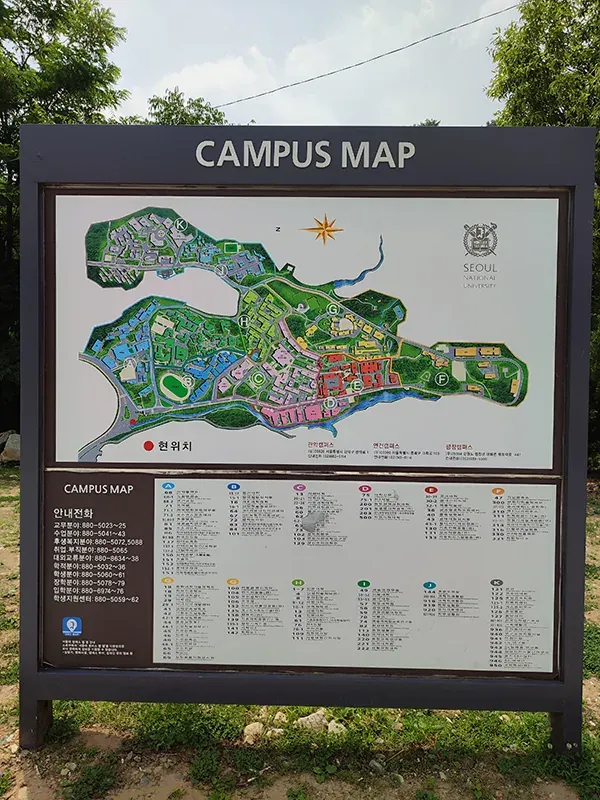
South Korea is one of the world's tech leaders, and its universities are among the best in Asia. The country attracts international students with strong programs in technology and science, generous scholarships and a dynamic, modern environment.
Education follows a three-tier model. The number of English-taught programs is growing, and Korean can be studied alongside.
Advantages of studying in South Korea
- Top-tier universities in Asia, especially in technology.
- GKS (Global Korea Scholarship) and university grants.
- Programs in English.
- A high-tech and safe environment.
- The chance to learn Korean.
South Korea: an average is not a programme quote
Study in Korea publishes annual averages by university type. They help compare the scale of costs but do not set the price of an English-taught programme or specific subject.
| Scenario | USD |
|---|---|
| Public-sector undergraduate: average annual tuition | $3,100 |
| Private undergraduate: average annual tuition | $5,600 |
| Graduate study: all-institution average annual tuition | $3,100 |
| Living: 12 months using Study in Korea guidance | $6,600–$8,800 |
The living guide includes housing. Its upper end is not a spending ceiling: Seoul and your actual tenancy may cost more. Check food, transport, insurance and the deposit for your arrangement.
Combining average public-sector undergraduate tuition and the published living guide gives $9,700–$11,900 for a year. This adds two reference figures; it is not a complete university quote.
Medicine, arts courses and language centres need separate calculations. The graduate average does not describe every professional master’s programme.
If your budget is limited
Compare public universities and campuses outside Seoul where the language and subject fit. Do not rely on a scholarship for essential funding before an award decision.
What to prepare next
Prepare your Korean or English level, grades and intended degree level. Mention whether another city is an option.
Rounded amounts are shown in US dollars for comparison, using ECB reference rates from 2026. The programme and its provider’s terms determine the final fee. Count housing and other categories once. Check what the university calculation includes; add only missing expenses and StudyU fees separately. A deposit can require funds before studies start. Do not add proof of funds again to expenses those same funds cover.
Study in Korea: fees · Study in Korea: living · European Central Bank
Official requirements: Study in Korea: admission · Study in Korea: visa · Study in Korea: scholarships · Study in Korea: language
The way in
Admission is based on your diploma and proven English or Korean (TOPIK) proficiency. Some programs offer a preparatory language year.
StudyU helps compare universities, check scholarship requirements, and prepare application and visa documents; the university and consular authority make the decisions.
Step by step:
- Pick a university and semester. Spring and autumn intakes exist, but not every programme opens in both. Check application dates, document deadlines and the GKS call separately for the intended year.
- Language certificate. The programme sets its language threshold and accepted tests. Preparation length depends on your starting level and workload; a one-year course does not guarantee the required result. For an English-taught degree, also check the language of placements and practical study tasks.
- Documents. Apostilled school certificate or diploma, transcript, motivation letter, passports; creative majors add a portfolio.
- Application and fee. Submissions go through each university's admission portal; most schools charge an application fee.
- D-2 visa. D-2 applications require proof of admission, prior education and financial ability, plus the consulate’s document list. Confirm the amount, holding period and sponsor rules for your country and programme. Tuberculosis testing applies where required. Do not add proof of funds again to the expenses those funds cover.
- Housing. Book the dormitory right after admission - Seoul campuses fill up fast.
Admission with an 11-year school certificate
More: guide to studying in Korea after the 11th grade.
Master's degrees in Korea
Master’s admission requires separate assessment of the recognised degree, relevant subjects, grades and language. Faculty conditions may apply. Compare the whole programme cost and prior-education requirements, rather than the degree title alone.
What studying in Korea costs
Compare the same study and accommodation period. Calculate preparation and extra semesters separately; do not add housing or proof of funds a second time to expenses already covered. StudyU services are accounted for under the agreement.
FAQ
Some English-taught programmes admit on the university’s required English evidence; Korean-taught degrees require Korean. Check accepted tests, thresholds and the language of compulsory courses. Studying Korean alongside the degree does not waive entry requirements.
GKS and university scholarships have different categories, eligible countries and selection routes. The specific call sets coverage, payments and renewal conditions. Check the current announcement for your nationality, level and application route; budget without an award until it is confirmed in writing.
Technology, engineering and the natural sciences; SNU and KAIST are among the best in Asia.
Average annual undergraduate tuition is about $3,100 in the national/public sector or $5,600 at private institutions. The official 12-month living guide is $6,600–$8,800 including housing; it is not a spending ceiling. The public-average example totals $9,700–$11,900 before missing categories. Count scholarships after an award.
Study in Korea gives completed secondary education, normally 12 years, as the general reference. For a specific 11-year certificate, the university must confirm equivalence and eligibility under its international admissions category. A language course alone does not replace academic eligibility or guarantee progression to a degree.
Check the selected programme’s calendar: spring and autumn intakes have separate windows, and some programmes admit only once a year. Prepare qualification and language documents before applications open. GKS follows its own announcement and embassy or university deadline.
An application is worth considering if you meet the current call’s nationality, age, qualification and programme conditions. Selection and available places determine the outcome; old aggregate quotas do not show an individual applicant’s chances. Check the embassy or university route and retain a budget without the award.
Thinking about studying in South Korea?
During the free initial consultation, we clarify your goal, profile, timing, and budget and identify the next realistic step.
Universities in South Korea
Each comes with a full guide - faculties, prices and requirements. The list will keep growing.
University and college catalogue
- Ewha Womans University
- Hankuk University of Foreign Studies (HUFS)
- POSTECH (Pohang University of Science and Technology)
- Pusan National University
- Sogang University
- Chung-Ang University (CAU)
- Hanyang University
- Korea University
- Kyung Hee University
- Sungkyunkwan University (SKKU)
- Yonsei University
- Ajou University: Admission, Tuition and Scholarships for International Students
- Dongguk University: Admission, Tuition and Scholarships for International Students
- Hongik University: Admission, Tuition, Portfolio and Scholarships
- Inha University: Admission, Tuition and Scholarships for International Students
- Konkuk University: Admission, Tuition and Scholarships for International Students
- Sejong University: Admission, Tuition and English-Taught Programmes
Guides
- Bachelor's Degrees in Korea: How to Apply After High School and What It Costs
- Master's in Korea: Requirements, Application Windows and Funding for 2027
- Applying to Korean Universities in 2027: Routes, Deadlines, Documents and Costs
- GKS Scholarship Korea: Quotas, Eligibility and Deadlines for 2027
- Korean Language Programmes in Korea: University Institutes, Fees and the D-4 Visa for 2027
- TOPIK Exam Guide 2026–2027: Levels, Scores, Test Dates and Where to Sit It
- Working While Studying in Korea 2026: D-2 Part-Time Hours, Permits and Pay
- Cost of Studying in Korea 2026: Tuition per Semester, Living Costs and a First-Year Budget
- Korea D-2 Student Visa 2026: Documents, Proof of Funds and How to Apply
- Student Housing in Korea 2026: Dormitory Prices, Goshiwon, Deposits and How to Protect Your Money
- China or Korea for Studying: Costs, Language, Admission, Scholarships and Work Compared
- Universities in South Korea for International Students: Types, 2026 Costs and How to Choose
- Universities in Seoul for International Students: Which to Choose, Where to Live and What It Costs
- Studying in Korea as a Russian Citizen: Routes, D-2 Visa, Costs and Recognition
- Study in Korea After 11th Grade: Direct Entry or a Language Year First
Get a free consultation
During the free initial consultation, we clarify your goal, profile, timing, and budget and identify the next realistic step. A personal strategy, requirement checks, selection of agreed options, document preparation, applications, and support are provided under an agreement with StudyU.
- Discuss your study goal and academic profile
- Clarify budget, timing and destination constraints
- Identify a realistic next step and what to verify before applying
Write to us
Leave a request - and we'll get in touch.
StudyU is ICEF Accredited Trusted Agency #7302. One consistent point of contact with first-hand study-abroad experience. About StudyU
Prepare and compare destinations
Updated:
