
Forensic Sciences in Turkey at a glance
Forensic Sciences in Turkey is a four-year science bachelor’s that trains specialists to analyse physical and biological evidence for courts and investigators. Üsküdar University in Istanbul runs it in both Turkish and English, at $4 200 and $4 400 a year respectively for 2026–27, and continues it at master’s and PhD level through its Institute of Addiction and Forensic Sciences.
- Length: four years, plus a preparatory year if your English or Turkish is below entry level.
- Core: chemistry, biology and genetics first, then DNA analysis, toxicology, fingerprints, firearms, trace evidence and crime-scene investigation.
- Faculty: at Üsküdar the degree sits in the Faculty of Engineering and Natural Sciences, so it is a laboratory science rather than a law or policing course.
- Important for your career plan: most forensic posts in Turkey are public-sector jobs open only to Turkish citizens, so international students usually aim at private laboratories or careers abroad.
What the curriculum covers
Üsküdar describes its programme as covering drug analysis; hair, fibre, paint, glass, explosive and fire-debris analysis; DNA analysis; firearms examination; fingerprint identification; footwear and tyre-track analysis; questioned documents; and crime-scene investigation. A typical sequence looks like this:
- General chemistry and biology
- Mathematics and physics for scientists
- Introduction to forensic science
- Basic laboratory safety and technique
- Analytical and organic chemistry
- Molecular biology and genetics
- Human anatomy and physiology
- Criminal law basics
- Forensic toxicology and drug analysis
- DNA profiling and forensic genetics
- Fingerprints, firearms and trace evidence
- Crime-scene investigation practice
- Questioned documents and digital evidence
- Expert reporting and courtroom testimony
- Quality assurance in forensic laboratories
- Graduation project
Laboratory work runs through every year. Ask how many hours per week you spend in the lab and which instruments, such as chromatography or DNA sequencers, undergraduates operate themselves.
Entry requirements for international applicants
- School certificate with good results in chemistry and biology; weak science grades are the main reason applications to lab-based degrees struggle.
- Exams. Private universities admit international students on school grades, SAT or YÖS results in different combinations. The 2026 TR-YÖS/1 sitting was on 12 April 2026.
- Language. Choose the English or Turkish track. Without an accepted certificate you start with a preparatory year: Üsküdar lists $4 400 for its English preparatory class and $1 500 for its Turkish course (TÖMER) in 2026–27.
- After admission: diploma equivalence from the Ministry of National Education and a student residence permit.
How to choose a forensic science track
- English or Turkish. The English track costs $200 a year more at Üsküdar but keeps doors open abroad. The Turkish track helps if you want internships in Turkish laboratories.
- Your target country. Check how forensic scientists are hired where you want to work: many police and state laboratories require national citizenship, security clearance or a specific accredited degree.
- Science base. A strong chemistry and genetics foundation lets you move into toxicology, pharmaceutical or clinical laboratories if forensic posts are scarce.
- Graduate route. Üsküdar’s institute offers master’s degrees in Forensic Sciences and in Forensic Chemistry and Toxicology, and a PhD in Forensic Sciences, all in Turkish.
Careers and the public-sector question
Üsküdar names the General Directorate of Security, the Gendarmerie, the Ministry of Justice and judicial institutions, public and private forensic laboratories, healthcare laboratories and academia as graduate destinations. Roles include forensic laboratory analyst, DNA or toxicology technician, crime-scene specialist and court-appointed expert.
Turkish law on civil servants lists Turkish citizenship among the general conditions for public posts, so police, gendarmerie and state forensic laboratories are generally closed to foreign graduates. Realistic routes for international students are private and hospital laboratories, insurance and fraud investigation, research, and forensic work in their home country after recognition of the diploma.
Who this degree suits
A good fit if you…
- like chemistry and biology and precise laboratory work;
- can handle case material involving injury and death;
- have a realistic plan for where you will work after graduating.
Think twice if you…
- picture it as detective work rather than laboratory science;
- want a public forensic job in Turkey without Turkish citizenship;
- dislike statistics and written reports.
Universities offering Forensic Sciences
Üsküdar University in Istanbul offers the degree in two languages and continues it at master’s and PhD level.
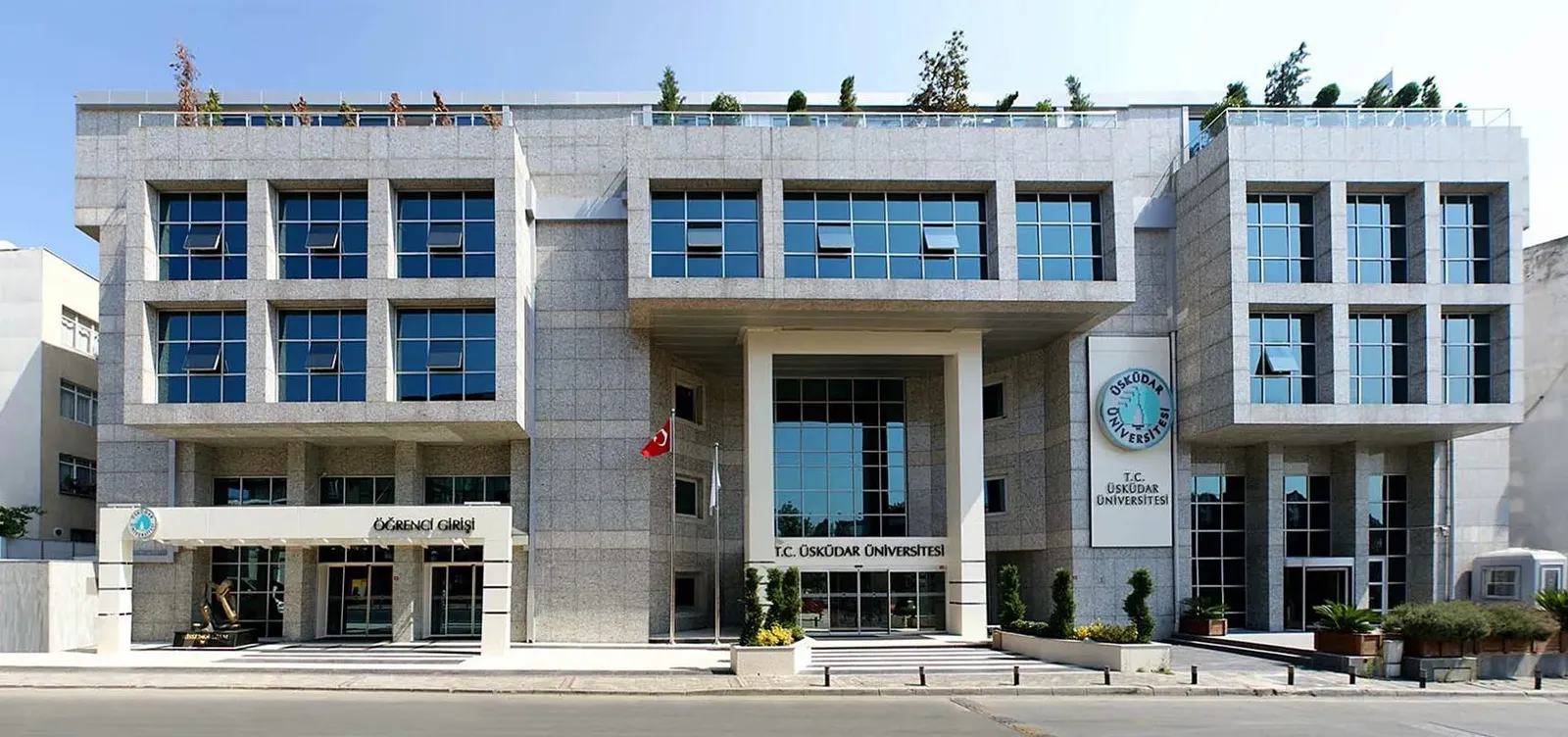
| University | Degree | Language | Tuition |
|---|---|---|---|
| Uskudar University | Bachelor | Turkish | $4 200/yr · fee source (2026–27) |
| Uskudar University | Bachelor | English | $4 400/yr · fee source (2026–27) |
| Uskudar University (thesis) | Master | Turkish | $5 100 whole programme · fee source (2026–27) |
| Uskudar University | PhD | Turkish | $7 800 whole programme · fee source (2026–27) |
Fees are the universities’ own list prices, checked on 29 September 2026. “On request” means the university publishes no fee with a 2026–27 label; ask it for a written quote.
Budgeting for 2026–27
Üsküdar’s 2026–27 list charges $4 200 a year for the Turkish track and $4 400 for the English track, with lower prices if you pay the full year in advance ($3 800 and $3 960) and a $1 000 deposit. At graduate level it lists $5 100 for the whole thesis master’s in Forensic Sciences and $7 800 for the PhD. Add laboratory coats and safety equipment, housing, health insurance and the residence permit.
Common questions
Yes. Üsküdar University runs an English track alongside its Turkish one.
Üsküdar lists $4 200 a year for the Turkish track and $4 400 for the English track, before the discount for paying in advance.
Generally no. Public posts in Turkey require Turkish citizenship, so international graduates usually work in private laboratories or return to their own country.
No. Forensic medicine is a specialisation for qualified doctors. Forensic Sciences is a science degree for laboratory and crime-scene specialists.
Yes. Üsküdar offers master’s degrees in Forensic Sciences and in Forensic Chemistry and Toxicology, and a PhD in Forensic Sciences, taught in Turkish.
Chemistry and biology, followed by mathematics. They carry most of the first two years.
Planning to study forensic sciences in Turkey?
A personal strategy, requirement checks, selection of agreed options, document preparation, applications, and support are provided under an agreement with StudyU. The university decides admission, the migration authority decides the residence permit, and employers or national authorities decide who may work as a forensic expert.
Official sources
- YÖK Atlas: official program catalogue — program availability, institution and stated language of instruction. International quotas and tuition require the university's own current source.
- YÖK: official international-student information — the official university search route and general international-student guidance. The chosen university still owns its admission requirements.
- ÖSYM: official TR-YÖS exam (2026) — the official calendar and application route for TR-YÖS/1 in 2026. Each university publishes whether the result is required for the selected program.
Also checked on 29 September 2026 on the institutions’ own sites:
- Üsküdar University: Forensic Sciences department (uskudar.edu.tr) — faculty, curriculum areas and graduate employers named by the university.
- Üsküdar University: 2026–27 international tuition fees (international.uskudar.edu.tr) — annual bachelor’s fees, whole-programme graduate fees, English preparatory and Turkish course fees.
- Law No. 657 on Civil Servants (Turkish) (mevzuat.gov.tr) — Article 48 general conditions for civil-service posts, including Turkish citizenship.
All fees are published in US dollars, so no currency conversion was applied. Confirm language, curriculum, quota and tuition with the university for your intake before paying.
Updated:
