
What this degree covers
A History bachelor's in Turkey is a four-year, 240-ECTS degree built on source criticism, historiography and research writing, with an unusually strong regional lens on the Ottoman Empire, the Turkish Republic and the Eastern Mediterranean. Among the private universities listed below, Üsküdar teaches it in Turkish for $4,200 a year and Bilgi teaches it in English for $12,000 a year (2026/27 published fees).
The degree runs over eight semesters. The first year is methodological: how historians date, locate and test a document, how arguments are built from fragments, and how to write a referenced essay. Years two and three move through periods and regions, and the final year is usually organised around electives and a research paper or graduation project.
What makes Turkey distinctive for this subject is proximity to primary material. Istanbul holds the Ottoman Archive of the Presidency's State Archives, major manuscript libraries and a dense network of museums, so seminar topics often come with a site visit or a real catalogue entry rather than a textbook summary. For doctoral research, YÖK runs a support programme for foreign PhD students working on Ottoman history, general Turkish history, Turkology or Turkish culture at a Turkish institution.
The language of the track shapes the whole experience. An English-taught programme reads mostly international scholarship; a Turkish-taught one opens the far larger body of Turkish-language research and, in many departments, Ottoman Turkish palaeography.
What you study
Expect a reading-heavy timetable: weekly source seminars, short analytical papers and fewer exams than in business or engineering. The outline below shows the typical progression; each university publishes its own course catalogue, and elective lists change from year to year.
- Introduction to history
- History of the ancient world
- Historiography
- Auxiliary historical disciplines
- Academic writing
- Medieval history
- Modern history
- History of Turkey and the Ottoman Empire
- Archaeology (basics)
- Source studies
- Contemporary history
- World history
- Museum and archive work
- Research work
- Internship
- Special-subject electives (for example Ottoman social history, Balkan or Caucasus history, historiography of the Republic)
- Graduation research paper based on primary sources
Mandatory internships are less common in History than in applied fields. When a department offers museum, archive or publishing placements, they are usually credit-bearing electives, so ask for the list of recent host institutions if hands-on heritage work matters to you.
Entry requirements for international applicants
Private universities admit international History applicants mainly on their school record. National entrance exams are not the default route.
- School certificate. An 11-year certificate from Russia, Kazakhstan, Uzbekistan and other CIS systems is assessed by the university against its own minimum grades. Bilgi lists an equivalency certificate among its undergraduate documents; in Turkey this recognition (denklik) is issued by the Ministry of National Education, separately from admission.
- Exams. SAT or TR-YÖS results are optional supporting evidence at most private universities. ÖSYM held the 2026 TR-YÖS/1 on 12 April 2026, so a new score would come from a later session.
- English track. Bilgi exempts students from its preparatory year with TOEFL iBT 75, PTE Academic 60, Cambridge CAE grade C or FCE grade B; otherwise students sit its own exemption test on arrival and join the prep programme if they do not pass.
- Turkish track. Turkish-taught programmes generally expect B2 Turkish. Bahçeşehir, for example, requires B2 or a score of 60 on its own Turkish exam after enrolment.
- Documents. Passport, transcripts for the final school years, the diploma (or predicted results if you are still at school) and certified translations at registration.
How to compare History programmes in Turkey
Two programmes with the same title can train quite different historians. Before paying a deposit, compare them on these points:
- Research language. If you want to work with Ottoman or Turkish-language sources, a Turkish track with palaeography will serve you better than an English one, even if it costs a preparatory year.
- Regional depth. Check how many electives cover Russia, Central Asia, the Caucasus or the Balkans. These courses turn a Russian-speaking student's background into an academic advantage.
- Thesis or project. A graduation paper built on archival work is the best writing sample for a later master's application.
- Double major and minor rules. History pairs well with international relations, sociology or museum studies; confirm the GPA threshold for a second major.
- Library access. Ask which databases and digitised collections students can use off campus.
Universities offering History
Published tuition for History at private universities, with the academic year of each fee.
| University | Degree | Language | Tuition |
|---|---|---|---|
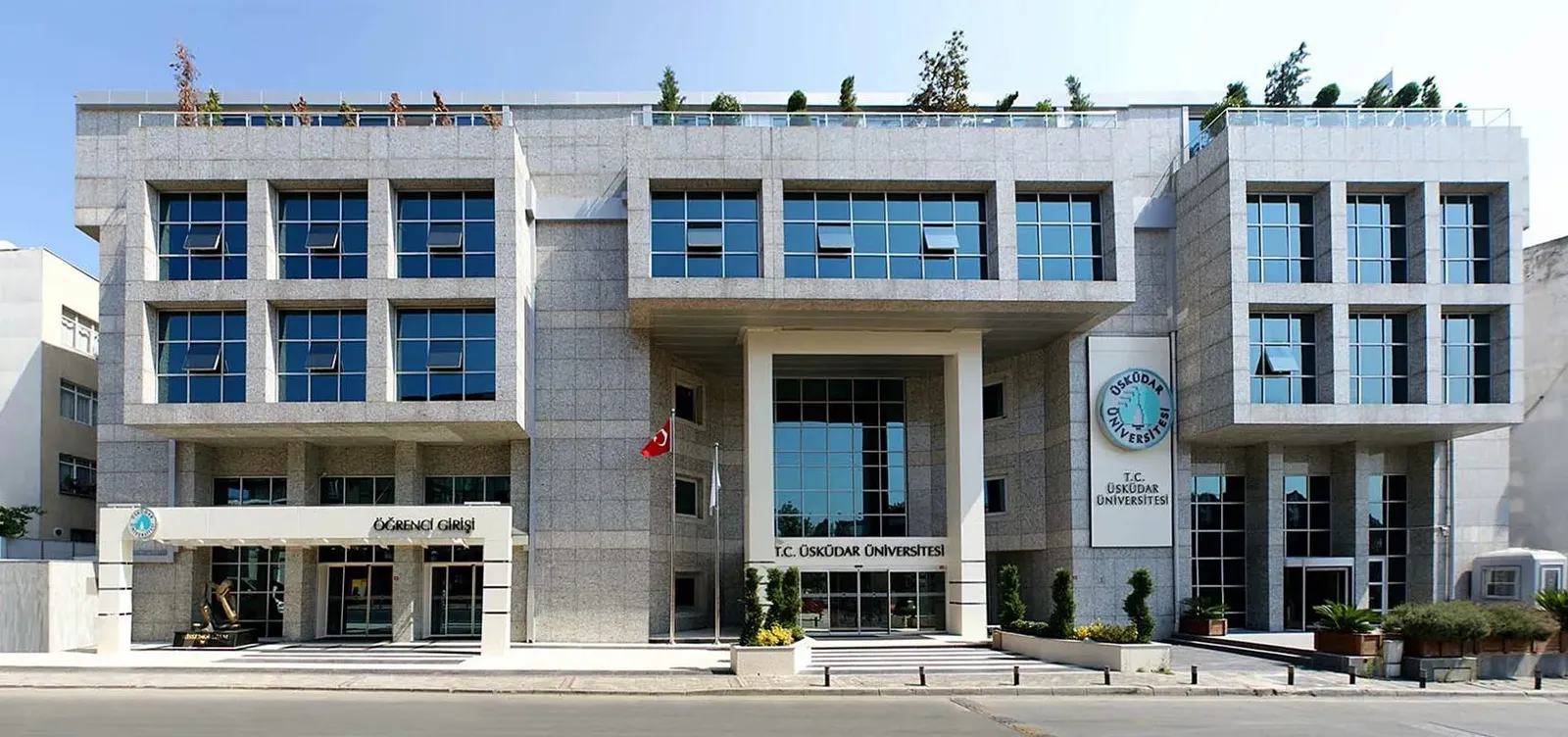
| Uskudar University | Bachelor | Turkish | $4,200/yr (2026/27) |
| Bilgi University | Bachelor | English | $12,000/yr (2026/27) |
| Bahcesehir University — History (thesis) | Master | Turkish or English | $14,000 total (2026/27) |
| Bahcesehir University — History (non-thesis) | Master | Turkish | $12,000 total (2026/27) |
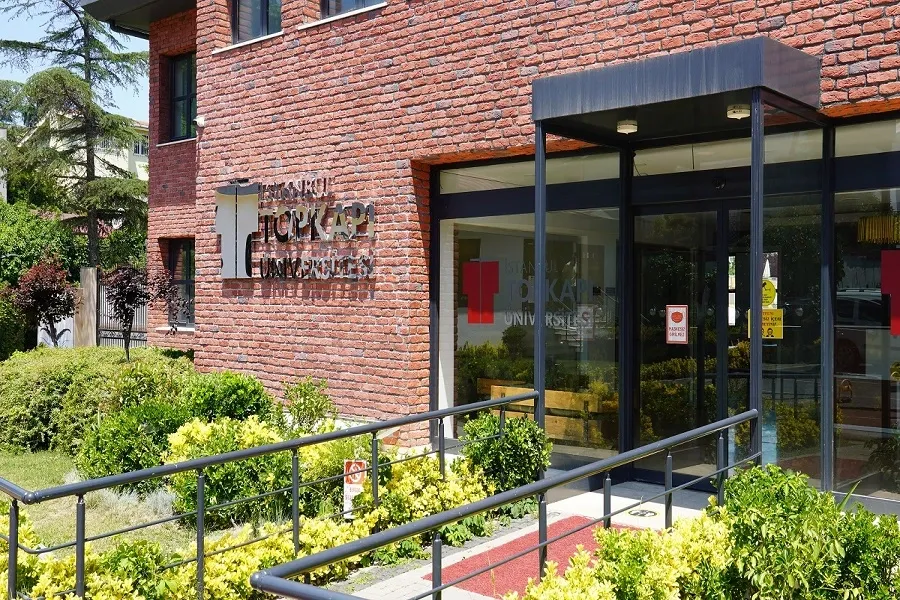
Fees are the universities' published base amounts before any scholarship; master's fees at Bahçeşehir cover the whole programme. Topkapı also lists a History bachelor's in Turkish but does not currently publish a fee table, so it is not priced here.
What a History degree costs in total
At 2026/27 rates, four years of tuition come to about $16,800 at Üsküdar and $48,000 at Bilgi. Universities reset fees every year, so later years may cost more than the first.
Language preparation can add a fifth year. Üsküdar's 2026/27 table lists its Turkish course (levels A1–B2) at $1,500 per term, while English preparatory fees vary by university and should be read from the same fee list as the programme.
Outside tuition, plan for housing, the residence-permit card, health insurance and translations of school documents. A Bahçeşehir master's is priced per programme: $14,000 with a thesis or $12,000 without one.
Careers and further study
History graduates rarely have a single job title waiting for them; the degree builds research, writing and evidence-handling skills that transfer. Typical first roles include:
- museum, archive and library assistant, collections documentation, heritage-site interpretation;
- research assistant at a university centre, think tank or documentary production company;
- editorial and fact-checking work in publishing and media;
- cultural tourism, especially where Russian, English and Turkish are all needed;
- teaching in private or international schools, and a master's or PhD for an academic path.
School teaching usually needs more than the degree. Teaching posts in Turkish state schools are civil-service positions filled through national procedures, and many CIS ministries require a separate pedagogical qualification, so check the rules of the country where you intend to teach before relying on this route.
Is this program right for you?
It clicks if you…
- You enjoy reading long texts and arguing from evidence rather than memorising dates.
- You want to work with Ottoman, Turkish or regional sources that are hard to reach from home.
- You are prepared to write every week and to have your drafts criticised.
Consider carefully if…
- You need a degree that leads straight to a licensed profession.
- You are not ready to reach B2 Turkish or a strong English level before the second year.
How to apply for History in Turkey
- 9–12 months before the intake: choose the language track and book an English test if you need one; TOEFL Home Edition and IELTS are not accepted everywhere, so check the list first.
- Autumn to spring: collect transcripts and a passport copy and apply through each university's international portal. Private universities usually review applications on a rolling basis.
- After the offer: pay the deposit set by the university, receive the official acceptance letter and apply for a student visa at the Turkish consulate.
- On arrival: register with original documents and translations, start the equivalence procedure and apply for the residence permit.
FAQ about the program
Yes. Bilgi University teaches its History bachelor's in English ($12,000 a year in 2026/27), and Bahçeşehir offers a thesis master's with an English option. Most other History programmes at private universities are taught in Turkish.
Usually not at private universities, which decide on your school grades. A good SAT or TR-YÖS score can still strengthen a borderline application, and Bilgi accepts SAT reports sent with its institution code.
Private universities assess it against their own minimum grades, and many accept it. After admission you still need the equivalence certificate from the Turkish Ministry of National Education to complete registration.
In many Turkish-taught History departments Ottoman Turkish is part of the core programme, because it is the key to archival sources. English-taught programmes usually treat it as an elective, so check the course catalogue of the specific university.
At 2026/27 prices tuition totals roughly $16,800 at Üsküdar and $48,000 at Bilgi, before any preparatory year and living costs. Fees are revised every year.
Bahçeşehir lists History master's programmes with and without a thesis for 2026/27. Graduates also move into museum studies, international relations or cultural heritage master's programmes in Turkey or elsewhere in Europe.
Ready to study History in Turkey?
During the free initial consultation, we clarify your goal, profile, timing, and budget and identify the next realistic step. A personal strategy, requirement checks, selection of agreed options, document preparation, applications, and support are provided under an agreement with StudyU. Each university decides admission, and the migration authorities decide the residence permit.
Official sources
- YÖK Atlas: official program catalogue — program availability, institution and stated language of instruction. International quotas and tuition require the university's own current source.
- YÖK: official international-student information — the official university search route and general international-student guidance. The chosen university still owns its admission requirements.
- ÖSYM: official TR-YÖS exam (2026) — the official calendar and application route for TR-YÖS/1 in 2026. Each university publishes whether the result is required for the selected program.
Also checked on 29 September 2026 on the institutions’ own sites:
- Üsküdar University: 2026-2027 programmes and tuition (international.uskudar.edu.tr) — History bachelor's fee and duration for 2026/27, plus the Turkish language course price.
- İstanbul Bilgi University: 2026-2027 undergraduate tuition (PDF) (bilgi.edu.tr) — annual fee and English medium of instruction for the History bachelor's.
- İstanbul Bilgi University: admission requirements (bilgi.edu.tr) — required documents, SAT code and English exemption scores.
- Bahçeşehir University: 2026-2027 tuition fees (int.bau.edu.tr) — whole-programme fees for thesis and non-thesis master's degrees.
- Bahçeşehir University: language proficiency scores (int.bau.edu.tr) — Turkish B2 requirement and accepted English tests.
Each fee applies to the academic year shown; the university confirms the amount in its offer letter.
Updated:
