
Studying philosophy in Turkey: the short answer
Philosophy in Turkey is a four-year bachelor's in a faculty of humanities and social sciences, covering logic, ethics, epistemology, metaphysics and the history of Western and Islamic philosophy. Üsküdar University teaches it in Turkish for $4 200 a year (2026–27) and publishes whole-programme master's fees of $4 400–$4 800; Topkapı University lists an English-taught option, for which you should request the 2026–27 fee. The degree suits students who enjoy argument and writing and plan to use those skills in research, teaching, law, publishing or policy.
| Question | Answer |
|---|---|
| Degree and length | Bachelor's, 4 years; master's 1.5–2 years |
| Teaching language | Turkish at Üsküdar; English at Topkapı |
| Selection | School results; no portfolio or audition |
| Published tuition, 2026–27 | $4 200 a year at Üsküdar; master's $4 400 (non-thesis) or $4 800 (thesis) for the whole programme |
| Main skills | Close reading, logical analysis, argumentative writing, ethics |
| Typical next step | Master’s or PhD, law school abroad, teaching certification, publishing or policy work |
Many Turkish philosophy curricula teach the history of philosophy in the Islamic world alongside the Western canon, which suits students who want a comparative perspective.
What you study
The first year builds tools: logic, introductory texts and academic writing. The middle years work through the history of philosophy period by period and the main systematic fields. In the final year, students choose seminars and write a research paper under supervision, which is the best preparation for graduate study.
- Introduction to philosophy
- Logic I
- Ancient Greek philosophy
- Academic reading and writing
- Medieval and Islamic philosophy
- Epistemology
- Ethics
- Logic II
- Modern philosophy: Descartes to Kant
- Philosophy of science
- Political philosophy
- Philosophy of mind or language
- Contemporary philosophy
- Aesthetics or philosophy of religion
- Seminars in chosen fields
- Graduation research paper
A good fit if you
- read long texts with pleasure and like to argue carefully;
- plan to continue to a master’s or a professional degree;
- want strong writing skills that transfer to many careers.
Consider another route if you
- need a direct vocational qualification at graduation;
- dislike writing essays, which make up most assessment;
- expect well-paid jobs without further study or specialisation.
Entry requirements for international applicants
Admission to philosophy at private universities is based on school results, so the application is straightforward.
- School certificate and transcript. Humanities and language grades carry weight. The Ministry of National Education issues the equivalence certificate (denklik) after admission.
- Exam scores. SAT or TR-YÖS are usually optional at private universities and can support scholarship requests.
- Language. Turkish-taught programmes ask for a Turkish certificate or preparatory year; English-taught ones ask for an accepted English score or the university’s exam.
- Master’s applicants. A bachelor’s in philosophy or a related humanities field, a writing sample or statement of purpose, and sometimes ALES and an interview.
The university decides admission; the Presidency of Migration Management decides the student residence permit.
How to choose a philosophy department
Small departments differ a lot; look at the people rather than the brochure.
| What to check | Why it matters |
|---|---|
| Faculty research areas | Supervisors shape your final paper and graduate applications |
| Language of instruction | English teaching helps if you plan graduate study abroad |
| Double major or minor options | Combining philosophy with psychology, law or political science widens job options |
| Seminar size | Small seminars mean more discussion and feedback on writing |
| Graduate programmes in-house | A master’s at the same university can be a smooth next step |
Because tuition for Turkish-taught humanities is comparatively low, the preparatory year often decides the total budget: plan one extra year if your Turkish or English is below the entry level.
Universities offering Philosophy
Bachelor's fees are annual; master's fees cover the whole programme.
| University | Degree | Language | Tuition |
|---|---|---|---|
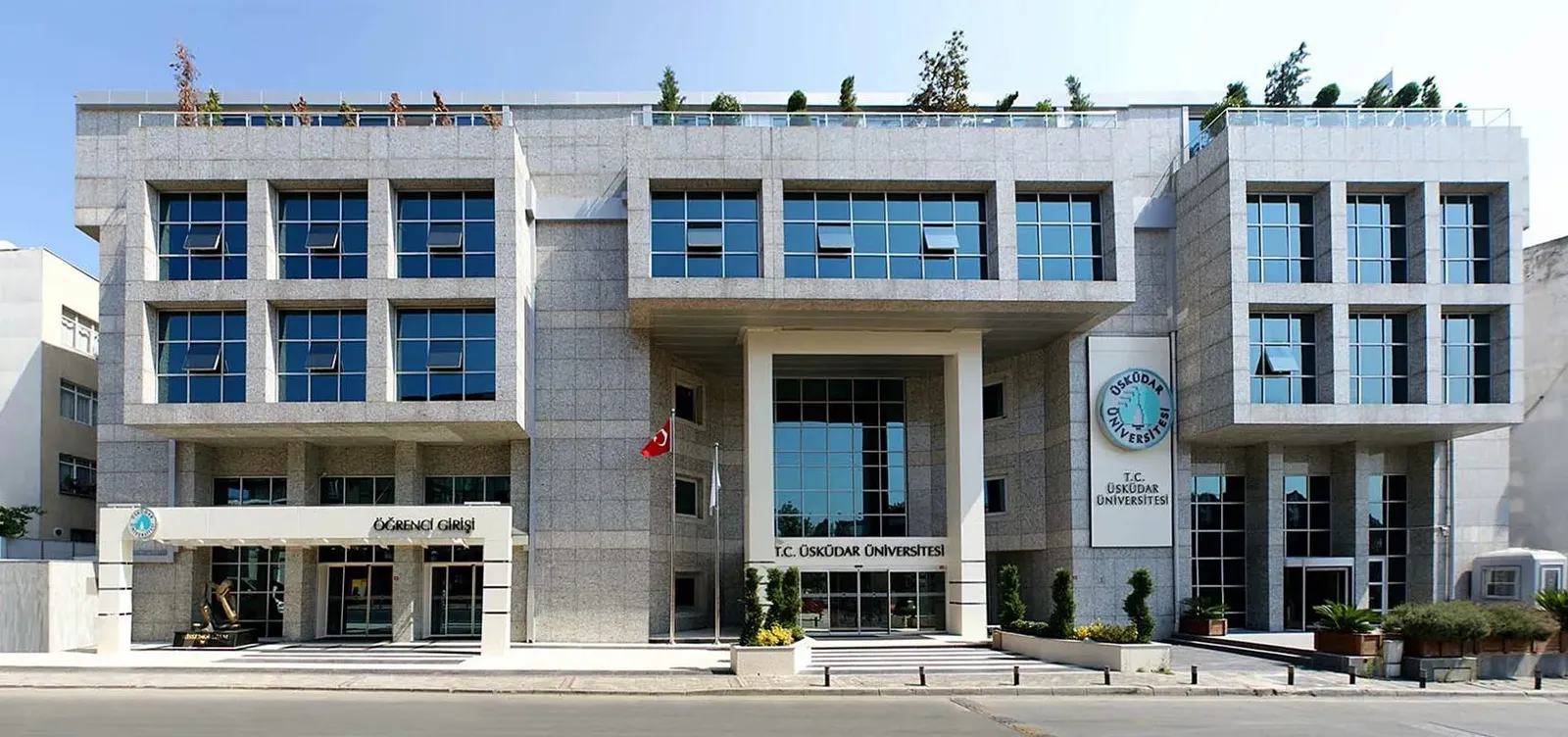
| Uskudar University | Bachelor | Turkish | $4 200/yr (2026–27) · fee source |
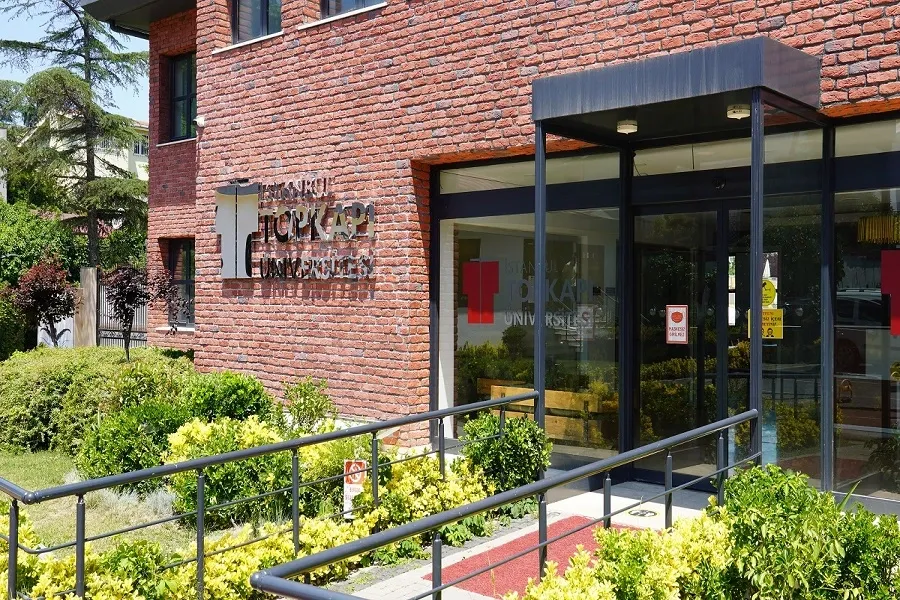
| Topkapi University | Bachelor | English | Fee on request · admissions portal (no current fee list) |
| Uskudar University | Master | Turkish | $4 800 whole programme, thesis (2026–27) · fee source · $4 400 non-thesis |
| Bahcesehir University | Master | Turkish | $14 000 whole programme, thesis (2026–27) · fee source · $12 000 non-thesis |
Üsküdar also publishes lower advance-payment prices; Bahçeşehir’s figures are its standard 2026–27 fees for all thesis and non-thesis master’s programmes. Fees were checked on 29 September 2026.
Careers after a philosophy degree
Philosophy graduates go into research and university teaching after a PhD, school teaching after a teacher-certification route, publishing and editing, journalism, NGOs and policy analysis, ethics and compliance roles, and, abroad, into law after a professional law degree. Employers value their ability to analyse arguments and write clearly more than the subject itself.
Plan the second step early. Most graduates who build careers directly in philosophy take a master’s; others combine the degree with a minor in psychology, political science or computer science to reach applied fields such as UX research or AI ethics. Foreign graduates who want to work in Turkey need a work permit.
Philosophy in Turkey: questions applicants ask
Topkapı University lists an English-taught philosophy bachelor’s; request its 2026–27 fee. Üsküdar teaches the programme in Turkish.
Üsküdar lists $4 200 a year for 2026–27. Its master’s costs $4 800 with a thesis or $4 400 without one, each for the whole programme.
Research and teaching after further study, publishing, journalism, policy and NGO work, ethics and compliance roles, and law after a professional law degree abroad.
Reading philosophical texts in Turkish is demanding, so plan a full preparatory year and keep reading in Turkish during the first semesters.
Yes. Üsküdar publishes thesis and non-thesis philosophy master’s fees for 2026–27, and Bahçeşehir lists standard master’s fees for all its programmes.
Programme comparison, eligibility checks, document preparation and application follow-up are provided under an agreement with StudyU. The university decides admission.
Thinking about philosophy in Turkey?
During the free initial consultation, we clarify your goal, profile, timing, and budget and identify the next realistic step. A personal strategy, requirement checks, selection of agreed options, document preparation, applications, and support are provided under an agreement with StudyU.
Official sources
- YÖK Atlas: official program catalogue — program availability, institution and stated language of instruction. International quotas and tuition require the university's own current source.
- YÖK: official international-student information — the official university search route and general international-student guidance. The chosen university still owns its admission requirements.
- ÖSYM: official TR-YÖS exam (2026) — the official calendar and application route for TR-YÖS/1 in 2026. Each university publishes whether the result is required for the selected program.
Tuition figures come from the universities’ own fee lists for international students: Üsküdar University: 2026–2027 international tuition fees; Bahçeşehir University (BAU): 2026–2027 tuition fees; Topkapı University: admissions portal (its downloadable fee list dates from 2018–19). Where a list is available online, the fee cell in the table links to it. All fees are published in US dollars, so no currency conversion was applied. Fees were checked on 29 September 2026; confirm language, curriculum, quota and tuition with the university for your intake before paying.
Updated:
