
Social Work in Turkey: the short answer
Social Work in Turkey (Sosyal Hizmet) is a four-year bachelor's taught in Turkish, usually in a faculty of health sciences, that prepares professional social workers through theory, social policy and long supervised field placements. Published bachelor's fees on this page run from $3,500 to $4,958 a year, with 2026/27-labelled lists between $4,000 and $4,500, and Üsküdar also offers a master's with or without a thesis.
The same Turkish degree appears in English under two names: some universities translate Sosyal Hizmet as Social Work, others as Social Services. Both are four-year bachelor's programmes; do not confuse them with the two-year associate programme Sosyal Hizmetler, which trains assistant staff rather than social workers.
Social work in Turkey is closely tied to hospitals, schools, municipalities, child-protection services and migration NGOs. Because casework is done with Turkish-speaking clients, a strong command of Turkish is essential by the time placements begin.
What you study, year by year
- Introduction to social work
- Sociology and psychology
- Human behaviour and the social environment
- Turkish academic language support where needed
- Social work theories and ethics
- Social policy and social security
- Child, family and youth services
- Communication and interviewing skills
- Social work with individuals, groups and communities
- Medical and psychiatric social work
- Migration, disability and elderly care
- First supervised field placement
- Full-semester or year-long field practice
- Case management and report writing
- Research methods and graduation project
- Electives such as addiction, forensic or school social work
The final-year placement is the core of the degree. Ask which agencies the department works with, how many days a week you spend there and whether a qualified social worker supervises you on site.
Entry requirements for international applicants
- School-leaving certificate and transcript above the university's minimum; Üsküdar lists 3 out of 5 for Russian, Kazakh, Tajik and Turkmen attestats.
- Turkish proficiency, typically B2 from a university TÖMER or the Yunus Emre Institute for undergraduate entry, or a pass in the university's Turkish exam; otherwise a one-year Turkish preparatory programme.
- Passport and translated documents; the high-school equivalence certificate (denklik) is obtained through a Turkish embassy or, in Turkey, a provincial directorate of the Ministry of National Education.
- For master's entry, a bachelor's diploma, transcript and the university's Turkish requirement for a Turkish-taught programme.
Diplomas earned through distance education are a known problem: İstinye does not accept them for international quotas, and Üsküdar notes they cannot receive the equivalence certificate. If your school years were partly online, check this before paying any deposit.
Application steps and timing
- A year or more before. Start Turkish seriously; placements with Turkish-speaking clients need a solid level by the third year.
- Six to nine months before. Collect school documents and confirm that your diploma was not earned through distance education.
- Application. Apply online; the university decides admission.
- After acceptance. Pay the deposit shown in the letter and apply for a student visa; the consulate decides.
- On arrival. Register, take the Turkish placement test, obtain denklik and apply for the residence permit, which the migration authority decides.
How to compare social work departments
- Placement network. Hospitals, municipalities, family and social services units, schools and NGOs should all appear on the list.
- Supervision. Ask how many field supervisors are qualified social workers and how often academic staff visit placements.
- Staff background. A department with lecturers holding social work degrees, not only sociology or psychology, teaches practice better.
- Specialisms. Medical social work, child protection, migration and addiction are strong areas at different universities.
- Graduate route. Üsküdar runs thesis and non-thesis master's programmes in social work.
Universities and published tuition
The table shows published base tuition for four-year Sosyal Hizmet programmes, whichever English title the university uses, plus graduate options.
| University | Programme as listed | Degree | Language | Published tuition | Fee year and basis |
|---|---|---|---|---|---|
| Gelisim University | Social Work (Turkish) | Bachelor | Turkish | $3,500/yr | 2025/26 list, latest published · per year |
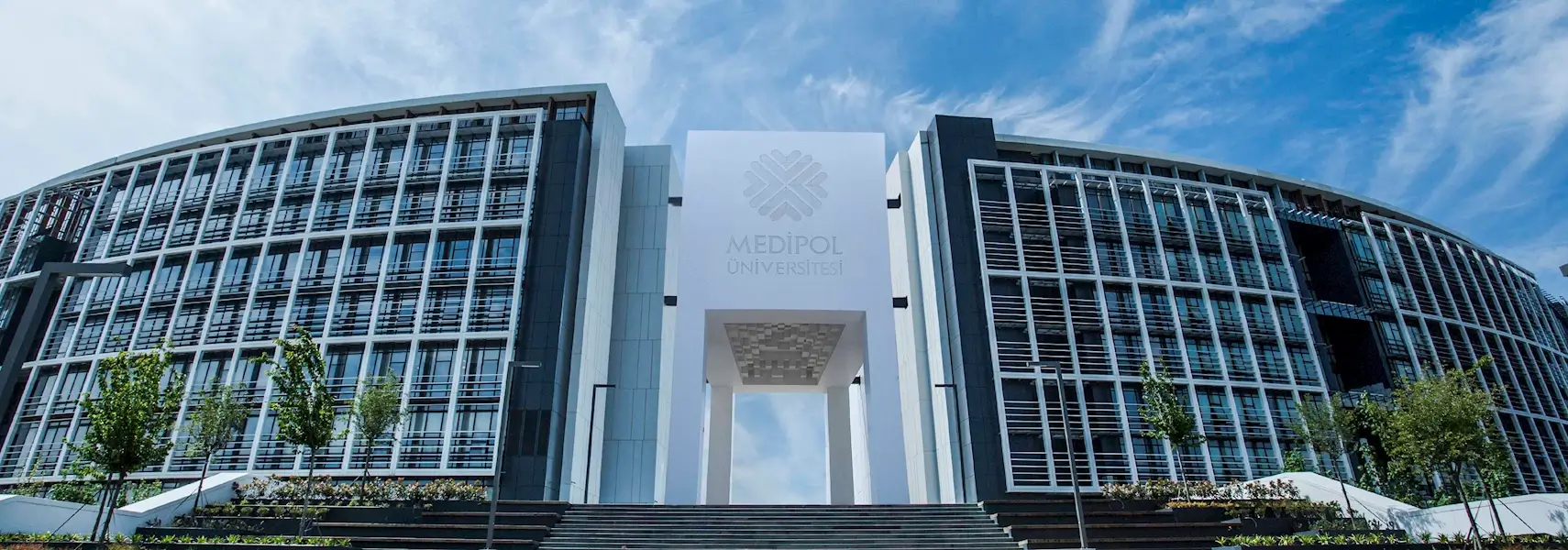
| Medipol University | Social Services (Haliç campus college) | Bachelor | Turkish | $4,000/yr | 2026/27 · per year |
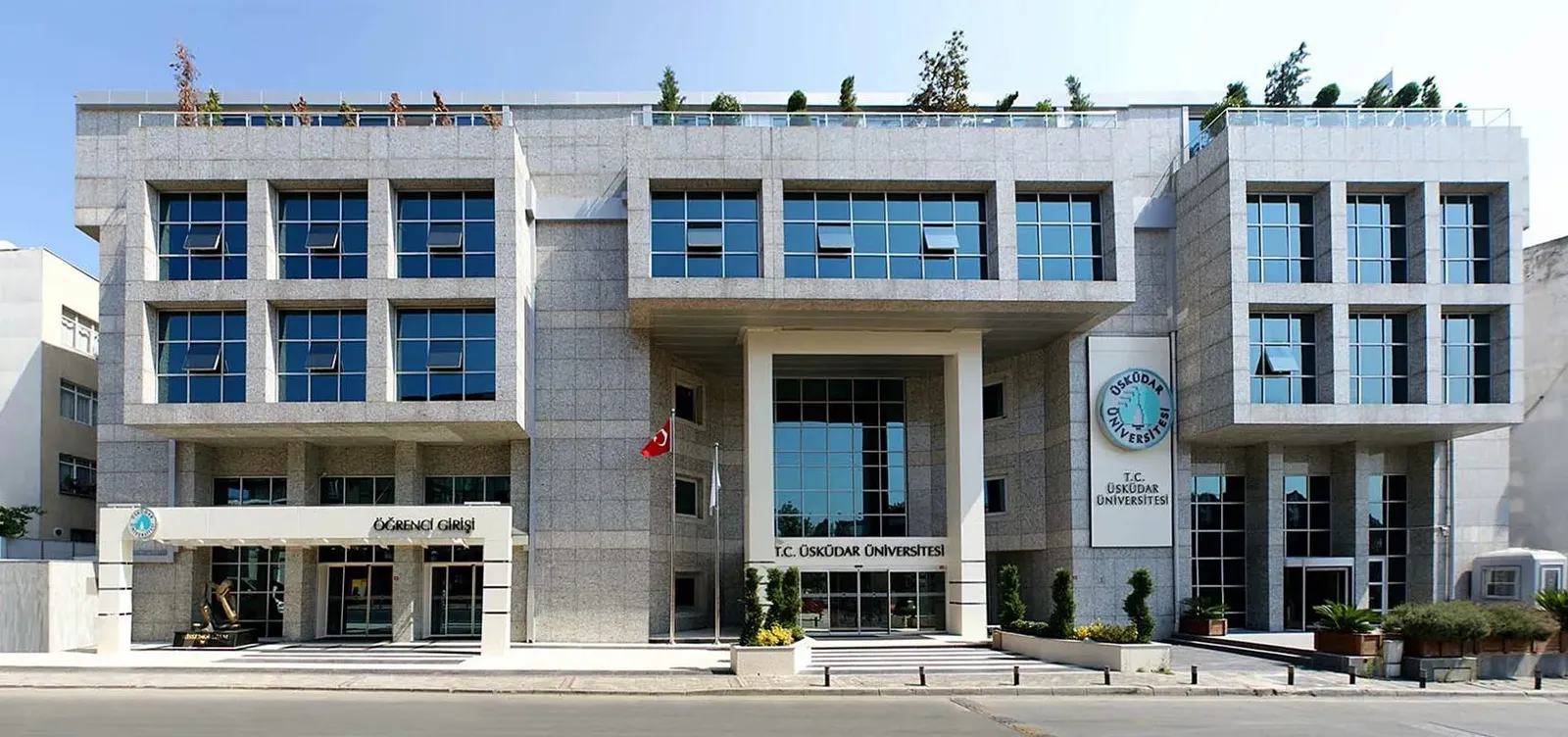
| Uskudar University | Social Work (Turkish) | Bachelor | Turkish | $4,200/yr | 2026/27 · per year |
| Medipol University | Social Services (School of Health Sciences) | Bachelor | Turkish | $4,500/yr | 2026/27 · per year |
| Nisantasi University | Social Services | Bachelor | Turkish | $4,958/yr | Year not stated · list fee per year |
| Uskudar University | Social Work (non-thesis) | Master | Turkish | $4,400 | 2026/27 · full programme |
| Uskudar University | Social Work (thesis) | Master | Turkish | $4,800 | 2026/27 · full programme |
Sources: İstanbul Gelişim University, İstanbul Medipol University, Üsküdar University, Nişantaşı University. Medipol lists two Social Services bachelor's programmes at different fees, one in its School of Health Sciences and one in its college on the Haliç campus.
Tuition does not cover a Turkish preparatory year, transport to placement sites, housing, insurance or the residence permit.
Careers and professional recognition
Social workers work in hospitals and psychiatric services, child-protection and family services, schools, prisons and probation, elderly and disability care, municipalities, and humanitarian and migration organisations. International organisations and NGOs working with refugees in Turkey value graduates who speak Turkish, Arabic, Persian, Russian or other community languages.
Many public social-work posts in Turkey are filled through national civil-service recruitment, so international graduates more often join NGOs, private care providers or return home. If you plan to practise abroad, check how the social-work regulator in that country assesses foreign degrees and field-practice hours; keep your placement records and supervisor evaluations.
Who this programme suits
A strong fit if you…
- you want to work directly with people facing hardship and can keep professional boundaries;
- you are ready to study and work in Turkish;
- you are interested in social policy as well as individual cases;
- you can handle long placements and detailed case documentation.
Think twice if…
- you prefer an academic, theory-only degree (consider Sociology);
- you want a clinical therapy role (consider Psychology or Psychological Counselling);
- you are not ready to learn Turkish to a working level.
Plan your Social Work application
During the free initial consultation, we clarify your goal, profile, timing, and budget and identify the next realistic step. A personal strategy, requirement checks, selection of agreed options, document preparation, applications, and support are provided under an agreement with StudyU. The university makes the admission decision, and the migration authority decides the residence permit.
Frequently asked questions
The universities compared here teach social work in Turkish: Üsküdar, Gelişim, Medipol and Nişantaşı all list Turkish as the language. Field placements are with Turkish-speaking clients, so plan to reach a solid B2 level or higher.
At bachelor's level, yes in most cases: both translate the four-year Sosyal Hizmet programme. The two-year associate programme Sosyal Hizmetler is a different, shorter qualification for assistant roles.
Published bachelor's fees on this page range from $3,500 a year (Gelişim, 2025/26 list) to $4,958 a year (Nişantaşı list fee, year not stated); for 2026/27, Medipol lists $4,000 and $4,500 and Üsküdar $4,200. Üsküdar's 2026/27 master's costs $4,400 without a thesis and $4,800 with a thesis for the full programme.
Usually a passport, school-leaving certificate and transcript with translation, and proof of Turkish or a place in a preparatory programme. After admission you need the equivalence certificate for your school diploma.
That depends on your country's regulator. Many require diploma recognition, proof of supervised field hours and sometimes an exam, so check the rules before enrolling and keep your placement documentation.
Under an agreement with StudyU, we compare programmes, check your school documents and language evidence, prepare the applications and track the agreed steps. The university decides admission, and the migration authority decides the residence permit.
Official sources
- YÖK Atlas: official program catalogue — program availability, institution and stated language of instruction. International quotas and tuition require the university's own current source.
- YÖK: official international-student information — the official university search route and general international-student guidance. The chosen university still owns its admission requirements.
- ÖSYM: official TR-YÖS exam (2026) — the official calendar and application route for TR-YÖS/1 in 2026. Each university publishes whether the result is required for the selected program.
All tuition figures on this page are published by the universities in US dollars, so no currency conversion was applied. YÖK Atlas lists Sosyal Hizmet programmes and their language of instruction; the tuition sources are linked under the table.
Fields worth comparing
Updated:
