
Advertising in Turkey: the short answer
An advertising bachelor's in Turkey takes four years (plus an optional preparatory language year) and trains you to turn a brand problem into a campaign: research the audience, write the brief, develop the creative idea, plan the media and measure the result. Private universities in Istanbul teach it in English or Turkish, with published fees for international students ranging from about $3,500 to $20,000 a year.
The degree sits in a faculty of communication, not in a business school, so expect studio-style projects, agency briefs and a graduation portfolio rather than accounting or finance. Some universities run a stand-alone Advertising department; others combine it with public relations, which changes the balance of creative and corporate-communication courses.
How the advertising degree is organised
Turkish bachelor's programmes are built on 240 ECTS credits across eight semesters. In advertising, the first year covers communication theory, visual literacy and the basics of marketing; the middle years add copywriting, art direction, consumer behaviour and media planning; the final year is spent on integrated campaigns and a portfolio or graduation project.
If you are not exempt from the language requirement, you first spend up to a year in English or Turkish preparatory classes. Summer internships at agencies, in-house brand teams or media buyers are common and are often credited in the curriculum, but the number of required days varies, so read the internship directive of the faculty you choose.
- Introduction to advertising and communication
- Visual literacy and basic design
- Marketing fundamentals
- Writing for media
- Copywriting
- Consumer behaviour
- Media planning and buying
- Art direction basics
- Brand strategy
- Digital and social-media advertising
- Campaign analytics
- Agency practice or internship
- Integrated campaign project
- Portfolio development
- Advertising ethics and regulation
- Graduation project presentation
Is an advertising degree right for you?
Choose it if you…
- You enjoy writing, visual ideas and explaining why a message will work for a specific audience.
- You are comfortable presenting work and receiving blunt feedback on it.
- You want a portfolio-based career in agencies, brand teams or content studios.
Worth a pause if…
- You prefer a quantitative marketing or business degree; compare business administration or marketing instead.
- You cannot yet study in English or Turkish at university level and are not ready for a preparatory year.
Entry requirements for international applicants
Private universities in Turkey admit international students on the basis of the secondary-school certificate and transcript, or an international exam result. As an example, the criteria Istinye University applied in 2025/26 for most bachelor's programmes accept a school average of at least 50%, or instead SAT 1000, ACT 21, IB 28 or TR-YÖS 60/100. Other universities set their own thresholds, so read the criteria of each option rather than assuming a common rule.
- School certificate: applicants from Russia and CIS countries apply with the 11-year certificate and its transcript; at final registration many universities ask for an equivalence document from Türkiye's Ministry of National Education.
- Language: English-taught tracks accept recognised tests such as TOEFL iBT or IELTS, or their own placement exam; Turkish-taught tracks usually expect TÖMER or the university's Turkish exam. Without proof, you start in the preparatory year.
- Portfolio: advertising rarely requires a portfolio for admission at private universities, but a small set of ideas, posters or social-media work helps with scholarship interviews and later internships.
- Passport and photos for the application, and later a student visa and residence permit.
How to compare advertising programmes
- Department or joint programme. A stand-alone Advertising department (for example at Bahçeşehir, Kadir Has, Bilgi and Gelişim) gives more creative and media hours than a combined Public Relations and Advertising programme, such as Istinye's.
- Teaching language. English matters if you plan to work for international networks or outside Turkey; Turkish-taught options are cheaper but require Turkish good enough to write copy.
- Studios and software. Ask whether students have regular access to design, video-editing and analytics tools, not only a demonstration lab.
- Industry links. Look at student awards, agency-led courses and where recent graduates did internships.
- Quality assurance. Check the university's institutional accreditation status with YÖKAK, Turkey's higher-education quality council.
Careers after an advertising degree
Graduates usually start as junior copywriters, art directors, account executives, media planners or social-media specialists. Istanbul concentrates most of Turkey's agencies and media groups, so internships in the city are easier to arrange than in regional campuses. There is no licence for advertising work in Turkey; employers judge you on your portfolio, languages and internship record.
For international students, the practical questions are work authorisation after graduation and language: Turkish-language agencies expect native-level Turkish copy, while English-speaking roles tend to be in digital, performance or regional marketing teams. A strong English portfolio also transfers to agencies in your home country.
Universities offering Advertising
Published annual tuition for international students, with the academic year each university states.
| University | Degree | Language | Tuition (academic year) |
|---|---|---|---|
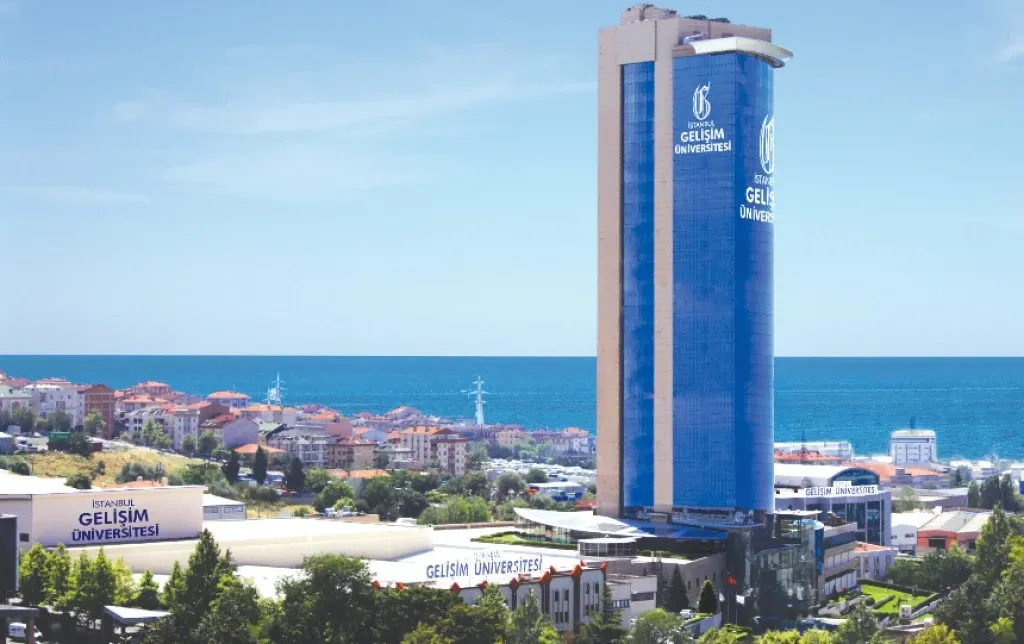
| Gelisim University | Bachelor | Turkish | $3,500/yr · 2025/26 list · official fee |
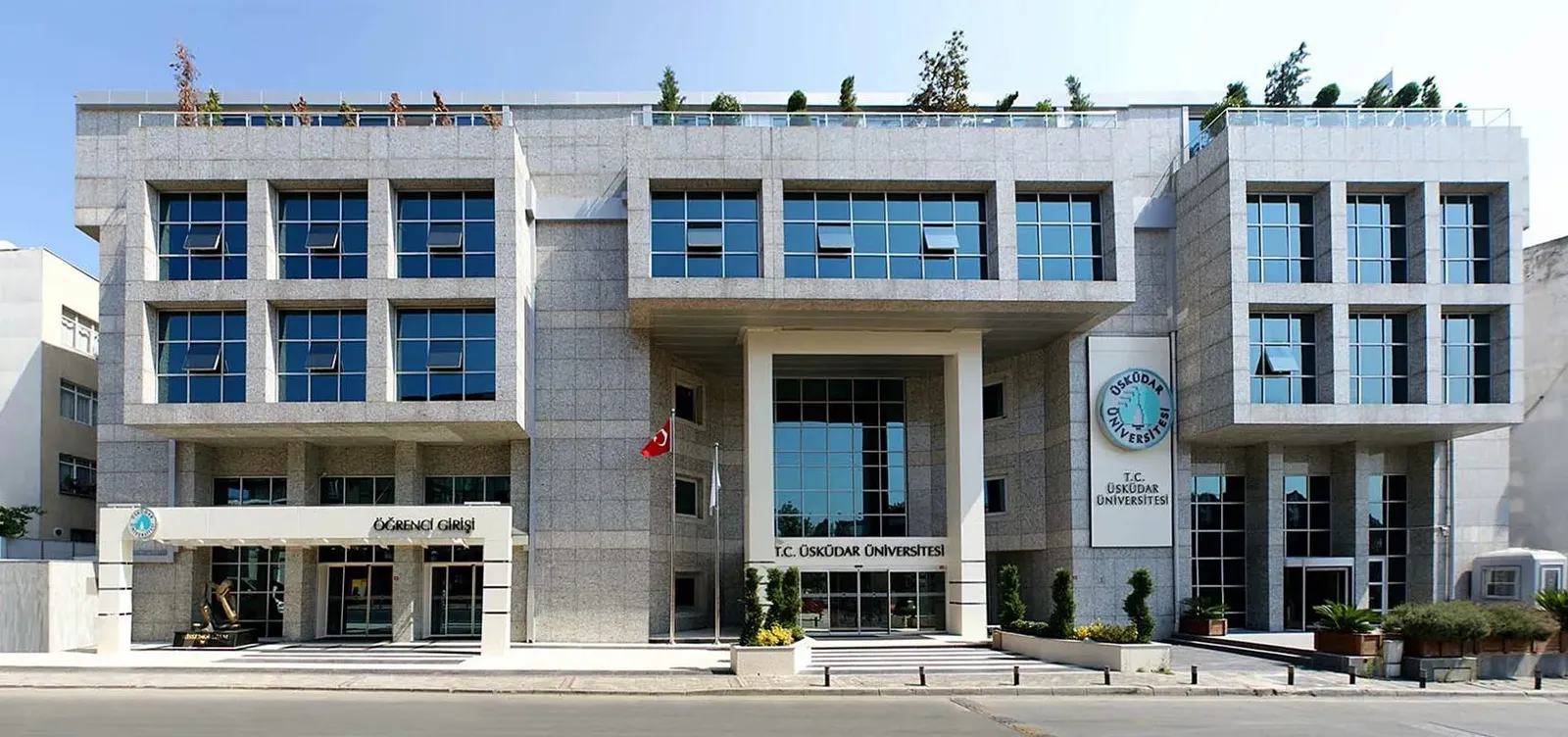
| Uskudar University | Bachelor | Turkish | $4,200/yr · 2026/27 · official fee |
| Istinye University (PR and Advertising) | Bachelor | Turkish | $7,000/yr · 2026/27 · official fee |
| Bahcesehir University | Bachelor | English | $8,500/yr · 2026/27 · official fee |
| Bilgi University | Bachelor | English | $12,000/yr · 2026/27 · official fee |
| Kadir Has University | Bachelor | English | $20,000/yr · current list · official fee |
Üsküdar lists a lower amount ($3,800) for students who pay the whole year in advance; Gelişim's latest published list is for 2025/26 and offers a $250 reduction for several nationalities, including Russia and Kazakhstan. Kadir Has and several others advertise merit scholarships, which the university awards after assessing your file.
Add living costs to tuition: dormitory or shared-flat rent in Istanbul, health insurance, the residence-permit card fee, materials for studio courses and a laptop that can run design software.
How StudyU helps advertising applicants
A personal strategy, requirement checks, selection of agreed options, document preparation, applications, and support are provided under an agreement with StudyU. For advertising we can shortlist programmes by language and budget and check each university's current criteria before you apply. The university decides admission and scholarships, Türkiye's Ministry of National Education decides school-certificate equivalence, the consulate decides the visa, the migration authority issues the residence permit, and the dormitory or landlord confirms housing.
Advertising in Turkey: frequently asked questions
Yes. Bahçeşehir, Bilgi and Kadir Has list English-taught advertising bachelor's programmes. You need an accepted English score or must pass the university's own exam; otherwise you begin with the preparatory year.
Private universities generally admit advertising students on school results or international exam scores without a portfolio. A small collection of creative work is still useful for scholarship interviews and first internships.
Published fees range from $3,500 a year (Gelişim, 2025/26 list) to $20,000 a year (Kadir Has). English-taught options usually start around $8,500 a year at Bahçeşehir for 2026/27.
A stand-alone advertising department focuses on creative strategy, copy, art direction and media. A combined programme also covers corporate communication, media relations and crisis communication, with fewer studio hours.
Internships are part of most curricula. Paid part-time work as an international student depends on Turkish work-permit rules, so check the current regulations before relying on income during your studies.
Private universities assess it under their own admission rules and often accept it for application. At registration you may be asked for an equivalence document from the Ministry of National Education, so start collecting apostilled and translated copies early.
Ready to study Advertising in Turkey?
During the free initial consultation, we clarify your goal, profile, timing, and budget and identify the next realistic step.
Official sources
- YÖK Atlas: official program catalogue — program availability, institution and stated language of instruction. International quotas and tuition require the university's own current source.
- YÖK: official international-student information — the official university search route and general international-student guidance. The chosen university still owns its admission requirements.
- ÖSYM: official TR-YÖS exam (2026) — the official calendar and application route for TR-YÖS/1 in 2026. Each university publishes whether the result is required for the selected program.
Fees and requirements on this page come from the official documents below; where a university publishes its fee list online, the link sits next to the amount in the table above.
- Üsküdar University: 2026/27 international tuition — Advertising (Turkish) $4,200 per year; advance-payment fee $3,800.
- Bahçeşehir University: 2026/27 tuition fees — School of Communication programmes $8,500 per year.
- Istinye University: 2026/27 quotas and tuition — Public Relations and Advertising (Turkish) $7,000 per year.
- Istinye University: application criteria — example thresholds for school average, SAT, ACT, IB and TR-YÖS.
- İstanbul Bilgi University: undergraduate tuition (international) — Advertising (English) $12,000 per year.
- Kadir Has University: undergraduate tuition and scholarships — undergraduate tuition $20,000 per year; no academic year is printed on the page.
- İstanbul Gelişim University: 2025/26 tuition list — Advertising (Turkish) $3,500 per year; the latest list published by the university.
- YÖKAK: Higher Education Quality Council — institutional accreditation and recognised programme accreditors.
Fees above are published by the universities in US dollars, so no conversion is applied. For readers budgeting in euros, the ECB reference rate on 29 September 2026 was €1 = $1.1355. Fees and programme lists were checked on these pages on 29 September 2026; confirm the active intake before paying a deposit.
Updated:
