
What this degree covers
A journalism bachelor's in Turkey is a four-year communication degree, usually taught in Turkish, that trains you to find, verify, write and produce news for print, broadcast and digital platforms. Üsküdar teaches it for $4,200 a year and Medipol for $4,500 (2026/27). If you need English, the closest options are new-media degrees such as Bahçeşehir's New Media ($8,500) or İstinye's New Media and Communication ($7,000).
The programme mixes theory (communication, media law and ethics, political economy of media) with newsroom practice: reporting, interviewing, editing, photojournalism, video and data journalism. Most faculties run student newspapers, radio or TV studios and online outlets where assignments are published.
Studying journalism in Turkish is a serious language commitment. Writing publishable copy requires advanced Turkish, so plan for a full preparatory year if you are starting from scratch, and be realistic about whether you want to work in Turkish-language media afterwards.
What you study
Year one lays the ground in communication theory and writing; years two and three move into reporting, editing and multimedia production; the final year centres on specialised reporting and a graduation project.
- Introduction to journalism
- Communication theory
- Writing for media
- Media law and ethics
- Photography basics
- Reporting and interviewing
- News writing and editing
- Digital journalism
- Radio and TV news
- Newsroom practice I
- Investigative journalism
- Multimedia storytelling
- Data journalism and verification
- Media management
- Newsroom practice II
- Specialised reporting (economy, culture, sport, international affairs)
- Documentary and long-form journalism
- Internship
- Graduation project or portfolio
Your portfolio matters more than grades in this field. Publish from the first year, keep links to every piece, and use internships in Istanbul newsrooms, agencies and digital outlets to build clips.
Entry requirements for international applicants
Private universities admit international students on their school record; there is no national exam requirement on this route.
- School certificate. Secondary-school diploma and transcript, with the equivalence document completed at registration.
- Turkish. Journalism at Üsküdar and Medipol is Turkish-taught, so B2 Turkish is expected. Üsküdar's Turkish course (levels A1–B2) is listed at $1,500 per term, and Medipol's Turkish foundation year at $1,390 (2026/27).
- English for new-media programmes. Bahçeşehir accepts TOEFL iBT 72, PTE 55 or Cambridge CAE grade C for undergraduate exemption and does not accept IELTS or Duolingo.
- Writing sample. Not always required, but short articles, blog posts or videos show motivation and help if a university interviews candidates.
How to choose a journalism programme
- Journalism or new media? Journalism programmes teach news production in depth; new-media and communication programmes are broader, covering content, platforms and digital strategy.
- Studios and outlets. Ask whether students publish in a real outlet, and how much time you get in TV, radio and editing studios.
- Language plan. If you will not reach advanced Turkish, an English-taught new-media degree is the safer choice.
- Internships. Check which Istanbul media organisations have taken recent students.
- Master's options. Üsküdar and Nişantaşı run New Media and Journalism master's degrees, useful if you already have a bachelor's in another field.
Universities offering Journalism
Published fees for journalism and closely related new-media programmes, with the academic year of each figure.
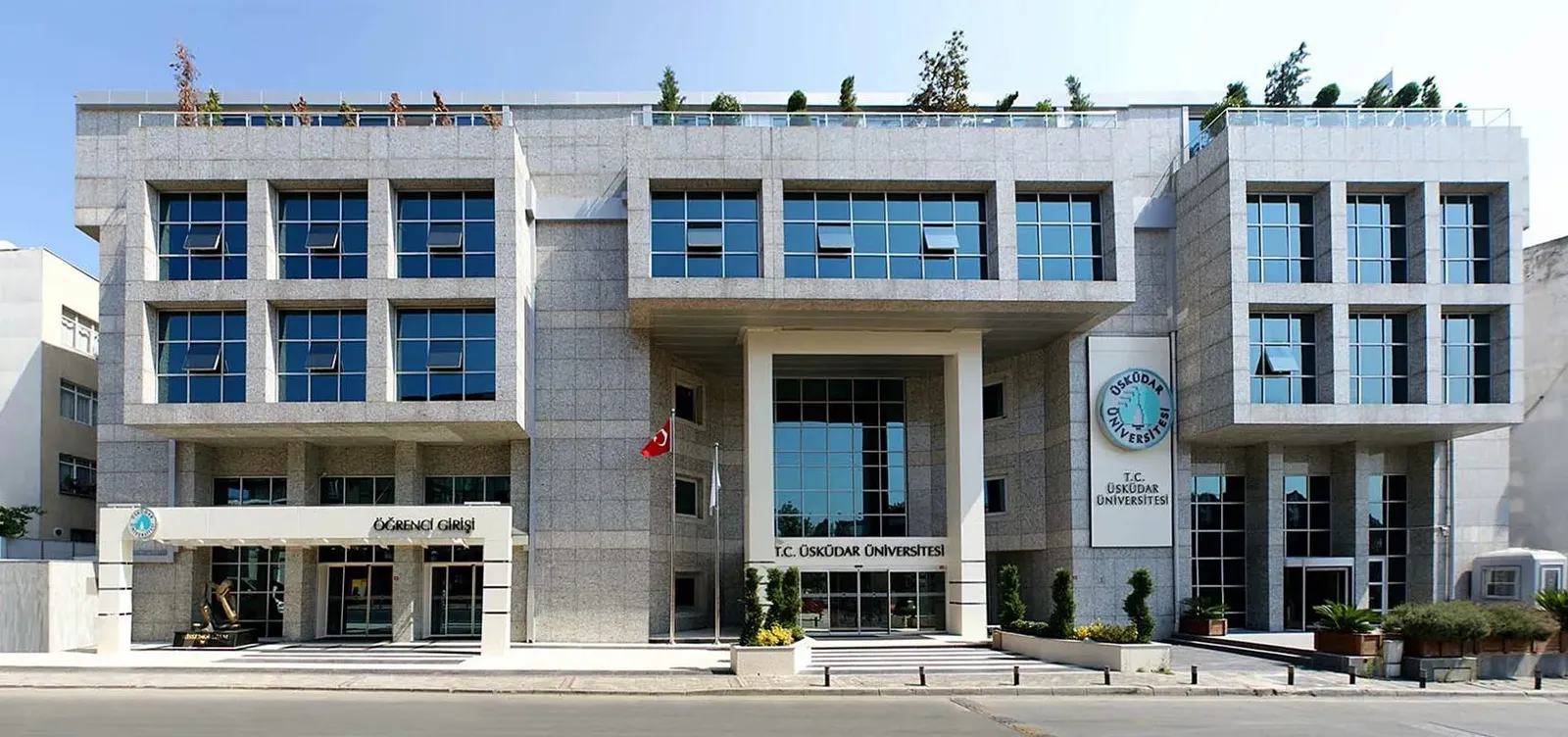
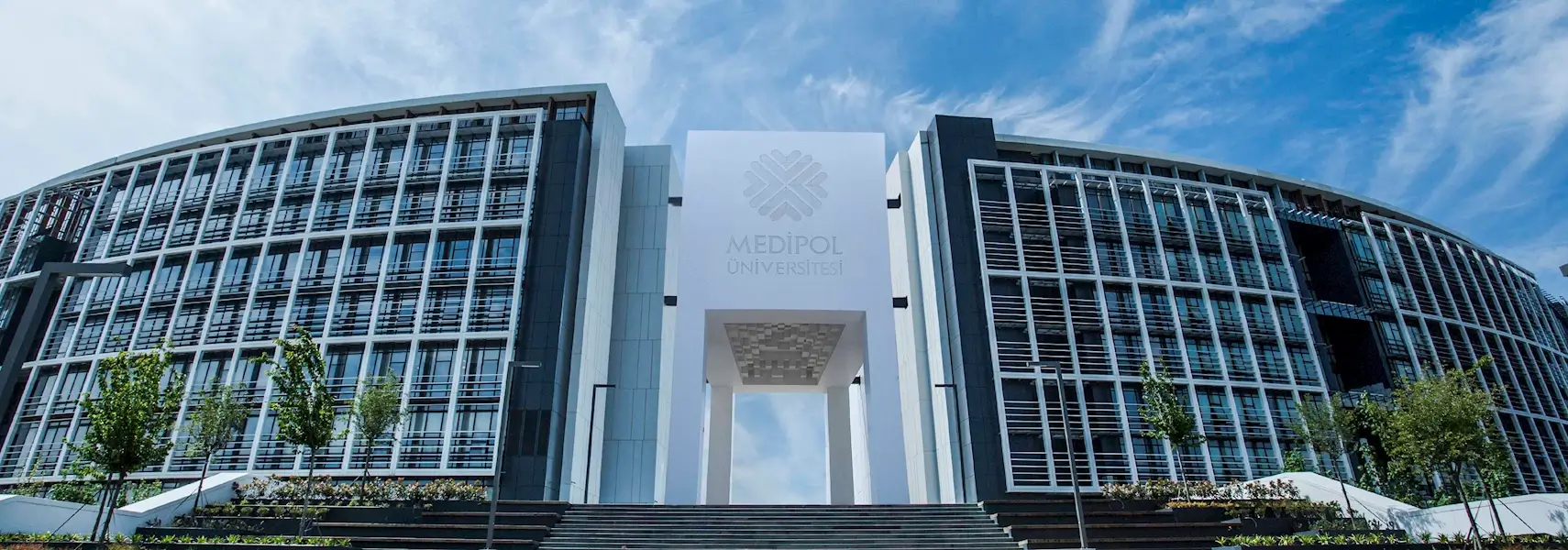
| University | Degree | Language | Tuition |
|---|---|---|---|
| Uskudar University | Bachelor | Turkish | $4,200/yr (2026/27) · fee source |
| Medipol University | Bachelor | Turkish | $4,500/yr (2026/27) · fee source |
| Yeni Yuzyil University — New Media and Journalism | Bachelor | Turkish | $5,000/yr (2026/27) · fee source |
| Istinye University — New Media and Communication | Bachelor | English | $7,000/yr (2026/27) · fee source |
| Bahcesehir University — New Media | Bachelor | English | $8,500/yr (2026/27) · fee source |
| Nisantasi University — New Media and Journalism, non-thesis | Master | Turkish | $3,300 total (year not stated) · fee source |
| Nisantasi University — New Media and Journalism, non-thesis | Master | English | $4,500 total (year not stated) · fee source |
| Uskudar University — New Media and Journalism, non-thesis | Master | Turkish | $4,400 total (2026/27) · fee source |
| Uskudar University — New Media and Journalism, thesis | Master | Turkish | $4,800 total (2026/27) · fee source |
Bachelor's fees are per year and master's fees cover the whole programme. Üsküdar and Medipol list lower amounts for payment in advance ($3,800 and $4,050 for journalism). Yeni Yüzyıl lists $2,500 with its 50% scholarship; Nişantaşı does not name the academic year.
What it costs
Four years of tuition come to about $16,800 at Üsküdar and $18,000 at Medipol at 2026/27 rates, or less if you pay each year in advance. English-taught new-media degrees cost $28,000 at İstinye and $34,000 at Bahçeşehir over four years.
Add Turkish preparation if needed, a laptop capable of video editing, and possibly a camera for your own projects, plus accommodation, transport, residence permit and insurance.
Careers after journalism
Graduates work across media and communication:
- reporter or editor for news sites, agencies, newspapers and broadcasters;
- producer or researcher for TV, documentary and podcast teams;
- social-media and digital content editor;
- fact-checker or verification specialist;
- press officer or content specialist in companies, NGOs and international organisations.
Press accreditation and freelance work in Turkey follow their own rules, and employment requires a work permit. Many international graduates work for media in their home region or for multilingual outlets, where knowledge of Turkey and the Turkish language is an asset.
Is this program right for you?
It clicks if you…
- You write easily and like asking questions.
- You follow news closely and want to explain events to others.
- You are ready to master Turkish to a professional level, or you choose an English new-media route.
Consider carefully if…
- You want a stable nine-to-five job from day one; newsrooms often work shifts and weekends.
- You are not prepared to write every week and have your work edited.
How to apply
- Nine to twelve months ahead: decide between a Turkish-taught journalism degree and an English-taught new-media degree, and plan language study accordingly.
- Application: apply online with passport, school documents and a language certificate if you have one; add samples of your writing or video work.
- Offer: pay the deposit or first instalment, receive the acceptance letter and apply for a student visa.
- Arrival: register, begin Turkish preparation if required, and apply for the residence permit.
FAQ about the program
The verified journalism bachelor's programmes at Üsküdar and Medipol are Turkish-taught. For English, look at new-media degrees such as Bahçeşehir's New Media or İstinye's New Media and Communication, or Nişantaşı's English non-thesis master's in New Media and Journalism.
Üsküdar charges $4,200 a year and Medipol $4,500 a year in 2026/27, with lower amounts for payment in advance.
You need B2 Turkish to begin a Turkish-taught programme. Without it, you first take a preparatory year or language course.
Not strictly, but the degree gives structured training, studio access, internships and a portfolio, which make the first job easier to get.
Yes. Üsküdar's New Media and Journalism master's costs $4,400 without a thesis and $4,800 with one for the whole programme (2026/27).
A laptop that can run photo and video editing software is enough at the start; universities provide studios and professional cameras for coursework.
Planning to study journalism or new media in Turkey?
During the free initial consultation, we clarify your goal, profile, timing, and budget and identify the next realistic step. Programme comparison, language planning, document preparation and applications are provided under an agreement with StudyU; the university decides admission, and the migration authorities decide the residence permit.
Official sources
- YÖK Atlas: official program catalogue — program availability, institution and stated language of instruction. International quotas and tuition require the university's own current source.
- YÖK: official international-student information — the official university search route and general international-student guidance. The chosen university still owns its admission requirements.
- ÖSYM: official TR-YÖS exam (2026) — the official calendar and application route for TR-YÖS/1 in 2026. Each university publishes whether the result is required for the selected program.
Also checked on 29 September 2026 on the institutions’ own sites:
- Üsküdar University: 2026-2027 programmes and tuition (international.uskudar.edu.tr) — journalism bachelor's and New Media and Journalism master's fees, advance-payment amounts, Turkish course fee.
- İstanbul Medipol University: 2026-2027 tuition list (PDF) (mio.medipol.edu.tr) — journalism fee and Turkish foundation fee.
- İstinye University: 2026-2027 quotas and tuition (international.istinye.edu.tr) — New Media and Communication (English) fee.
- Bahçeşehir University: 2026-2027 tuition fees (int.bau.edu.tr) — School of Communication annual fee.
- Bahçeşehir University: programmes (int.bau.edu.tr) — New Media taught in English.
- Bahçeşehir University: language proficiency (int.bau.edu.tr) — undergraduate English scores and tests not accepted.
- İstanbul Yeni Yüzyıl University: 2026-2027 tuition (PDF) (international.yeniyuzyil.edu.tr) — New Media and Journalism fee and 50% scholarship rate.
- Nişantaşı University: application portal (apply.nisantasi.edu.tr) — New Media and Journalism master's fees.
Fees are in US dollars as published for the academic year shown; the offer letter confirms the amount.
Updated:
