
Avionics in Turkey: the short answer
Avionics (in Turkish, Havacılık Elektrik ve Elektroniği) is a four-year bachelor's that trains you to maintain and repair the electrical, electronic, instrument, navigation and communication systems of aircraft. It prepares for the B2 category of Türkiye's SHY-66 aircraft maintenance licence issued by SHGM. The programmes listed here are Turkish-taught, at $3,250 a year (Nişantaşı) and $3,500 a year (Gelişim, 2025/26 list).
Avionics is the electronics counterpart of aircraft maintenance and repair, which targets the mechanical B1 category. Both degrees are licence-oriented technician education, not electrical engineering; if you want to design avionics hardware, an electrical-electronics or aeronautical engineering degree is the better route.
What you study
The course starts with mathematics, physics, electrical fundamentals and electronic fundamentals, then moves to digital techniques and electronic instrument systems, aircraft electrical power, radio and navigation systems, autopilot and flight management, and data buses. Parallel modules in materials and hardware, maintenance practices, human factors and aviation legislation follow the knowledge areas used for licensing.
Practical sessions take place in avionics workshops with test equipment, wiring harnesses, connectors and avionics benches. Internships at airline technical departments and maintenance, repair and overhaul organisations count heavily, because licence experience must be gained in approved environments.
- Mathematics and physics
- Electrical fundamentals
- Technical drawing
- Aviation English
- Electronic fundamentals
- Digital techniques
- Materials and hardware
- Maintenance practices
- Aircraft electrical power systems
- Instruments and navigation systems
- Communication systems
- MRO internship
- Autopilot and flight management
- Aviation legislation and human factors
- Troubleshooting practice
- Graduation project
Applicants often confuse three neighbouring programmes. Aircraft Maintenance and Repair targets mechanical (B1) work, Avionics targets electrical and electronic (B2) work, and the two-year Aircraft Technology associate degree prepares line technicians. If you are unsure which one fits, look at what you enjoyed at school: mechanics and hands-on repair point to B1, circuits and troubleshooting point to B2. Switching later is possible but usually costs extra semesters.
Who avionics suits
Choose it if you…
- You enjoy electronics, wiring diagrams and systematic troubleshooting.
- You want a licence-based technical career with airlines or maintenance organisations.
- You are careful, patient and comfortable working to documented procedures.
Worth a pause if…
- You want to design new electronic systems; engineering is the design route.
- You have colour-vision problems; distinguishing wiring colours is part of the job.
Entry requirements and health report
Nişantaşı's international brochure marks Avionics as requiring an occupational health report. Istinye's criteria for its aircraft technology programme show what such reports usually check: colour vision, hearing and eyesight, together with a record clean enough for an airport entry card.
- School documents: certificate and transcript (the 11-year certificate for Russian and CIS applicants), translations and the Ministry of National Education equivalence at registration; physics and mathematics grades matter.
- Turkish: an accepted Turkish level or a Turkish preparatory year (Nişantaşı lists TÖMER at $1,800).
- Technical English: manuals, wiring diagrams and service bulletins are in English, so build that skill alongside the degree.
- Health report: get it done before paying a deposit.
How to compare avionics programmes
- Avionics workshop: ask for the list of test equipment and whether each student works on benches every week.
- Training aircraft: access to a real aircraft or cockpit section is a clear plus.
- Approved training links: ask whether the school works with an SHY-147 approved training organisation.
- Internship partners: which airlines and MROs hosted international students recently?
- Location: campuses near Istanbul's airports simplify internships.
B2 licence and careers
SHGM defines B2 as the aircraft maintenance technician licence for avionics. To certify work on a specific aircraft, holders also need type training for that aircraft. Türkiye's licensing follows the European Part-66 model, which helps comparability, but each foreign authority decides on conversion.
Graduates work as avionics technicians, line and base maintenance staff, component-shop technicians, and in technical records and quality departments for airlines, MROs, business aviation and helicopter operators. Some move into test and calibration roles with electronics companies.
Universities offering avionics
Annual tuition published for international students.
| University | Degree | Language | Tuition (academic year) |
|---|---|---|---|
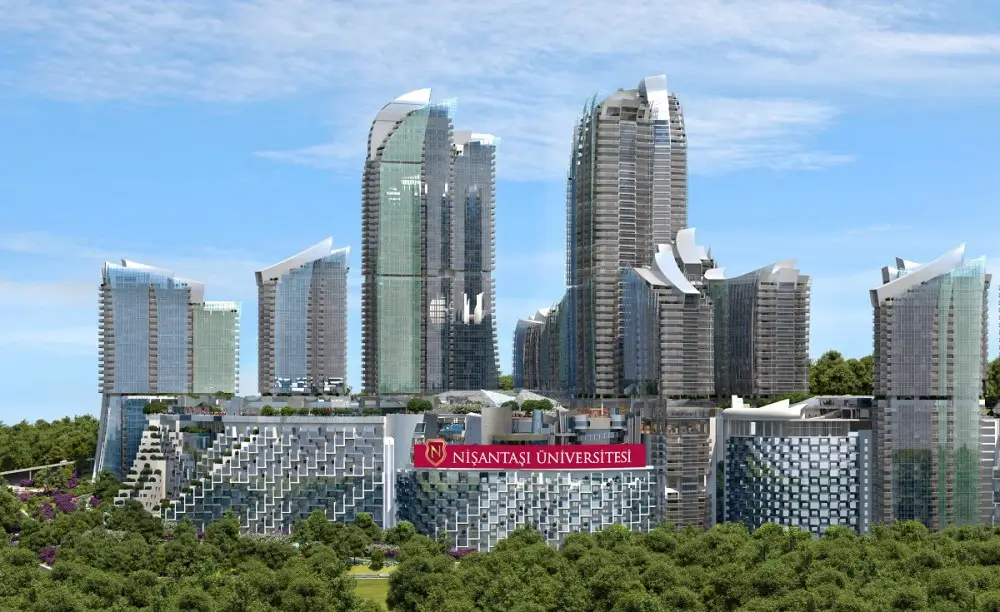
| Nisantasi University | Bachelor | Turkish | $3,250/yr · current brochure |
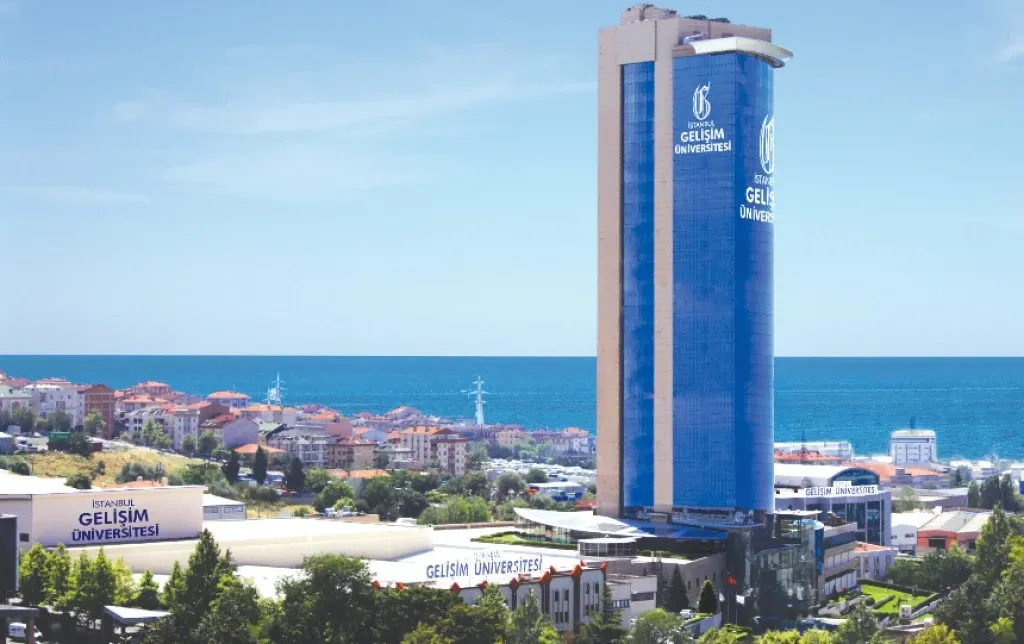
| Gelisim University | Bachelor | Turkish | $3,500/yr · 2025/26 list · official fee |
Nişantaşı's brochure (October 2025) prints no academic year, and Gelişim's latest list is for 2025/26, so check both amounts in your offer letter. Gelişim deducts 7% for advance payment.
Add the health report, work clothing, the Turkish preparatory year if needed, housing, health insurance and residence-permit fees. Type training after graduation is usually funded by employers.
How StudyU helps avionics applicants
A personal strategy, requirement checks, selection of agreed options, document preparation, applications, and support are provided under an agreement with StudyU. For avionics we can confirm the health-report and language conditions with the university and prepare your Turkish-language application file. The university decides admission and scholarships, Türkiye's Ministry of National Education decides school-certificate equivalence, the consulate decides the visa, the migration authority issues the residence permit, and the dormitory or landlord confirms housing.
Avionics in Turkey: FAQ
It prepares for the B2 (avionics) category of the SHY-66 aircraft maintenance licence issued by SHGM, subject to training, exams and experience.
No. Avionics is a technician-oriented programme focused on maintaining aircraft systems; electrical engineering focuses on designing systems.
At Nişantaşı and Gelişim it is Turkish-taught, with technical English used for manuals.
Nişantaşı lists $3,250 a year and Gelişim $3,500 a year on its 2025/26 list.
Yes. Nişantaşı requires an occupational health report for this programme; colour vision is especially important in avionics work.
Usually at airline technical departments, maintenance, repair and overhaul organisations and component shops near Istanbul's airports. Ask which organisations accepted international interns recently and whether the placement counts towards licence experience.
The programme trains maintenance technicians. To work as a design or systems engineer you would normally need an engineering bachelor's, although some graduates move into engineering support roles after gaining experience.
Ready to study Avionics in Turkey?
During the free initial consultation, we clarify your goal, profile, timing, and budget and identify the next realistic step.
Official sources
- YÖK Atlas: official program catalogue — program availability, institution and stated language of instruction. International quotas and tuition require the university's own current source.
- YÖK: official international-student information — the official university search route and general international-student guidance. The chosen university still owns its admission requirements.
- ÖSYM: official TR-YÖS exam (2026) — the official calendar and application route for TR-YÖS/1 in 2026. Each university publishes whether the result is required for the selected program.
Fees and requirements on this page come from the official documents below; where a university publishes its fee list online, the link sits next to the amount in the table above.
- SHGM: Aircraft technician licensing — SHY-66 licence; category B2 covers avionics; type training requirement.
- İstanbul Nişantaşı University: international tuition brochure — Avionics $3,250 per year; occupational health report required; TÖMER $1,800.
- İstanbul Gelişim University: 2025/26 tuition list — Avionics (Turkish) $3,500 per year.
- Istinye University: application criteria — health-report contents and record checks for aircraft technology students.
Fees above are published by the universities in US dollars, so no conversion is applied. For readers budgeting in euros, the ECB reference rate on 29 September 2026 was €1 = $1.1355. Fees and programme lists were checked on these pages on 29 September 2026; confirm the active intake before paying a deposit.
Updated:
