
Energy Systems Engineering in Turkey at a glance
Energy Systems Engineering in Turkey is a four-year, English-taught engineering bachelor’s that covers how energy is produced, converted, stored and managed, from conventional power plants to solar, wind and hydro systems. Bahçeşehir University in Istanbul lists it at $9 000 a year for 2026–27; Yaşar University in İzmir also offers the degree but does not publish a fee with an academic-year label, so ask it for a quote.
- Length: four years, plus an English preparatory year if needed.
- Core: thermodynamics, fluid mechanics, heat transfer and electrical power systems, then renewable technologies and energy management.
- Extras at Bahçeşehir: the department runs double-major and minor options, including an Energy Management minor, and a graduate programme in Energy and Environment Management.
- Entry: strong maths and physics at school, an accepted English score, and SAT, YÖS or grades depending on the university.
What the curriculum covers
The first two years are close to mechanical and electrical engineering: mathematics, physics and the thermal and electrical sciences. The last two years specialise in energy technologies, planning and economics. The sequence below is the usual one; each university’s course catalogue gives the exact courses and credits.
- Calculus and linear algebra
- Physics I–II
- General chemistry
- Introduction to energy systems and engineering drawing
- Thermodynamics
- Fluid mechanics
- Circuit analysis and electrical machines
- Materials science and differential equations
- Heat transfer
- Power systems and power electronics
- Solar and wind energy technologies
- Summer internship in a plant, utility or engineering firm
- Energy efficiency and building energy
- Energy economics and policy
- Energy storage and hydrogen electives
- Capstone design project
Two internships over the summers are typical in Turkish engineering degrees. Ask whether the university helps place international students, since some plants and utilities require Turkish.
Entry requirements for international applicants
- School certificate with good results in mathematics and physics. Holders of an 11-year certificate from Russia or other CIS countries should check eligibility for engineering before applying.
- Exams. Private universities accept school grades, SAT or YÖS results in different combinations. The 2026 TR-YÖS/1 sitting was on 12 April 2026.
- English. Bahçeşehir asks for TOEFL iBT 72, PTE Academic 55 or equivalent scores from its accepted list, and does not accept IELTS, Duolingo or TOEFL Home Edition; students without a score can sit its own proficiency exam after registration. Yaşar publishes its own list.
- After admission: the Ministry of National Education’s diploma equivalence certificate and a student residence permit.
How to compare energy engineering programmes
- Labs. Look for thermal-fluids and electrical-machines labs, solar and wind test set-ups, and energy-monitoring equipment.
- Accreditation. Engineering programmes in Turkey are accredited by MÜDEK, registered with YÖKAK and a signatory of the Washington Accord. Accreditation makes recognition of the degree abroad easier; ask for the department’s current status.
- City and industry. Istanbul has utilities, engineering consultancies and energy traders; İzmir and the Aegean region have a large wind and geothermal sector. Think about where you want your internships.
- Electives. Check whether storage, hydrogen, grid integration or energy policy are offered every year.
- Research. Ask whether undergraduates can join research projects, which helps for a master’s later.
Careers and engineering practice
Graduates work in renewable-energy developers and operators, utilities and grid companies, engineering and energy-efficiency consultancies, building-services firms, industrial plants, and energy trading and planning. Common first roles are project engineer, energy analyst, energy-efficiency engineer and field or commissioning engineer.
Engineering practice in Turkey is organised through the chambers of the Union of Chambers of Turkish Engineers and Architects (TMMOB). Foreign graduates need a work permit to work in Turkey and should check the relevant chamber’s rules before taking on design responsibilities. In other countries, a chartered or licensed engineer title is granted by the national engineering body, often after professional experience; MÜDEK accreditation can simplify that recognition.
Who this degree suits
A good fit if you…
- like physics and maths and want to apply them to real infrastructure;
- are interested in the energy transition and renewables;
- want an English-taught engineering degree at a mid-range price.
Think twice if you…
- prefer software to physical systems;
- want to avoid laboratory work and site internships;
- need a fixed published fee before choosing between the two universities.
Universities offering Energy Systems Engineering
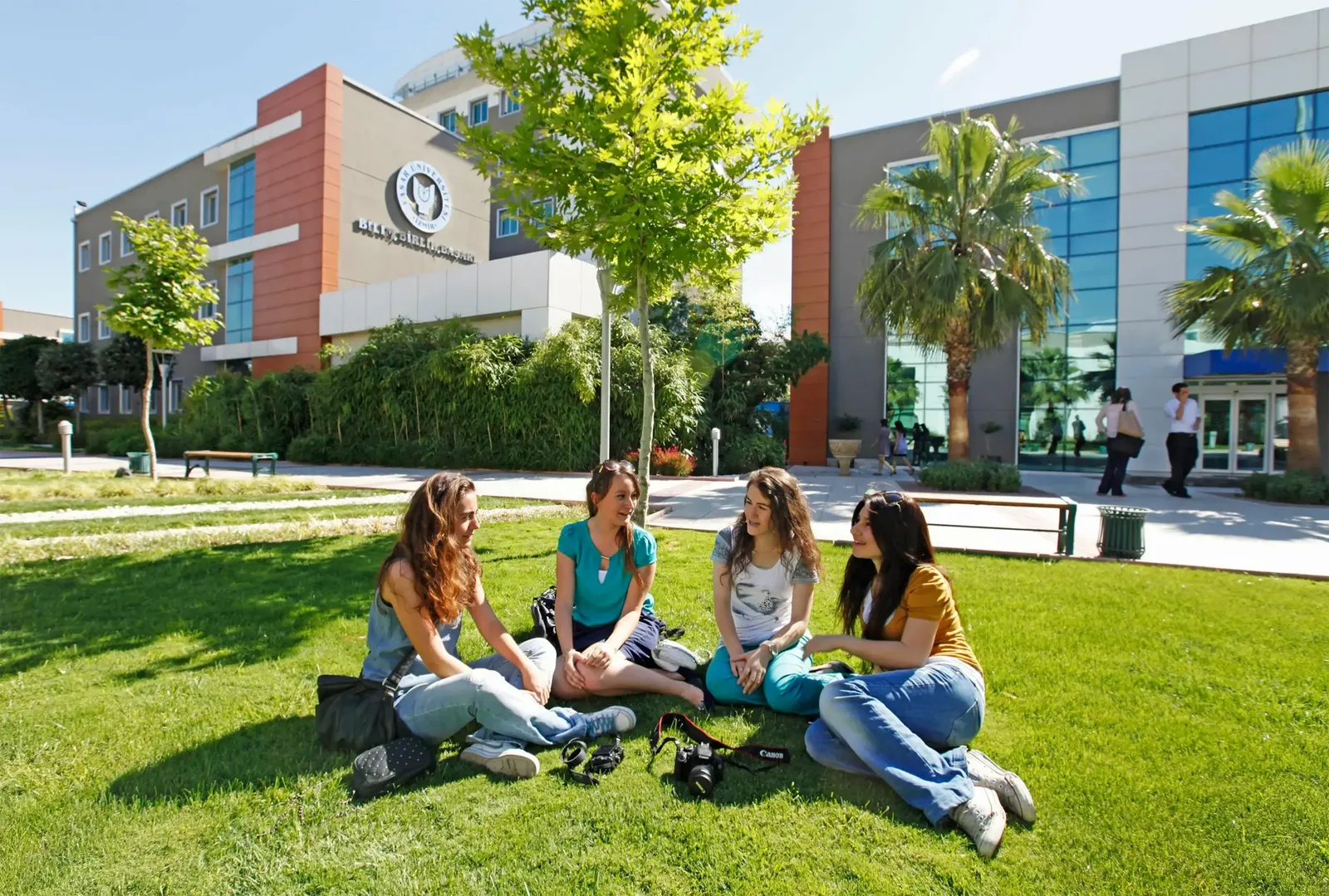
Two English-taught programmes: Yaşar in İzmir and Bahçeşehir in Istanbul.

| University | Degree | Language | Tuition |
|---|---|---|---|
| Yasar University | Bachelor | English | 2026–27 fee on request · university fee page (academic year not stated) |
| Bahcesehir University | Bachelor | English | $9 000/yr · fee source (2026–27) |
Fees are the universities’ own list prices, checked on 29 September 2026. “On request” means the university publishes no fee with a 2026–27 label; ask it for a written quote.
Budgeting for 2026–27
Bahçeşehir’s 2026–27 fee list charges $9 000 a year for its School of Engineering and Natural Sciences, which includes Energy Systems Engineering. Yaşar University’s fee page shows no academic-year label, so request a dated quote. Engineering students should also budget for a laptop that runs simulation software, and for travel to summer internships, on top of housing, health insurance and the residence permit.
Common questions
Yes, at both universities listed here: Bahçeşehir in Istanbul and Yaşar in İzmir.
Bahçeşehir lists $9 000 a year for its engineering programmes. Yaşar publishes no dated fee, so ask for a written quote.
It draws on both but focuses on energy: generation, conversion, storage, efficiency and energy economics, with courses on solar, wind and other renewables.
Bahçeşehir lists TOEFL iBT 72 and PTE Academic 55 among its accepted scores and does not take IELTS, Duolingo or TOEFL Home Edition. Its own proficiency exam is available after registration.
Engineering accreditation in Turkey is granted by MÜDEK. Ask each department for its current status, because it affects recognition of the degree abroad.
You need a work permit, and professional practice is organised through TMMOB chambers, which have their own rules for foreign engineers.
Planning to study energy systems engineering in Turkey?
A personal strategy, requirement checks, selection of agreed options, document preparation, applications, and support are provided under an agreement with StudyU. The university decides admission, the migration authority decides the residence permit, and professional bodies decide engineering titles.
Official sources
- YÖK Atlas: official program catalogue — program availability, institution and stated language of instruction. International quotas and tuition require the university's own current source.
- YÖK: official international-student information — the official university search route and general international-student guidance. The chosen university still owns its admission requirements.
- ÖSYM: official TR-YÖS exam (2026) — the official calendar and application route for TR-YÖS/1 in 2026. Each university publishes whether the result is required for the selected program.
Also checked on 29 September 2026 on the institutions’ own sites:
- BAU: language proficiency scores (int.bau.edu.tr) — accepted English tests and minimum scores by programme group.
- BAU International: programme list (int.bau.edu.tr) — Energy Systems Engineering department, double-major and minor options.
- Bahçeşehir University (BAU): 2026–27 tuition fees (int.bau.edu.tr) — fee basis and academic-year label used in the table above.
- Yaşar University: tuition and scholarships (academic year not stated) (international.yasar.edu.tr) — fee basis and academic-year label used in the table above.
- YÖKAK: accreditation agencies with active registration (yokak.gov.tr) — which national programme accreditors are currently registered.
- MÜDEK: Washington Accord membership (mudek.org.tr) — MÜDEK accredits engineering programmes in Turkey and is a Washington Accord signatory authorised to award the EUR-ACE label.
All fees are published in US dollars, so no currency conversion was applied. Confirm language, curriculum, quota and tuition with the university for your intake before paying.
Updated:
