
New Media and Journalism in Turkey: the short answer
New Media and Journalism is a four-year communication bachelor's that trains reporters and digital content producers: news writing and verification, video and audio production, data and social-media journalism, and media law and ethics. In our table Istanbul Yeni Yüzyıl University teaches it in Turkish for $5 000 a year (2026–27 normal fee), and Üsküdar University offers a Turkish-taught master's. Applicants who need English should look at closely related New Media and Communication degrees instead.
| Question | Answer |
|---|---|
| Degree and length | Bachelor's, 4 years; master's 1.5–2 years |
| Teaching language | Turkish for the programmes named New Media and Journalism; related English options exist |
| Faculty | Faculty of Communication |
| Published tuition, 2026–27 | $5 000 a year at Yeni Yüzyıl; Üsküdar's master's costs $4 400–$4 800 for the whole programme |
| Selection | School grades at most private universities; no audition or portfolio is normally required |
| Best evidence for employers | A portfolio of published stories, videos and podcasts built during the degree |
Journalism in Turkey is taught in Turkish because students report on Turkish sources, courts and institutions. If your goal is an international newsroom career, plan either to reach professional-level Turkish or to choose an English-taught communication degree and build your journalism portfolio alongside it.
What you study
Courses alternate between theory (communication, media economics, law and ethics) and production studios. Most assessment is project-based: news packages, podcasts, newsletters and social-media campaigns, often published on faculty news sites or student radio. Final-year students usually produce a graduation project such as a long-form investigation or a documentary.
- Introduction to communication and media
- News writing and reporting basics
- Turkish for media professionals
- Digital literacy and online research
- Photojournalism and video production
- Podcasting and audio storytelling
- Media law and press ethics
- Social-media platforms and audiences
- Data journalism and visualisation
- Fact-checking and verification methods
- Mobile journalism
- Internship in a newsroom, agency or brand studio
- Investigative and long-form journalism
- Media management and platform economics
- Electives: sports, economy or culture reporting
- Graduation project or documentary
A good fit if you
- write well and like finding things out;
- already publish content online and want professional editorial standards;
- are ready to work fluently in Turkish.
Consider another route if you
- need a degree taught entirely in English, where New Media and Communication programmes fit better;
- prefer marketing to reporting, in which case public relations and advertising is closer;
- want a regulated profession: journalism has no licence, so employers judge your portfolio.
Entry requirements for international applicants
Communication faculties at private universities admit mainly on school results. The file is simple, which is why the portfolio you build later matters more than the application itself.
- School certificate and transcript. The 11-year certificate is accepted by many private universities; ask the faculty to confirm. After admission the Ministry of National Education issues the equivalence certificate (denklik).
- Exams. SAT or TR-YÖS results are usually optional at private universities and required by most state universities.
- Turkish. A Turkish certificate at the level the university sets, often B2, or its one-year Turkish preparatory programme. Yeni Yüzyıl publishes a Turkish preparatory fee of $250 per level, $1 250 in total.
- Master’s applicants. A bachelor’s degree, transcript, statement of purpose and sometimes ALES or an interview; a portfolio helps even when it is not required.
The university decides admission; the Presidency of Migration Management decides the student residence permit.
How to choose a journalism or new media programme
Programme names overlap, so compare the curriculum and the newsroom experience, not the title.
| What to check | Why it matters |
|---|---|
| Student newsroom, radio or TV studio | Published work is the entry ticket to internships |
| Share of practical courses | Look for production and reporting in every year, not only in the final one |
| Internship partners | Links with news agencies, broadcasters and digital publishers open doors in Istanbul |
| Language of instruction | Journalism titles are Turkish-taught; English options usually carry a communication title |
| Graduate path | Üsküdar publishes a New Media and Journalism master’s and a PhD in New Media and Communication |
Closely related bachelor’s degrees with published 2026–27 fees, useful if you need English or a different focus:
| Programme | University | Language | Annual fee |
|---|---|---|---|
| New Media and Communication | Üsküdar | English | $4 400 · fee source |
| Journalism | Üsküdar | Turkish | $4 200 · fee source |
| New Media & Communication | Okan | Turkish | $4 500 · fee source |
| Journalism | Medipol | Turkish | $4 500 · fee source |
| New Media and Communication | İstinye | English | $7 000 · fee source |
| New Media and Communications | Bilgi | English | $12 000 · fee source |
Universities offering New Media and Journalism
Programmes titled New Media and Journalism. Bachelor's fee is annual; Üsküdar's master's fee covers the whole programme.
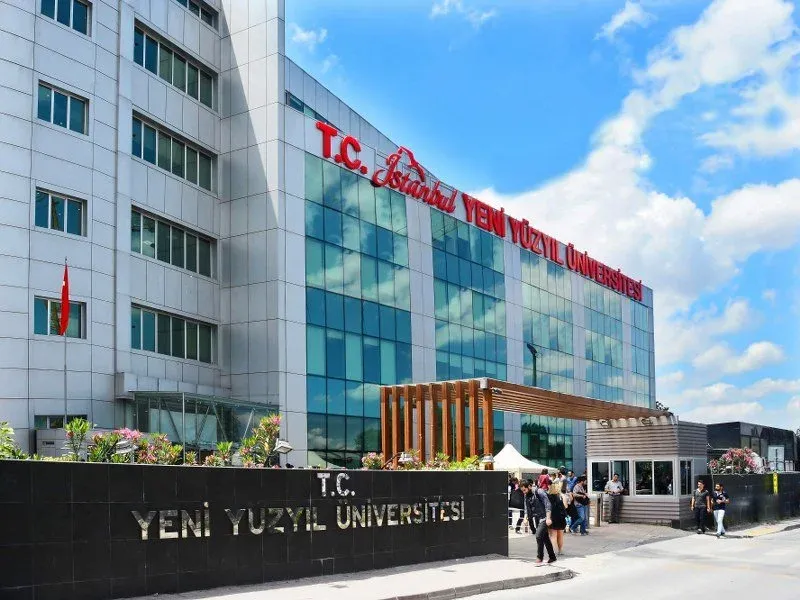
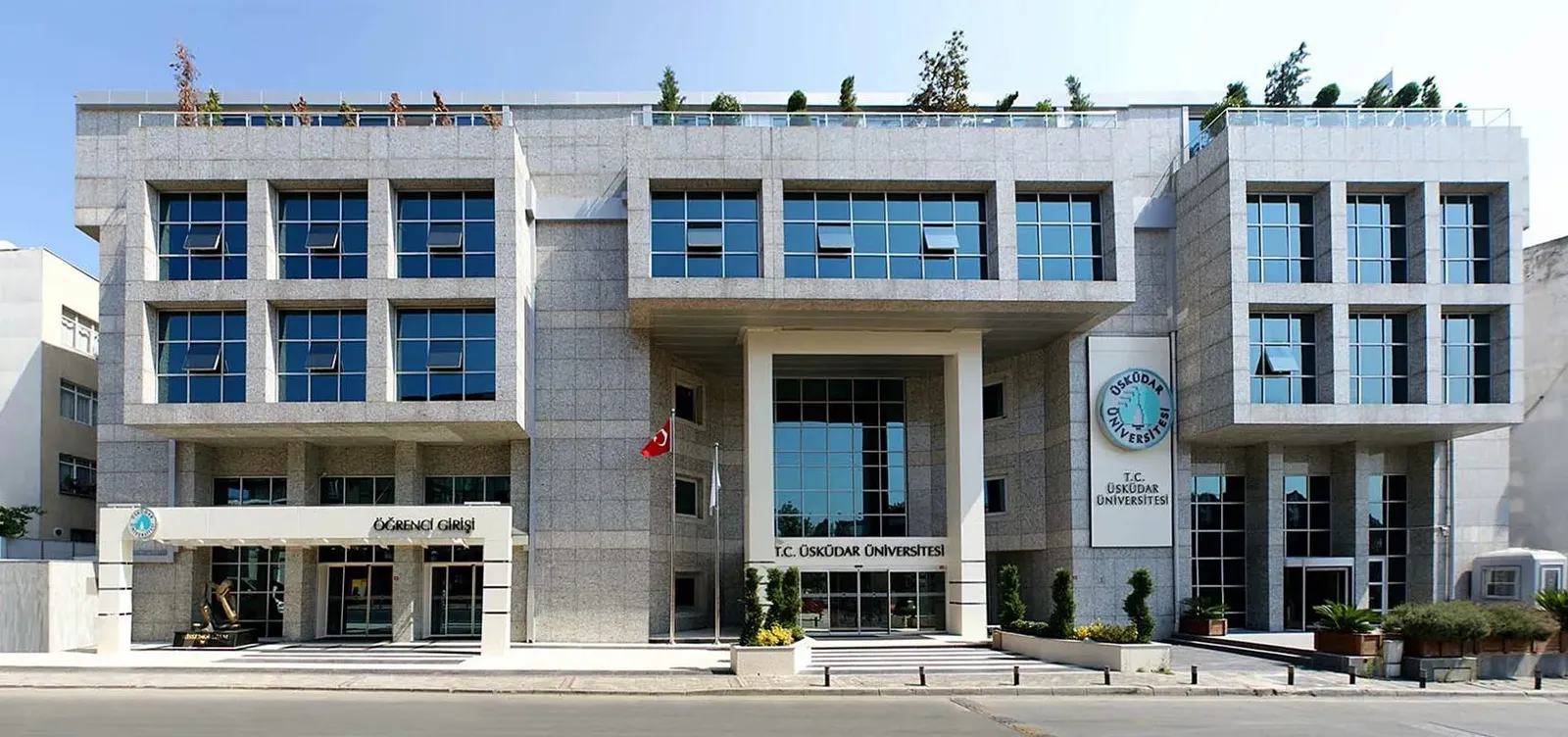
| University | Degree | Language | Tuition |
|---|---|---|---|
| Yeni Yuzyil University | Bachelor | Turkish | $5 000/yr (2026–27) · fee source |
| Uskudar University | Master | Turkish | $4 800 whole programme, thesis (2026–27) · fee source · $4 400 non-thesis |
| Nisantasi University | Master | Turkish | Fee on request · application portal (academic year not stated) |
Yeni Yüzyıl also publishes a 50% scholarship price of $2 500 next to its $5 000 normal fee; the university decides who receives it. Fees were checked on 29 September 2026.
Careers after New Media and Journalism
Graduates work as reporters and editors at news sites, agencies and broadcasters, as video and podcast producers, social-media editors, fact-checkers and newsletter writers, and in brand and corporate content teams. Istanbul concentrates most Turkish national media, production companies and digital agencies, which makes internships easier to find than in smaller cities.
Journalism is not a licensed profession, so employers hire on clips, audience results and technical skills such as editing, data visualisation and verification. Foreign graduates who want to work in Turkey need a work permit, and accredited press status is a separate decision of the Turkish authorities. A master’s helps for teaching, research and media-management roles.
New Media and Journalism in Turkey: questions applicants ask
Programmes titled New Media and Journalism or Journalism in our sources are Turkish-taught. English-taught alternatives carry communication titles, such as New Media and Communication at Üsküdar, İstinye and Bilgi.
Yeni Yüzyıl lists $5 000 a year for 2026–27. Üsküdar’s master’s costs $4 800 with a thesis or $4 400 without one, each for the whole programme.
Usually not for the bachelor’s, where school results decide admission, but a small set of articles or videos helps for scholarships, internships and the master’s.
Journalism programmes centre on reporting, verification and news production. New media and communication programmes are broader and include digital marketing, platform strategy and communication design.
Four years for the bachelor’s, plus a preparatory year if your Turkish or English is below the entry level. Master’s programmes take three to four semesters.
They need a work permit like any foreign employee, and press accreditation is decided separately by the Turkish authorities. Many graduates also freelance for international outlets.
Programme comparison, eligibility checks, document preparation and application follow-up are provided under an agreement with StudyU. The university decides admission.
Want to study journalism or new media in Turkey?
During the free initial consultation, we clarify your goal, profile, timing, and budget and identify the next realistic step. A personal strategy, requirement checks, selection of agreed options, document preparation, applications, and support are provided under an agreement with StudyU.
Official sources
- YÖK Atlas: official program catalogue — program availability, institution and stated language of instruction. International quotas and tuition require the university's own current source.
- YÖK: official international-student information — the official university search route and general international-student guidance. The chosen university still owns its admission requirements.
- ÖSYM: official TR-YÖS exam (2026) — the official calendar and application route for TR-YÖS/1 in 2026. Each university publishes whether the result is required for the selected program.
Tuition figures come from the universities’ own fee lists for international students: İstanbul Yeni Yüzyıl University: 2026–2027 undergraduate fees (PDF); Üsküdar University: 2026–2027 international tuition fees; İstanbul Okan University: 2026–2027 tuition fees; İstanbul Medipol University: 2026–2027 tuition fee list (PDF); İstinye University: quotas and tuition fees for 2026–2027 entrants; İstanbul Bilgi University: 2026–2027 tuition and fees; Nişantaşı University: international brochure (PDF). Where a list is available online, the fee cell in the table links to it. All fees are published in US dollars, so no currency conversion was applied. Fees were checked on 29 September 2026; confirm language, curriculum, quota and tuition with the university for your intake before paying.
Updated:
