
Sociology in Turkey: the short answer
A Sociology bachelor's in Turkey takes four years and is taught mainly in Turkish, with English-taught tracks at universities such as Bahçeşehir, TED and Bilgi. Bachelor's fees published for 2026/27 run from $4,200 a year (Üsküdar, Turkish) to $12,000 (Bilgi, English); Gelişim's latest list, for 2025/26, shows $3,500. Private universities usually admit international applicants on the school-leaving certificate and grades, plus proof of the teaching language.
Turkish sociology departments combine classical theory with a strong empirical side: survey design, fieldwork, statistics and, increasingly, digital and computational methods. Many departments also teach Turkish society directly, from migration and urbanisation to family, religion and labour, which gives international students a comparative view that is hard to get at home.
Beyond the bachelor's, Turkish universities offer master's programmes with and without a thesis and doctoral programmes. Graduate fees are often quoted for the whole programme rather than per year, which the table below marks row by row.
What you study, year by year
The sequence below is typical of Turkish sociology curricula. Elective pools differ a lot, so compare them against the topics you actually want to research.
- Introduction to sociology
- History of social thought
- Introduction to psychology, economics or anthropology
- Academic writing in the teaching language
- Classical sociological theory (Marx, Weber, Durkheim)
- Research methods and research design
- Social statistics
- Sociology of Turkey
- Contemporary theory
- Qualitative methods: interviews, ethnography, discourse analysis
- Electives: migration, gender, urban, media, religion, work
- Quantitative data analysis with SPSS, R or similar
- Research seminar
- Graduation project or thesis based on your own data
- Advanced electives
- Optional internship in an NGO, research company or municipality
If you aim for a research career or a master's abroad, check how much statistics the programme requires. Two or more compulsory quantitative courses and a data-based graduation project make a stronger application than a theory-only transcript.
Entry requirements for international applicants
There is no subject prerequisite for sociology; the decisive items are your school certificate, the grade threshold of each university and your language level.
- School-leaving certificate and transcript, translated into Turkish or English. Üsküdar, for example, sets a minimum of 3 out of 5 for Russian, Kazakh and Azerbaijani certificates.
- Grade route or exam route: İstinye's international rules ask for at least 50% on the diploma for non-medical programmes, and several universities accept SAT as an alternative.
- Turkish-taught tracks: a B2 certificate from a university TÖMER or the Yunus Emre Institute is a common benchmark, or the university's own proficiency exam; otherwise you join a Turkish preparatory year.
- English-taught tracks: an IELTS or TOEFL score at the university's level, or its in-house test followed by English preparation if you fall short.
- After admission, the high-school equivalence certificate (denklik) from a Turkish embassy or a Ministry of National Education directorate.
For master's applications, universities look at the bachelor's diploma and grades; İstinye, for instance, asks for at least 60% and an English exam result for thesis-based graduate programmes regardless of the teaching language.
Application steps and timing
- A year before. Decide between Turkish-taught and English-taught sociology and check how much statistics each curriculum requires.
- Six to nine months before. Take an English test or start Turkish, and collect and translate your school documents.
- Application. Apply online to each shortlisted university; the university decides admission and any scholarship.
- After acceptance. Pay the deposit the acceptance letter specifies and apply for a student visa; the consulate decides.
- On arrival. Register, obtain the denklik certificate and apply for a residence permit, which the migration authority decides.
How to compare sociology departments
- Language you can study in for four years. Turkish tracks are cheaper and wider in choice; English tracks are fewer and cost more.
- Methods training. Count compulsory methods and statistics courses and ask which software is taught.
- Faculty research. Look at what staff actually publish: migration, urban studies, gender, digital society or religion.
- Fieldwork and internships. Ask whether students join funded research projects or municipal and NGO placements.
- Pathway to a master's. A thesis option and research seminars matter if you plan graduate study.
A lower fee does not mean a weaker department, and a famous name says little about how well methods are taught. Read the course catalogue and two or three recent graduation-project topics before deciding.
Universities and published tuition
The table shows published base tuition for sociology programmes as each university lists them, with the fee year and whether the amount is per year or for the whole programme.
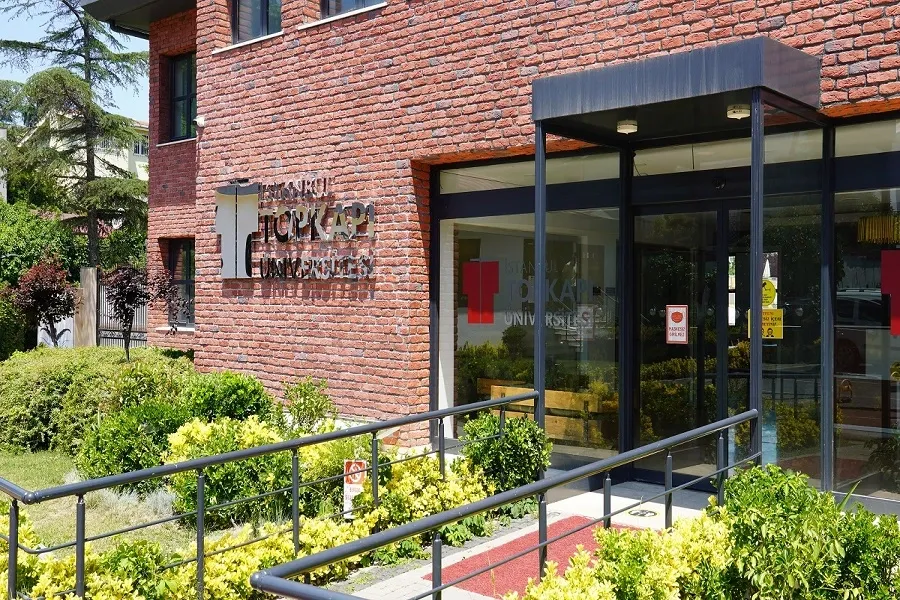
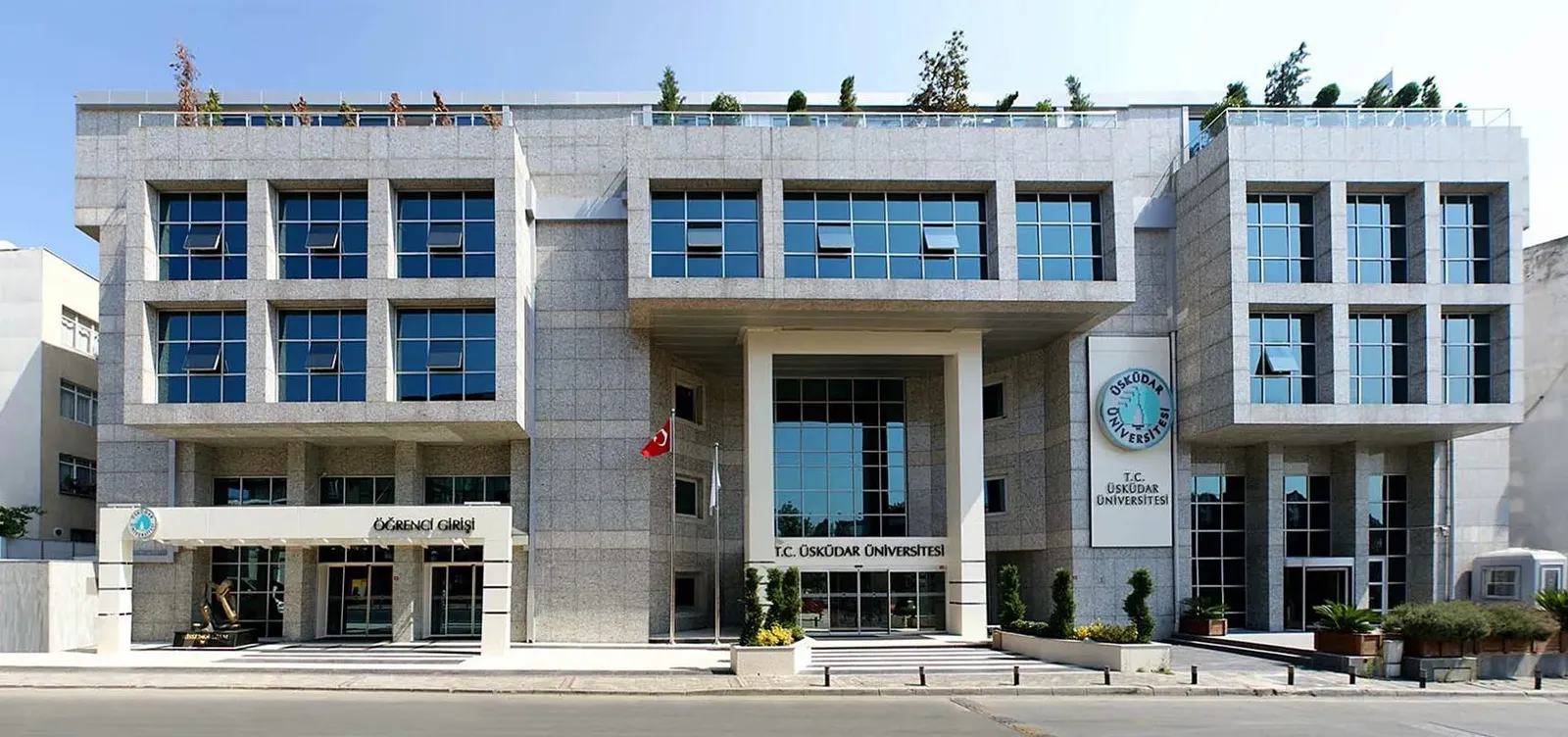
| University | Programme as listed | Degree | Language | Published tuition | Fee year and basis |
|---|---|---|---|---|---|
| Gelisim University | Sociology (Turkish) | Bachelor | Turkish | $3,500/yr | 2025/26 list, latest published · per year |
| Uskudar University | Sociology (Turkish) | Bachelor | Turkish | $4,200/yr | 2026/27 · per year |
| Nisantasi University | Sociology | Bachelor | Turkish | $4,958/yr | Year not stated · list fee per year |
| Altinbas University | Sociology | Bachelor | Turkish | $5,000/yr | 2025/26 list, latest published · per year |
| Bahcesehir University | Sociology | Bachelor | English | $8,500/yr | 2026/27 · per year |
| TED University | Sociology | Bachelor | English | $11,800/yr | Year not stated · per year, VAT included |
| Bilgi University | Sociology | Bachelor | English | $12,000/yr | 2026/27 · per year |
| Gelisim University | Sociology (non-thesis) | Master | Turkish | $3,750 | 2025/26 list, latest published · whole programme |
| Uskudar University | Sociology (non-thesis) | Master | Turkish | $4,400 | 2026/27 · full programme |
| Gelisim University | Sociology (thesis) | Master | Turkish | $4,500 | 2025/26 list, latest published · whole programme |
| Uskudar University | Sociology (thesis) | Master | Turkish | $4,800 | 2026/27 · full programme |
| Bahcesehir University | Sociology (PhD) | PhD | English | $40,000 | 2026/27 · whole programme |
| Bahcesehir University | Sociology (PhD) | PhD | Turkish | $40,000 | 2026/27 · whole programme |
Sources: İstanbul Gelişim University, İstanbul Gelişim University (graduate fees), Üsküdar University, Nişantaşı University, Altınbaş University, Bahçeşehir University, TED University, İstanbul Bilgi University. Nişantaşı's portal also shows a lower discounted figure; the table keeps its list fee.
Tuition excludes a preparatory language year, housing, insurance, the residence permit and books. The university's written offer confirms the fee and any scholarship for your intake.
Careers and further study
Sociology is not a licensed profession in Turkey, so graduates move into roles where research, writing and social analysis are valued: market and opinion research, NGOs and international organisations working with migrants and refugees, human resources and diversity teams, local government projects, media and content research, and user research in technology companies.
Many graduates continue to a master's in sociology, social policy, migration studies, urban planning or data science. A strong methods record, an original graduation project and fluent English open more doors than the university's ranking.
Public-sector jobs in Turkey generally follow national recruitment rules, so international graduates more often work in private research firms, international NGOs or return home with a comparative perspective and bilingual skills.
Who this programme suits
A strong fit if you…
- you ask why societies change and enjoy reading and arguing about evidence;
- you are willing to learn statistics and interview techniques, not only theory;
- you want a flexible degree that leads to research, policy, HR or a master's;
- you are curious about Turkish society and comfortable studying in Turkish or English.
Think twice if…
- you want a regulated profession with a clear licence at the end;
- you dislike long reading lists and essay writing;
- you expect the diploma alone to lead to a specific job title.
Plan your Sociology application
During the free initial consultation, we clarify your goal, profile, timing, and budget and identify the next realistic step. A personal strategy, requirement checks, selection of agreed options, document preparation, applications, and support are provided under an agreement with StudyU. The university decides on admission and on any tuition scholarship, and the migration authority decides on the residence permit.
Frequently asked questions
Yes, but the choice is narrower than in Turkish. Bahçeşehir, TED University and İstanbul Bilgi publish English-taught sociology bachelor's programmes, while Üsküdar, Altınbaş, Nişantaşı and Gelişim teach it in Turkish.
Among the published fees on this page, 2026/27 bachelor's fees start at $4,200 a year for Üsküdar's Turkish track and reach $12,000 a year at Bilgi, which teaches in English; Gelişim's latest published list, for 2025/26, shows $3,500. Master's fees at Üsküdar and Gelişim are quoted for the whole programme, between $3,750 and $4,800.
A completed school-leaving certificate with its transcript, a passport and proof of the teaching language are the core documents. Each university sets its own minimum grade; Üsküdar, for example, lists 3 out of 5 for Russian and Kazakh certificates.
Yes. Üsküdar and Gelişim, for example, run both thesis and non-thesis master's programmes in sociology, taught in Turkish. The thesis route suits you if you plan a PhD or research work.
Typical paths are market and social research, NGO and migration work, HR and people analytics, public-policy projects, media research and user research. Salaries and openings depend on your languages, methods skills and work authorisation in the country where you apply.
Under an agreement with StudyU, we shortlist programmes that match your language and budget, check your documents, submit the applications and follow up on the agreed steps. The university decides on admission, and the migration authority decides on the residence permit.
Official sources
- YÖK Atlas: official program catalogue — program availability, institution and stated language of instruction. International quotas and tuition require the university's own current source.
- YÖK: official international-student information — the official university search route and general international-student guidance. The chosen university still owns its admission requirements.
- ÖSYM: official TR-YÖS exam (2026) — the official calendar and application route for TR-YÖS/1 in 2026. Each university publishes whether the result is required for the selected program.
All tuition figures on this page are published by the universities in US dollars, so no currency conversion was applied. YÖK Atlas confirms which universities run sociology and in which language; fee sources are linked beneath the university table.
Updated:
