
Television Reporting and Programming in Turkey: the short answer
Television Reporting and Programming (Televizyon Haberciliği ve Programcılığı) is a four-year communication degree that trains TV reporters, news editors and programme makers. Two universities list it for international students: İstanbul Bilgi teaches it in English at $12,000 a year for 2026/27, and İstanbul Gelişim teaches it in Turkish, with $3,500 a year on its latest (2025/26) list. Related Journalism bachelor's programmes and two-year Radio and Television Programming diplomas widen the choice.
The programme sits between journalism and radio-television-cinema. Compared with Journalism it spends more time on cameras, studios, live broadcasting and programme formats; compared with Radio, Television and Cinema it is more news- and current-affairs-driven than film-driven.
Most of the work is done in teams under deadlines: shooting a news package, editing it, writing the voice-over and presenting it. The language you broadcast in matters, so choose the teaching language you can speak on air with confidence.
What you study, year by year
- Introduction to communication and journalism
- News writing and reporting basics
- Visual literacy and photography
- History of broadcasting
- Camera and lighting techniques
- Video editing and sound for TV
- TV news reporting and interviewing
- Media law and ethics
- Studio production and live broadcasting
- Programme formats: talk, magazine, documentary
- Presenting and voice training
- Digital and mobile journalism
- News-desk management and editorial decision-making
- Documentary or current-affairs project
- Internship at a channel, news agency or production company
- Graduation film or broadcast portfolio
Ask how much studio and equipment time students actually get, whether there is a campus TV channel or online news platform, and whether graduation projects are broadcast or published. A showreel is your most important asset when you apply for jobs.
Entry requirements for international applicants
- a completed secondary-school certificate and transcript meeting the university's minimum grade;
- for Bilgi's English-taught programme, English evidence accepted by the university or its English preparatory programme;
- for Gelişim's Turkish-taught programme, Turkish at the required level or its Turkish preparatory school ($1,750 a year on the 2025/26 list);
- a passport and translated documents, then the equivalence certificate (denklik) for your school diploma after admission.
No portfolio is required at the universities compared here, but a short video or written news piece helps you judge whether the field suits you and gives you material for a motivation letter.
Application steps and timing
- A year before. Decide between English-taught and Turkish-taught study and between Television Reporting, Journalism and Radio, Television and Cinema.
- Six to nine months before. Take an English test or start Turkish, collect school documents and record a first video piece.
- Application. Apply online to each university and wait for the acceptance letter.
- After acceptance. Pay the deposit required in the letter and apply for a student visa; the consulate decides.
- On arrival. Register, obtain denklik and apply for the residence permit, which the migration authority decides.
How to compare programmes
- Equipment and studios. Count cameras, editing suites and studio hours per student, not only the showroom studio.
- Industry links. Istanbul is home to national broadcasters and production companies; ask where recent students interned.
- Language on air. English-language TV work in Turkey is limited, so plan how you will use the degree, in Turkey or at home.
- Digital focus. Look for mobile journalism, social video and data journalism alongside classic TV.
- Cost per year versus total. Compare four-year totals, including a possible preparatory year.
A frequent mistake is to choose by the programme title alone. Two degrees called Journalism or Television Reporting can differ widely in how much practical broadcast work they include.
Universities and published tuition
Television Reporting and Programming, closely related Journalism bachelor's programmes and two-year Radio and Television Programming diplomas.
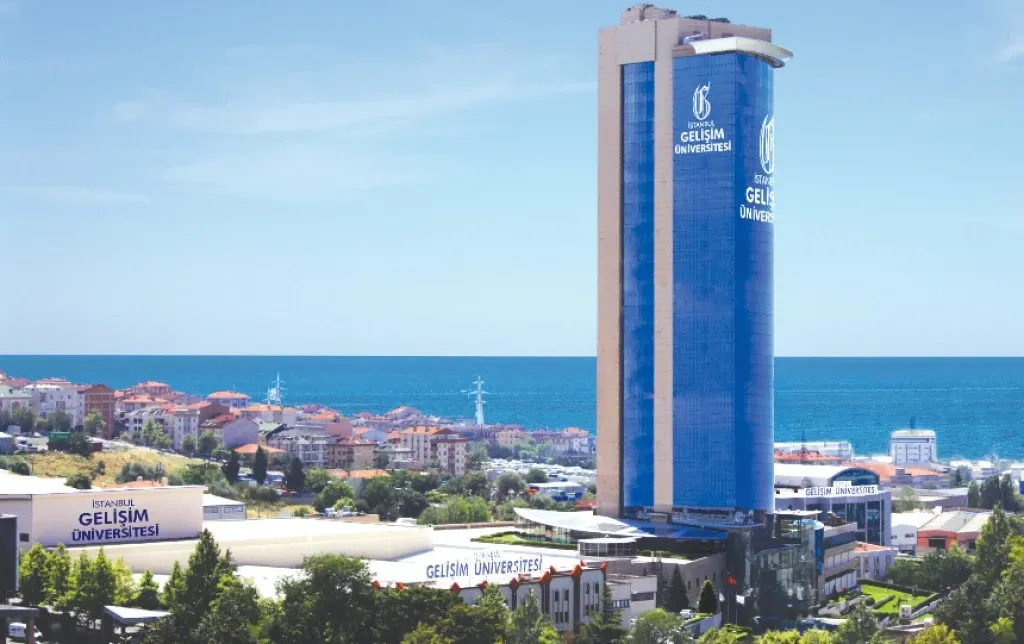
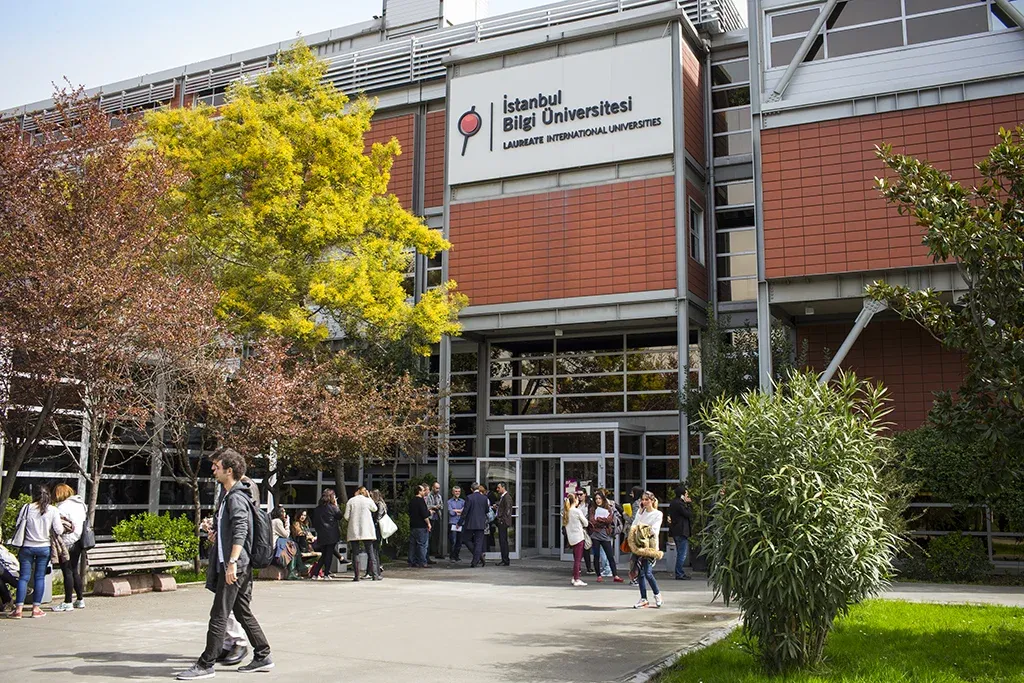
| University | Programme as listed | Degree | Language | Published tuition | Fee year and basis |
|---|---|---|---|---|---|
| Gelisim University | Television Reporting and Programming (Turkish) | Bachelor | Turkish | $3,500/yr | 2025/26 list, latest published · per year |
| Bilgi University | Television Reporting and Programming | Bachelor | English | $12,000/yr | 2026/27 · per year, VAT included |
| Uskudar University | Journalism (Turkish), related programme | Bachelor | Turkish | $4,200/yr | 2026/27 · per year |
| Medipol University | Journalism, related programme | Bachelor | Turkish | $4,500/yr | 2026/27 · per year |
| Gelisim University | Radio and Television Programming (Turkish) | Associate | Turkish | $2,750/yr | 2025/26 list, latest published · per year |
| Yeni Yuzyil University | Radio and Television Programming | Associate | Not stated in fee list | $3,000/yr | 2026/27 · per year |
Sources: İstanbul Gelişim University, İstanbul Bilgi University, Üsküdar University, İstanbul Medipol University, İstanbul Yeni Yüzyıl University. Bilgi's fee includes VAT. Yeni Yüzyıl's list shows a 50% scholarship column ($1,500 for vocational programmes); ask which rate applies to you.
Budget separately for housing, insurance, the residence permit and, for many students, a laptop and editing software.
Careers in television and video news
Graduates work as reporters, news editors, camera operators and video editors, programme researchers and producers, presenters, social-video producers for news sites and brands, and in production companies making documentaries and entertainment formats.
Broadcast jobs are competitive and portfolio-based. A showreel with reporting in more than one language, internship experience and a network built during the degree count more than the diploma title. Working in Turkey after graduation requires a work permit, applied for by the employer.
Who this programme suits
A strong fit if you…
- you follow the news closely and like telling stories with pictures and sound;
- you are comfortable on camera or behind it and work well in teams;
- you can handle deadlines and long production days;
- you want a practical degree that ends with a showreel.
Think twice if…
- you want pure film-making, where Cinema and Television fits better;
- you prefer writing long-form articles to working with video;
- you are not ready to present or report in the programme's teaching language.
Plan your Television Reporting application
During the free initial consultation, we clarify your goal, profile, timing, and budget and identify the next realistic step. A personal strategy, requirement checks, selection of agreed options, document preparation, applications, and support are provided under an agreement with StudyU. The university decides admission, the consulate decides the visa, and the migration authority decides the residence permit.
Frequently asked questions
Yes. İstanbul Bilgi University lists an English-taught Television Reporting and Programming bachelor's for 2026/27 at $12,000 a year, VAT included. Gelişim's programme is taught in Turkish.
Bilgi lists $12,000 a year for 2026/27. Gelişim's latest published list, for 2025/26, shows $3,500 a year for its Turkish-taught programme.
Journalism covers print, online and broadcast news more broadly. Television Reporting and Programming concentrates on TV news and programme production: cameras, editing, studios, presenting and formats.
Yes. Two-year Radio and Television Programming associate programmes are listed by Gelişim ($2,750 a year on its 2025/26 list) and Yeni Yüzyıl ($3,000 a year for 2026/27).
Not at the universities compared here. Admission is based on school results and language evidence, although a short video piece helps you and strengthens a motivation letter.
Under an agreement with StudyU, we compare programmes by language, practical content and total cost, check documents and prepare applications. The university decides admission.
Official sources
- YÖK Atlas: official program catalogue — program availability, institution and stated language of instruction. International quotas and tuition require the university's own current source.
- YÖK: official international-student information — the official university search route and general international-student guidance. The chosen university still owns its admission requirements.
- ÖSYM: official TR-YÖS exam (2026) — the official calendar and application route for TR-YÖS/1 in 2026. Each university publishes whether the result is required for the selected program.
All tuition figures on this page are published by the universities in US dollars, so no currency conversion was applied. YÖK Atlas lists communication programmes with their language of instruction; fee sources are linked under the table.
Updated:
