
Chemistry in Turkey: the short answer
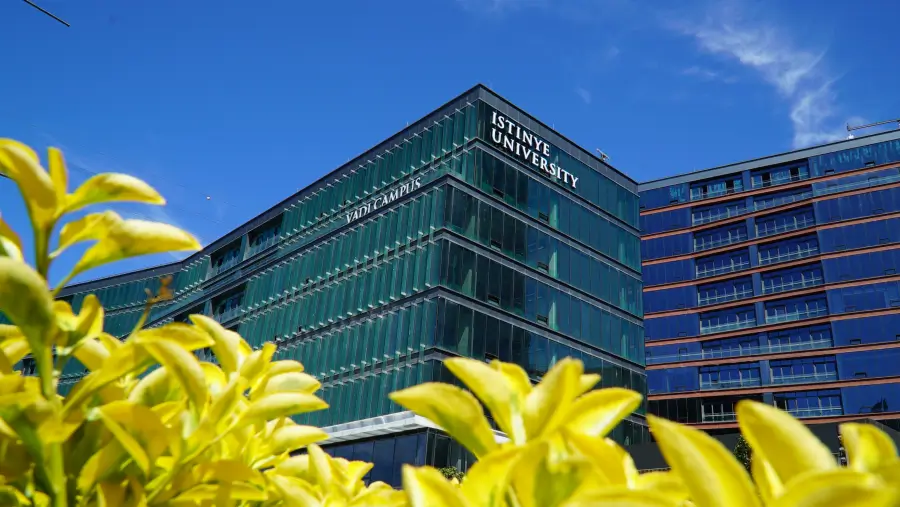
A chemistry bachelor's in Turkey is a four-year science degree covering analytical, organic, inorganic, physical and biochemistry, with laboratory work in every year. The English-taught option on this page is Istinye University in Istanbul, at $8,000 a year for 2026/27; Istinye also lists an English-taught PhD in chemistry at $12,500 for the whole programme.
Chemistry is a pure science, not chemical engineering. Chemists analyse substances and design molecules and materials; chemical engineers scale those processes up in plants. If you want industrial process design, compare chemical engineering; if you want the laboratory and research path, chemistry is the better base.
How the chemistry degree is organised
The first year covers general chemistry, mathematics and physics with introductory laboratories. The second year moves to analytical and organic chemistry, where most students feel the jump in workload. In the third year come physical and inorganic chemistry, instrumental analysis (spectroscopy, chromatography) and biochemistry.
The final year combines electives, such as polymer, materials, environmental or medicinal chemistry, with a research project in a faculty laboratory. Laboratory safety, reporting and data analysis are assessed throughout, and summer internships in quality-control or R&D labs are strongly recommended.
- General chemistry
- Calculus
- Physics
- Introductory laboratory
- Analytical chemistry
- Organic chemistry
- Laboratory techniques
- Mathematics for chemists
- Physical chemistry
- Inorganic chemistry
- Instrumental analysis
- Biochemistry
- Electives (polymers, materials, environment)
- Research project
- Chemical safety and regulations
- Seminar and thesis
Who chemistry suits
Choose it if you…
- You enjoyed chemistry and mathematics at school and like precise laboratory work.
- You are interested in pharmaceuticals, materials, energy, food or environmental analysis.
- You are open to a master's or PhD, which open most research roles.
Worth a pause if…
- You want to design industrial plants; chemical engineering fits better.
- You dislike long laboratory sessions and detailed written reports.
Entry requirements for international students
Istinye admits international bachelor's applicants on the school certificate and transcript or on international exam scores. The criteria it applied in 2025/26 for programmes outside medicine, dentistry and pharmacy were a school average of at least 50%, or SAT 1000, ACT 21, IB 28 or TR-YÖS 60/100; the university says these rules will be updated for 2026/27.
- School documents: certificate and transcript (the 11-year certificate for Russian and CIS applicants), translations and the Ministry of National Education equivalence at registration.
- English: an accepted English exam result or Istinye's own test; without it you start in the English preparatory programme.
- PhD: Istinye asks graduate applicants for at least 60% in their previous degree, does not require ALES from international students and requires an English score for thesis and doctoral programmes.
- Subjects: strong chemistry and mathematics grades matter more than the overall average.
How to compare chemistry programmes
- Laboratory access: count the lab hours per week in the study plan and ask which instruments undergraduates use themselves.
- Research groups: look at the department's recent publications and whether bachelor's students join projects.
- Teaching language: English-taught chemistry is rare among private universities; Turkish-taught programmes at other universities need strong Turkish.
- Path to graduate study: check whether the university also runs chemistry master's and PhD programmes, as Istinye does.
- Quality assurance: check the university's institutional accreditation with YÖKAK.
Careers after chemistry
Chemists work in quality-control and analytical laboratories, pharmaceutical and cosmetics R&D, paints and polymers, food and agriculture, environmental monitoring, forensic and customs labs, and technical sales of instruments and chemicals. A master's or PhD is usually needed for research and university careers.
Some countries regulate the title of chemist or require registration for certain laboratory roles. If you plan to work outside Türkiye, check how your country recognises a foreign science degree before you enrol.
Universities offering chemistry
Published tuition for international students, with the fee basis and academic year.
| University | Degree | Language | Tuition (academic year) |
|---|---|---|---|
| Istinye University | Bachelor | English | $8,000/yr · 2026/27 · official fee |
| Istinye University | PhD | English | $12,500 whole programme · 2026/27 · official fee |
Istinye's graduate fees cover the entire programme: $12,500 for the four-year PhD after a master's, or $15,000 for the five-year PhD entered directly after a bachelor's. At final registration the university asks for at least half of the annual fee, with the balance due by 1 December 2026 for this intake.
Add the cost of the English preparatory year if you need it, laboratory coats and safety equipment, housing, health insurance and residence-permit fees.
How StudyU helps chemistry applicants
A personal strategy, requirement checks, selection of agreed options, document preparation, applications, and support are provided under an agreement with StudyU. For chemistry we check the current admission criteria and English requirements, compare the programme with chemical engineering and related options, and prepare your document set. The university decides admission and scholarships, Türkiye's Ministry of National Education decides school-certificate equivalence, the consulate decides the visa, the migration authority issues the residence permit, and the dormitory or landlord confirms housing.
Chemistry in Turkey: FAQ
Yes. Istinye University lists an English-taught chemistry bachelor's at $8,000 a year for 2026/27.
Chemistry studies substances and reactions in the laboratory; chemical engineering designs and runs the processes that make them at industrial scale.
Istinye lists $12,500 for the whole four-year PhD, or $15,000 when you enter directly after a bachelor's.
No, not necessarily. Istinye also accepts school results or SAT, ACT and IB scores; TR-YÖS is one of several routes.
Yes. Labs run through all four years, and the final year usually includes an individual research project.
Quality control, analytical and R&D laboratories in pharmaceuticals, materials, food and environment, plus technical sales and, with further study, research.
Ready to study Chemistry in Turkey?
During the free initial consultation, we clarify your goal, profile, timing, and budget and identify the next realistic step.
Official sources
- YÖK Atlas: official program catalogue — program availability, institution and stated language of instruction. International quotas and tuition require the university's own current source.
- YÖK: official international-student information — the official university search route and general international-student guidance. The chosen university still owns its admission requirements.
- ÖSYM: official TR-YÖS exam (2026) — the official calendar and application route for TR-YÖS/1 in 2026. Each university publishes whether the result is required for the selected program.
Fees and requirements on this page come from the official documents below; where a university publishes its fee list online, the link sits next to the amount in the table above.
- Istinye University: 2026/27 quotas and tuition — Chemistry (English) $8,000 per year; Chemistry PhD (English) $12,500, or $15,000 after a bachelor's, for the whole programme; payment deadline 1 December 2026.
- Istinye University: application criteria — 2025/26 thresholds for school average, SAT, ACT, IB and TR-YÖS; graduate criteria (60%, no ALES, English score for thesis programmes).
- YÖKAK: Higher Education Quality Council — institutional accreditation of Turkish universities.
Fees above are published by the universities in US dollars, so no conversion is applied. For readers budgeting in euros, the ECB reference rate on 29 September 2026 was €1 = $1.1355. Fees and programme lists were checked on these pages on 29 September 2026; confirm the active intake before paying a deposit.
Updated:
