
Studying painting in Turkey: the short answer
Painting in Turkey is a four-year studio bachelor's at a faculty of fine arts, taught in Turkish and entered through a portfolio review or a practical talent exam rather than through grades alone. In our catalogue Topkapı University lists the bachelor's (ask it for the 2026–27 fee), and İstanbul Okan University offers a Painting master's at $4 500 with a thesis or $3 500 without, each for the whole programme (2026–27).
| Question | Answer |
|---|---|
| Degree and length | Bachelor's, 4 years; master's 1.5–2 years |
| Teaching language | Turkish |
| Selection | Portfolio and/or a practical drawing exam set by the faculty |
| Core of the course | Life drawing, studio painting, art history and contemporary art practice |
| Published fees | Okan master’s: $4 500 (thesis) or $3 500 (non-thesis) for the whole programme, 2026–27 |
| Typical outcome | Artist practice, teaching, illustration, restoration or gallery work |
Painting departments in Turkey follow an atelier tradition: students join the studio of a professor and work there for long blocks each week, with critiques rather than written exams deciding most grades. If you prefer structured briefs and digital tools, a design degree may suit you better.
How studio training works
The first year trains observation: anatomy drawing, perspective, colour and composition. From the second year students paint in a studio, move from representation to their own subjects and media, and study printmaking, sculpture or photography as secondary practices. The final year ends with a graduation exhibition, often accompanied by a written statement.
- Basic art education: drawing, colour and form
- Life drawing and anatomy for artists
- History of art I
- Turkish for art students
- Studio painting I
- Printmaking techniques
- Materials and techniques of painting
- History of art II
- Studio painting II with an individual project
- Contemporary art theory
- Electives: mural, illustration, photography
- Exhibition practice
- Graduation studio and exhibition
- Portfolio and artist statement
- Art market and curating basics
- Elective: restoration or art education
A good fit if you
- draw every day and want years of studio time;
- are comfortable with open critique of your work;
- can study in Turkish or are ready to learn it.
Consider another route if you
- want a secure salaried job straight after graduation;
- prefer digital design and client briefs, where graphic or visual communication design fits better;
- need an English-taught fine-arts degree.
Portfolio and entry requirements
Fine-arts faculties judge talent first. Prepare the portfolio well before the application window opens.
- Portfolio. Typically 10–20 recent works: observational drawings, figure studies, colour work and a few personal projects. Show process sketches as well as finished pieces.
- Talent exam. Some faculties add a timed drawing exam on campus; ask whether international applicants can submit a portfolio instead.
- School documents. Certificate and transcript with translations; the Ministry of National Education issues the equivalence certificate (denklik) after admission.
- Turkish. A certificate or a preparatory year, because critiques and theory courses are in Turkish.
- Master’s applicants. A bachelor’s in fine arts or a related field, a portfolio and usually an interview.
The faculty jury decides the portfolio or talent-exam result and the university decides admission; the Presidency of Migration Management decides the student residence permit.
How to choose a painting programme
Visit studios, virtually or in person, before choosing.
| What to check | Why it matters |
|---|---|
| Studio space per student | Large-format work needs space and storage |
| Professors’ own practice | Your atelier professor shapes your artistic direction |
| Workshops available | Printmaking, ceramics and photography labs broaden your practice |
| Exhibitions and gallery links | Istanbul’s gallery scene and biennial create visibility for students |
| Portfolio format | Digital submission or on-site exam changes how you prepare |
Related studio and design bachelor’s degrees with published 2026–27 fees:
| Programme | University | Language | Annual fee |
|---|---|---|---|
| Visual Communication Design | Üsküdar | Turkish | $4 200 · fee source |
| Visual Communication Design | Okan | Turkish | $4 500 · fee source |
| Visual Communication Design | Medipol | Turkish | $4 500 · fee source |
| Graphic Design | Yeni Yüzyıl | Turkish | $5 000 · fee source |
| Visual Communication Design | İstinye | Turkish | $7 000 · fee source |
Universities offering Painting
Painting programmes in our catalogue. Okan's master's fees cover the whole programme.
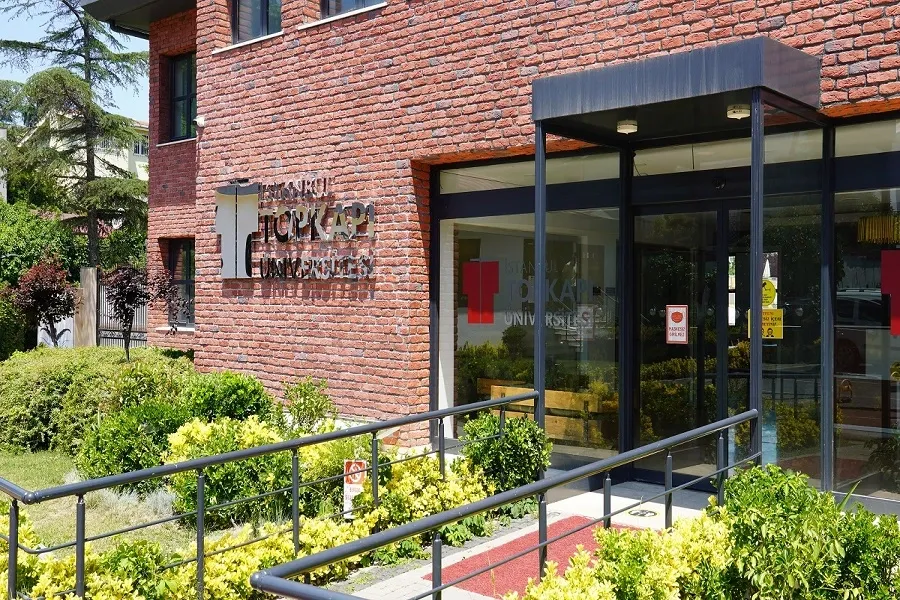
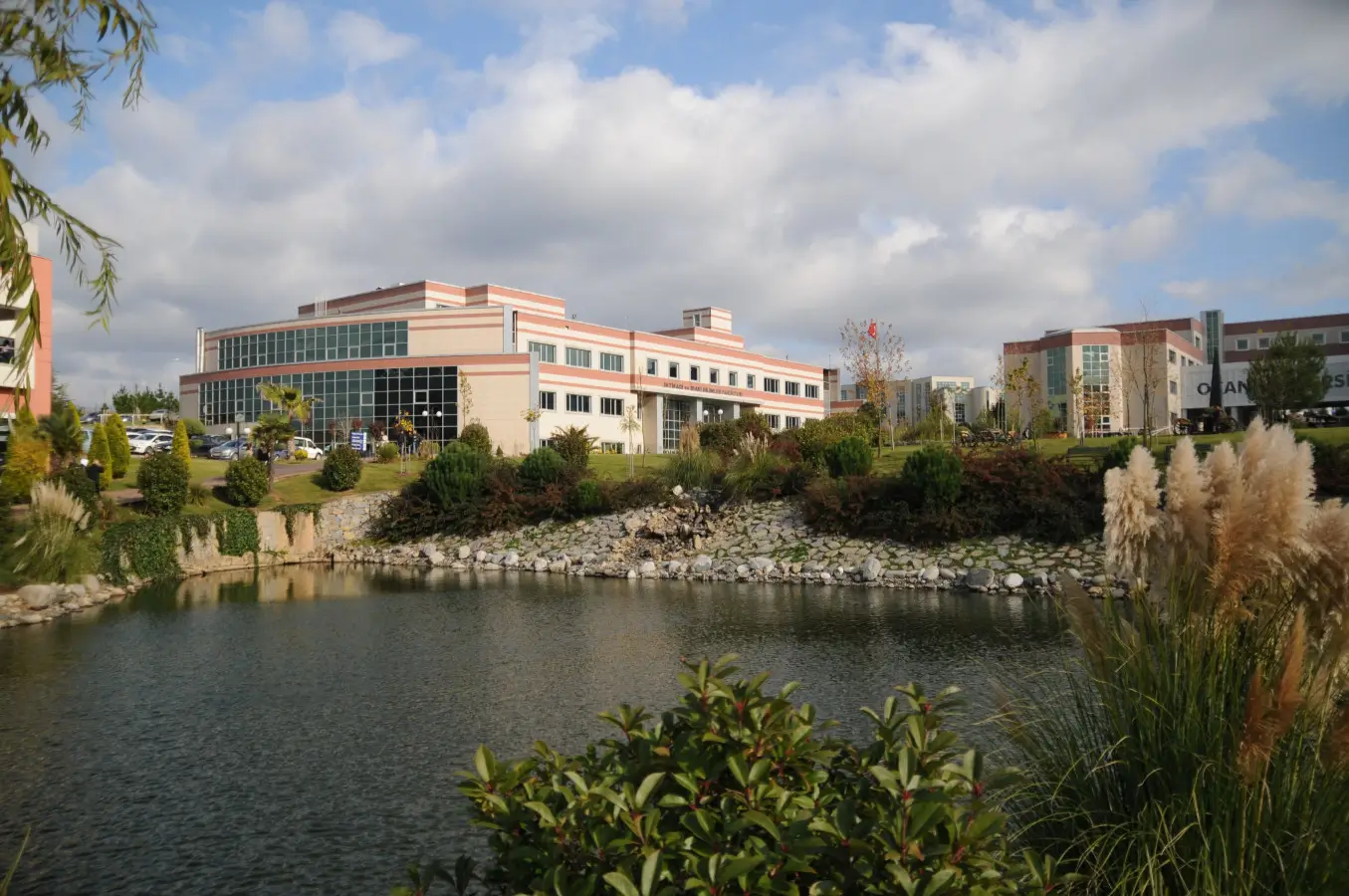
| University | Degree | Language | Tuition |
|---|---|---|---|
| Topkapi University | Bachelor | Turkish | Fee on request · admissions portal (no current fee list) |
| Okan University | Master | Turkish | $4 500 whole programme, thesis (2026–27) · fee source · $3 500 non-thesis |
Okan’s 2026–27 list prices both master’s tracks for the whole study period and shows a 5% lower price for payment in advance. Fees were checked on 29 September 2026.
Careers after a painting degree
Most graduates build a mixed career: their own studio practice and exhibitions alongside teaching in private art schools, illustration, set and mural painting, conservation assistance, gallery and museum work or art direction. Residencies, competitions and group shows matter more than grades, so use the student years to exhibit.
Teaching art in state schools usually requires a teacher-education qualification recognised in that country, and conservation work needs specialist training. A master’s or proficiency-in-art degree is the route to university teaching. Foreign graduates who want to work in Turkey need a work permit.
Painting in Turkey: questions applicants ask
The programmes listed here are Turkish-taught. Some design degrees are available in English, but studio painting is usually taught in Turkish.
Recent observational drawings, figure studies, colour work and a few personal projects, with some process sketches. Check the faculty’s own list for the intake.
Okan lists $4 500 for the thesis track and $3 500 for the non-thesis track, each for the whole programme in 2026–27.
Fine-arts faculties use a portfolio review, a practical drawing exam or both; the faculty decides the format each year.
Choose painting for studio art and exhibitions; choose visual communication design for branding, illustration and digital work with clearer salaried jobs.
Programme comparison, document preparation and application follow-up are provided under an agreement with StudyU; the faculty jury and the university decide on the portfolio and admission.
Preparing a fine-arts application for Turkey?
During the free initial consultation, we clarify your goal, profile, timing, and budget and identify the next realistic step. A personal strategy, requirement checks, selection of agreed options, document preparation, applications, and support are provided under an agreement with StudyU.
Official sources
- YÖK Atlas: official program catalogue — program availability, institution and stated language of instruction. International quotas and tuition require the university's own current source.
- YÖK: official international-student information — the official university search route and general international-student guidance. The chosen university still owns its admission requirements.
- ÖSYM: official TR-YÖS exam (2026) — the official calendar and application route for TR-YÖS/1 in 2026. Each university publishes whether the result is required for the selected program.
Tuition figures come from the universities’ own fee lists for international students: İstanbul Okan University: 2026–2027 tuition fees; Topkapı University: admissions portal (its downloadable fee list dates from 2018–19); Üsküdar University: 2026–2027 international tuition fees; İstanbul Medipol University: 2026–2027 tuition fee list (PDF); İstanbul Yeni Yüzyıl University: 2026–2027 undergraduate fees (PDF); İstinye University: quotas and tuition fees for 2026–2027 entrants. Where a list is available online, the fee cell in the table links to it. All fees are published in US dollars, so no currency conversion was applied. Fees were checked on 29 September 2026; confirm language, curriculum, quota and tuition with the university for your intake before paying.
Updated:
