
Fashion and Textile Design in Turkey at a glance
Fashion and Textile Design in Turkey is a four-year, studio-based bachelor’s that teaches garment and textile design from sketch and pattern to finished collection. Two Istanbul universities teach it in English with 2026–27 fees: Bahçeşehir at $8 500 a year and Bilgi at $12 000. Turkish-taught options are cheaper, from $4 500 a year at Okan and $7 000 at İstinye, but need Turkish at B2 level or a preparatory year.
- Length: four years, plus a language preparatory year if needed.
- Core: drawing, pattern making and draping, textile materials and surface design, collection development, digital design tools and fashion business.
- Why Turkey: Istanbul is a major garment and textile production centre, so studios, suppliers and manufacturers are within reach for internships and graduation collections.
- Next level: İstinye, Okan, Haliç and Nişantaşı run master’s programmes, and Haliç also offers a PhD, all taught in Turkish.
What the curriculum covers
Most programmes combine a shared art-and-design foundation with a gradual move into fashion or textile specialisation. The outline below is typical; each university’s course catalogue lists the exact modules and credits.
- Basic design and colour theory
- Figure and fashion drawing
- History of art and dress
- Introduction to textile materials
- Pattern making and draping
- Garment construction
- Weaving, knitting and printing techniques
- Computer-aided design for fashion
- Collection design studio
- Surface design and textile finishing
- Fashion marketing and trend research
- Summer internship in a studio or manufacturer
- Graduation collection or textile project
- Portfolio and presentation
- Sustainability and production planning
- Electives in accessories, knitwear or costume
Expect long studio hours and material costs: fabric, trims and printing for the graduation collection are usually paid by the student.
Entry requirements for international applicants
- School certificate with transcripts. Bilgi publishes a 50% minimum average and lists the Russian certificate among accepted qualifications; other universities set their own thresholds.
- Exams or portfolio. Private universities admit international students on school grades, SAT or YÖS results in different combinations. Design departments may also ask for a portfolio or an interview, so prepare 10–20 pieces of drawing, sewing or textile work even when it is optional.
- Language for English tracks. Bahçeşehir lists TOEFL iBT 72 or PTE Academic 55 and does not accept IELTS, Duolingo or TOEFL Home Edition. Bilgi lists TOEFL iBT 75 or PTE Academic 60.
- Language for Turkish tracks. You need a Turkish certificate or a preparatory year. İstinye charges $3 000 for its Turkish preparatory programme in 2026–27; Okan charges $2 000 for its Turkish preparation year.
- After admission: diploma equivalence from the Ministry of National Education and a student residence permit.
How to compare fashion design programmes
- Studios and equipment. Ask to see the pattern and sewing rooms, looms and knitting machines, digital printing and CAD software licences.
- Industry projects. Look for sponsored briefs, graduate shows and internship links with brands and manufacturers.
- Exchange. Bahçeşehir lists Erasmus agreements with Saxion University in the Netherlands, the University of Ljubljana and the Academy of Fine Arts of L’Aquila.
- Balance of fashion and textile. Some departments lean towards garment and collection design, others towards weaving, knitting and surface design. Read the third- and fourth-year course lists before choosing.
- Total cost. Add a preparatory year, materials and a laptop that runs design software to the tuition fee.
Careers after the degree
Graduates work as fashion designers, textile and print designers, pattern makers, product developers for brands and retailers, merchandisers and trend researchers. Others become stylists, costume designers for film and theatre, or start their own labels. Turkey’s export-oriented garment industry creates entry roles in design offices and sourcing, although many of these require working Turkish.
Employers judge you mainly on your portfolio. Keep every project documented with photographs and technical drawings from the first year, because the graduation collection alone rarely shows the full range of skills.
Who this degree suits
A good fit if you…
- enjoy drawing, sewing or working with materials;
- are ready for studio deadlines and critiques;
- want to build a portfolio near a large production industry.
Think twice if you…
- want a mainly theoretical degree;
- cannot afford material costs on top of tuition;
- need English teaching but not an Istanbul campus.
Universities offering Fashion and Textile Design
Two English-taught bachelor’s programmes and several Turkish-taught ones, plus master’s and PhD options in Turkish.
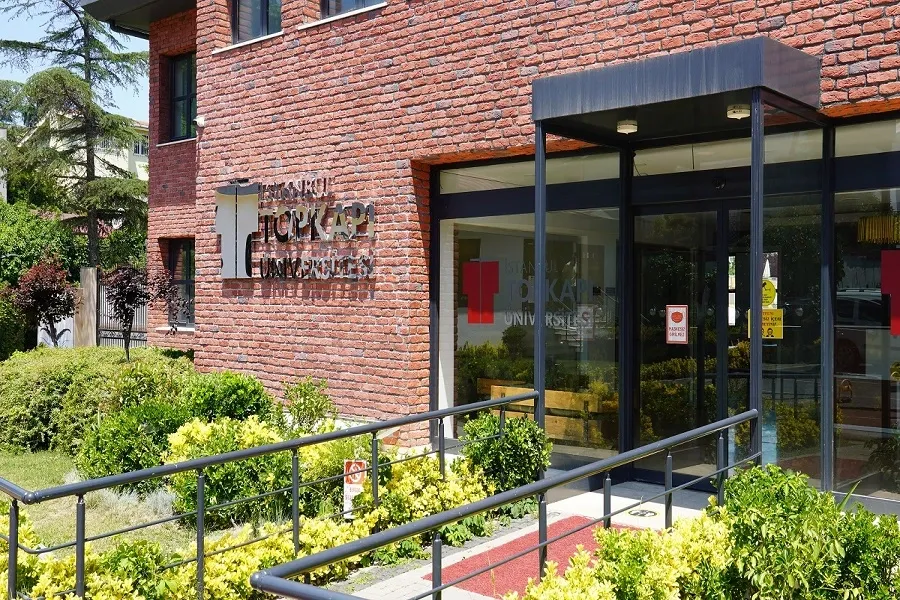
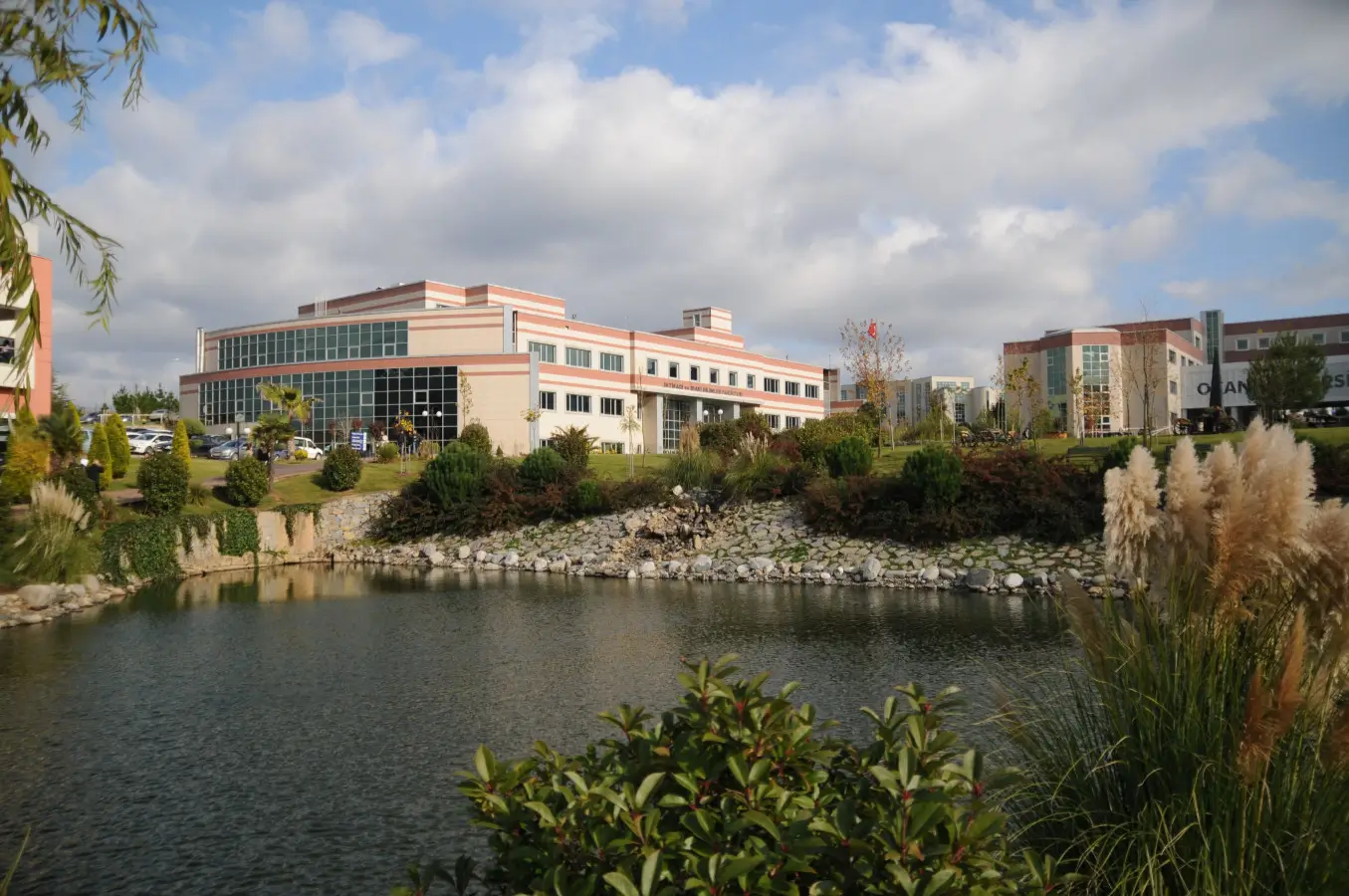
Fees are the universities’ own list prices, checked on 29 September 2026. “On request” means the university publishes no fee with a 2026–27 label; ask it for a written quote.
Budgeting for 2026–27
Dated 2026–27 bachelor’s fees on this page: Okan $4 500 a year, İstinye $7 000, Bahçeşehir $8 500 and Bilgi $12 000. İstinye’s master’s costs $8 500 for the whole thesis programme, and Okan’s Fashion Design master’s $4 500. Haliç, Nişantaşı and Topkapı do not publish a fee labelled for 2026–27, so request written quotes. Allow for fabric and printing costs for studio projects, especially in the final year, on top of housing, health insurance and the residence permit.
Common questions
Yes. Bahçeşehir and Bilgi in Istanbul teach Fashion and Textile Design in English; the other universities listed here teach it in Turkish.
Dated bachelor’s fees range from $4 500 a year at Okan to $12 000 at Bilgi. Bahçeşehir charges $8 500 and İstinye $7 000.
Requirements vary by university. Even where it is not compulsory, a small portfolio of drawings and made pieces helps with interviews and scholarship decisions.
Fashion design focuses on garments and collections; textile design focuses on fabrics, weaving, knitting and prints. Turkish departments usually combine both and let you lean one way in later years.
Yes, after a Turkish preparatory year. İstinye lists $3 000 and Okan $2 000 for that year in 2026–27.
Yes, in Turkish: İstinye, Okan, Haliç and Nişantaşı run master’s programmes, and Haliç offers a PhD.
Planning to study fashion design in Turkey?
A personal strategy, requirement checks, selection of agreed options, document preparation, applications, and support are provided under an agreement with StudyU. The university decides admission and portfolio assessment, and the migration authority decides the residence permit.
Official sources
- YÖK Atlas: official program catalogue — program availability, institution and stated language of instruction. International quotas and tuition require the university's own current source.
- YÖK: official international-student information — the official university search route and general international-student guidance. The chosen university still owns its admission requirements.
- ÖSYM: official TR-YÖS exam (2026) — the official calendar and application route for TR-YÖS/1 in 2026. Each university publishes whether the result is required for the selected program.
Also checked on 29 September 2026 on the institutions’ own sites:
- BAU: language proficiency scores (int.bau.edu.tr) — accepted English tests and minimum scores by programme group.
- Istanbul Bilgi University: international admission procedure (bilgi.edu.tr) — minimum SAT 1000, ACT 18, IB 28 and 50% school GPA, including for the Russian attestat.
- Istanbul Bilgi University: admission requirements (bilgi.edu.tr) — documents and accepted English certificates (TOEFL iBT 75, PTE Academic 60).
- BAU International: Textile and Fashion Design (int.bau.edu.tr) — English teaching, four-year duration, Beşiktaş North campus and Erasmus partner institutions.
- Topkapı University: Textile and Fashion Design (Turkish) (aday.topkapi.edu.tr) — programme description and Sütlüce campus.
- Bahçeşehir University (BAU): 2026–27 tuition fees (int.bau.edu.tr) — fee basis and academic-year label used in the table above.
- Istanbul Bilgi University: 2026–27 undergraduate tuition for international students (PDF) (bilgi.edu.tr) — fee basis and academic-year label used in the table above.
- Istanbul Okan University: 2026–27 tuition fees (study.okan.edu.tr) — fee basis and academic-year label used in the table above.
- İstinye University: 2026–27 quotas and tuition fees (international.istinye.edu.tr) — fee basis and academic-year label used in the table above.
- Haliç University: international tuition fees (academic year not stated) (international.halic.edu.tr) — fee basis and academic-year label used in the table above.
- Nişantaşı University: application portal with programme fees (academic year not stated) (apply.nisantasi.edu.tr) — fee basis and academic-year label used in the table above.
- Topkapı University: tuition fees and quotas (no extractable current table) (topkapi.edu.tr) — fee basis and academic-year label used in the table above.
All fees are published in US dollars, so no currency conversion was applied. Confirm language, curriculum, quota and tuition with the university for your intake before paying.
Updated:
