
Perfusion in Turkey: the short answer
Perfusion is the health-science degree that trains perfusionists, the specialists who run the heart-lung machine and other extracorporeal circulation systems during open-heart surgery. In Turkey it is a four-year bachelor's taught in Turkish: Üsküdar University lists it at $4 200 a year for 2026–27, and İstanbul Gelişim University's latest published list (2025–26) shows $3 500. It suits applicants who want a technical, high-responsibility role in the cardiac operating theatre without studying medicine.
| Question | Answer |
|---|---|
| Degree and length | Bachelor's (lisans), 4 years |
| Teaching language | Turkish |
| What perfusionists do | Operate heart-lung machines, monitor blood gases and anticoagulation, support ECMO and other circulatory devices |
| Published tuition | $4 200 a year at Üsküdar (2026–27); $3 500 at Gelişim (2025–26 list) |
| Clinical training | Placements in cardiovascular surgery units, heaviest in the final year |
| Right to practise | Set by the health regulator of the country where you work |
In several countries perfusion is taught only after a first degree in a health or science field, so a Turkish perfusion bachelor’s is a comparatively direct route into the profession. The flip side is recognition: several countries require national certification, supervised clinical cases or a local exam before a foreign-trained perfusionist can work.
What you study
The programme combines medical sciences with the technology of extracorporeal circulation. Early years cover anatomy, physiology, biochemistry and pharmacology; later years move to cardiac surgery, perfusion techniques, blood management and mechanical circulatory support, taught in simulation labs and then in operating theatres under supervision.
- Anatomy and physiology
- Medical biology and genetics
- Basic chemistry and biochemistry
- Medical terminology
- Cardiovascular physiology
- Pharmacology and anticoagulation
- Haematology and transfusion basics
- Introduction to extracorporeal circulation
- Perfusion techniques and circuit set-up
- Paediatric perfusion
- Myocardial protection and cardioplegia
- Clinical practice in cardiac surgery
- ECMO and mechanical circulatory support
- Blood gas and monitoring
- Operating-theatre internship
- Graduation project
A good fit if you
- stay calm under pressure and like precise, protocol-driven work;
- are interested in cardiology and technology equally;
- can build clinical Turkish for teamwork in the operating theatre.
Consider another route if you
- want broad patient contact, where nursing or physiotherapy fits better;
- need an English-taught programme;
- cannot accept long surgeries, on-call duty and emergency shifts.
Entry requirements for international applicants
Private universities admit perfusion students mainly on school results; demand is high and quotas are small, so apply early.
- School certificate and transcript. Strong biology and chemistry matter. The Ministry of National Education issues the equivalence certificate (denklik) after admission.
- Exam scores. TR-YÖS or SAT are optional at many private universities and required at most state ones.
- Turkish. A Turkish certificate at the university’s level or its preparatory year; clinical placements require confident communication.
- Health documents. Expect a health report and vaccination records before operating-theatre placements.
The university decides admission and scholarships; the Presidency of Migration Management decides the student residence permit.
How to compare perfusion programmes
Clinical access is everything in perfusion training.
| What to check | Why it matters |
|---|---|
| Cardiovascular surgery centres used for placements | Students need to observe and assist in many bypass cases |
| Simulation equipment | Perfusion simulators let students practise emergencies safely |
| Supervision by certified perfusionists | Close supervision builds competence and references |
| Final-year internship length | Longer theatre time eases recognition abroad |
| Graduate options | A master’s opens teaching, research and senior clinical roles |
Budget for a Turkish preparatory year if needed, plus scrubs and textbooks; clinical placements are in Istanbul hospitals, so living in the city is practical.
Universities offering Perfusion
Both listed programmes are Turkish-taught four-year bachelor's degrees; fees are annual list prices.
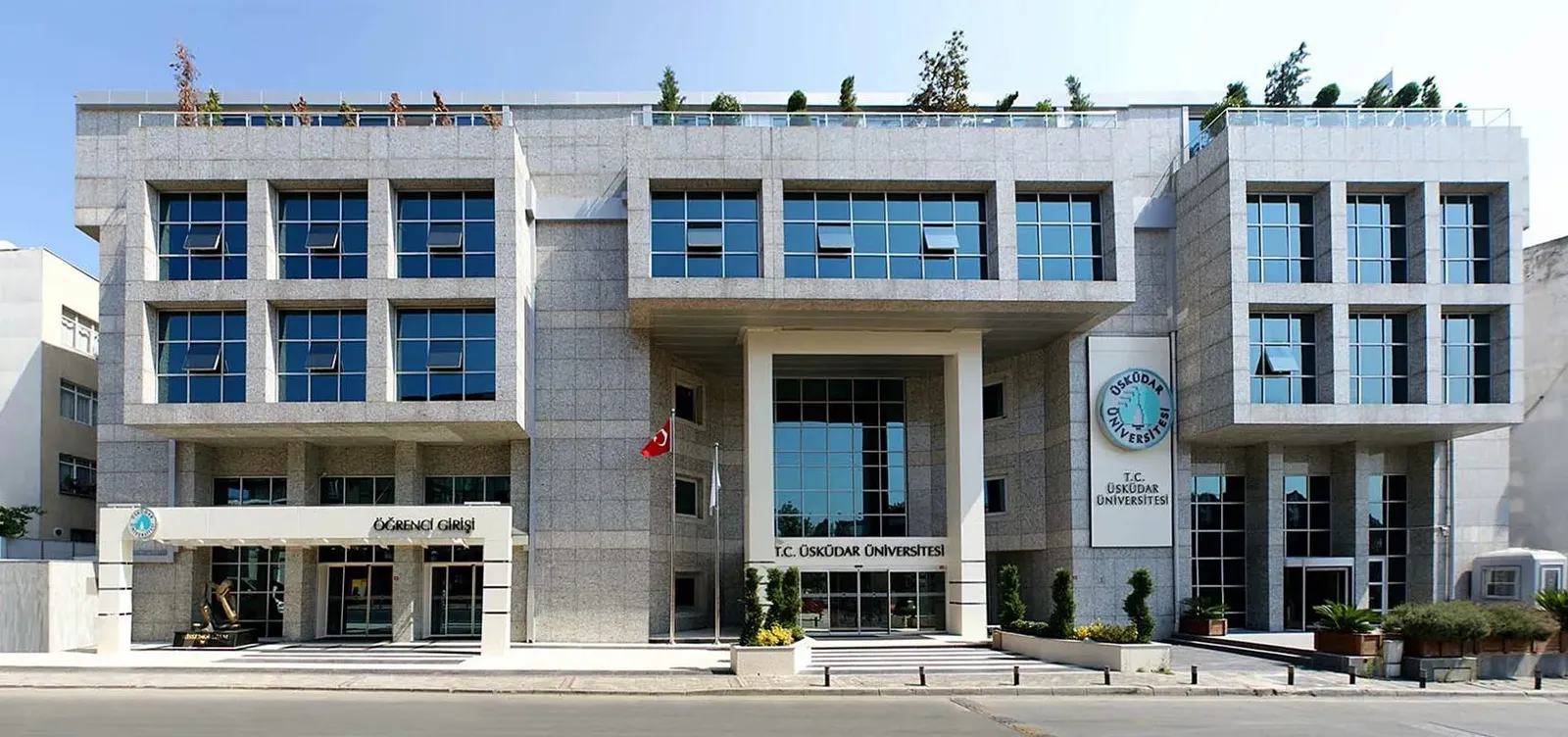
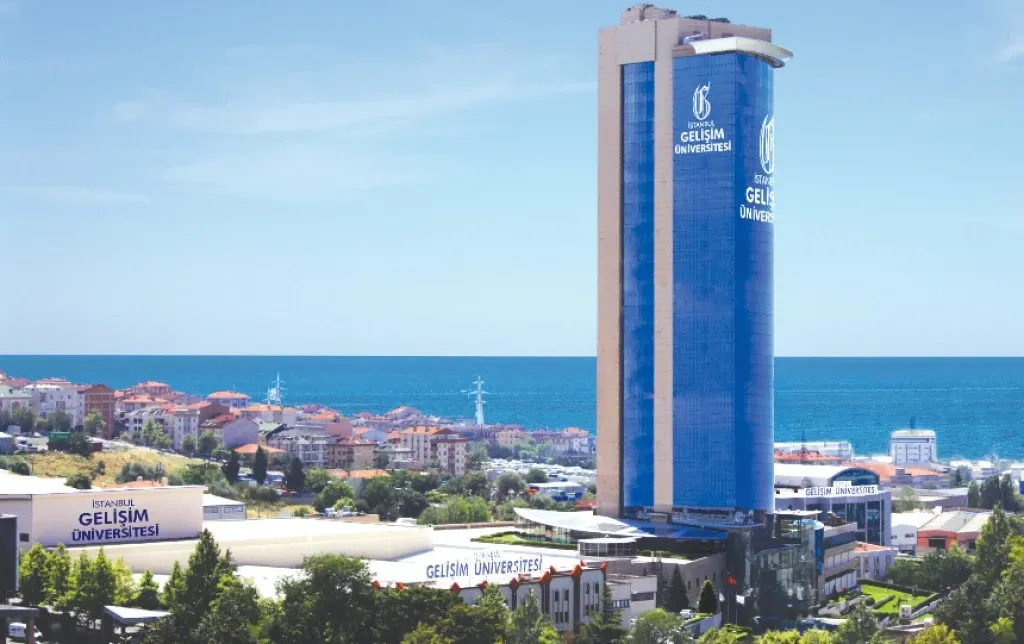
| University | Degree | Language | Tuition |
|---|---|---|---|
| Uskudar University | Bachelor | Turkish | $4 200/yr (2026–27) · fee source |
| Gelisim University | Bachelor | Turkish | $3 500/yr (2025–26 list, latest published) · fee source |
Üsküdar also publishes an advance-payment price of $3 800 for 2026–27. Gelişim had not published a 2026–27 list when we checked on 29 September 2026, so ask it for the fee for your intake.
Careers and the right to practise
Perfusionists work in cardiovascular surgery departments of university and private hospitals, in paediatric cardiac centres, in ECMO and intensive-care teams, and for medical-device companies that supply oxygenators and pumps as clinical specialists. The profession is small, which keeps demand steady wherever cardiac surgery is performed.
In Turkey, foreign graduates need a work permit and the authorisations required for health professionals. Abroad, perfusion is often regulated through national boards or professional certification that ask for a set number of clinical cases and an exam. Check your destination country’s requirements before enrolment, and keep a logbook of every case during your placements.
Budgeting beyond tuition
Tuition is only part of the cost. If you need Turkish first, Üsküdar lists its Turkish language course (TÖMER, levels A1–B2) at $1 500 for 2026–27, and Gelişim’s 2025–26 list charges $1 750 for a year of Turkish preparatory school. Add housing, food, transport, health insurance and the residence-permit card, which vary by district and are not set by the university. Ask the university whether clinical placements require extra uniforms, vaccinations or transport to partner hospitals.
Perfusion in Turkey: questions applicants ask
A perfusionist runs the heart-lung machine during open-heart surgery and manages related circulatory-support devices such as ECMO, working with the surgeon and anaesthetist.
Not at the universities listed here; both programmes are Turkish-taught.
Üsküdar lists $4 200 a year for 2026–27. Gelişim’s most recent published list, for 2025–26, shows $3 500.
No. Cardiology technicians work with diagnostic tests such as ECG and echocardiography; perfusionists operate life-support circulation during surgery.
Recognition depends on the destination country, which may require certification, a case log or an exam.
Programme comparison, eligibility checks, document preparation and application follow-up are provided under an agreement with StudyU. The university decides admission.
Considering perfusion in Turkey?
During the free initial consultation, we clarify your goal, profile, timing, and budget and identify the next realistic step. A personal strategy, requirement checks, selection of agreed options, document preparation, applications, and support are provided under an agreement with StudyU.
Official sources
- YÖK Atlas: official program catalogue — program availability, institution and stated language of instruction. International quotas and tuition require the university's own current source.
- YÖK: official international-student information — the official university search route and general international-student guidance. The chosen university still owns its admission requirements.
- ÖSYM: official TR-YÖS exam (2026) — the official calendar and application route for TR-YÖS/1 in 2026. Each university publishes whether the result is required for the selected program.
Tuition figures come from the universities’ own fee lists for international students: Üsküdar University: 2026–2027 international tuition fees; İstanbul Gelişim University: international fee list (PDF). Where a list is available online, the fee cell in the table links to it. All fees are published in US dollars, so no currency conversion was applied. Fees were checked on 29 September 2026; confirm language, curriculum, quota and tuition with the university for your intake before paying.
Updated:
