
Biomedical engineering in Turkey: the short answer
Biomedical engineering is a four-year engineering bachelor's that applies electronics, mechanics, materials and software to medicine: diagnostic devices, medical imaging, biosignals, implants, prosthetics and hospital technology. Most private universities in Istanbul teach it in English; published international fees on this page run from $5,000 a year (Biruni and Yeni Yüzyıl, 2026/27) to $16,500 a year at TOBB ETÜ in Ankara.
It is an engineering degree, not a clinical one. Graduates design, test, maintain and certify medical equipment; they do not diagnose or treat patients. If you want to work with living cells, bioprocesses and genetic engineering rather than devices, compare it with bioengineering or genetics and bioengineering.
How the degree is organised
The first two years look like any electrical or mechanical engineering start: calculus, physics, chemistry, programming and circuit analysis, joined by anatomy and physiology so that you learn how the body works before you design for it. The third year brings the specialist core: biomedical instrumentation, biosignal processing, biomechanics, biomaterials and medical imaging.
The final year is built around electives and a design project, often a working prototype such as a sensor, a rehabilitation device or an image-analysis tool. Summer internships in hospital clinical-engineering departments or medical-device companies are usual, and they are the easiest way to see which branch suits you.
- Calculus and linear algebra
- Physics and chemistry
- Programming
- Introduction to biomedical engineering
- Circuit analysis and electronics
- Anatomy and physiology
- Signals and systems
- Materials science
- Biomedical instrumentation
- Biosignal processing
- Biomechanics and biomaterials
- Medical imaging systems
- Medical-device design and regulation
- Clinical engineering
- Electives (AI in health, rehabilitation technology)
- Graduation design project
Who biomedical engineering suits
Choose it if you…
- You like mathematics, physics and electronics and want to apply them to health care.
- You are curious about how devices such as ECG monitors, MRI scanners or insulin pumps work.
- You are comfortable with lab work, coding and long design projects.
Worth a pause if…
- You want to treat patients; medicine, physiotherapy or nursing lead there.
- You dislike mathematics and physics; they carry the first two years.
Entry requirements for international students
Private universities admit biomedical engineering applicants on the school certificate and transcript or on international exam results such as SAT, A levels, IB or TR-YÖS where the university accepts them. Mathematics and physics grades matter most.
- School documents: certificate and transcript (the 11-year certificate for applicants from Russia and CIS countries), certified translations and, at registration, the equivalence document from the Ministry of National Education.
- English: for English-taught programmes, an accepted TOEFL iBT or IELTS result or the university's own proficiency exam; otherwise a preparatory English year comes first.
- Turkish: Turkish-taught options such as Yeni Yüzyıl and TOBB ETÜ need an accepted Turkish level or a year of Turkish preparation.
- Master's: a related engineering or science bachelor's; Biruni, for example, lists an English-taught non-thesis master's in biomedical engineering.
How to compare biomedical engineering programmes
- Hospital links: a university hospital or partner hospitals give access to clinical-engineering internships and real devices.
- Laboratories: ask about biosignal, biomechanics and biomaterials labs, and whether undergraduates use them outside scheduled classes.
- Accreditation: check whether the programme holds MÜDEK engineering accreditation or is preparing for it.
- Language and fee basis: compare the English-taught options on total cost, including a preparatory year if you need one.
- Scholarships: TOBB ETÜ, Yeni Yüzyıl and Atlas publish scholarship or advance-payment reductions; the university decides who receives them.
Careers after biomedical engineering
Graduates work as clinical engineers in hospitals, as field-service, application or sales engineers for medical-device companies, in regulatory affairs and quality assurance, and in research and development for imaging, implant or health-software firms. A master's helps for R&D and specialist roles such as medical imaging or neural engineering.
No personal licence is needed to work on medical devices, but the industry is heavily regulated: familiarity with standards such as ISO 13485 and with European MDR or US FDA rules makes a junior engineer more employable. If you plan to work abroad, check how that country recognises a Turkish engineering degree before enrolling.
Universities offering biomedical engineering
Published annual tuition for international students and the year each fee applies to.
| University | Degree | Language | Tuition (academic year) |
|---|---|---|---|
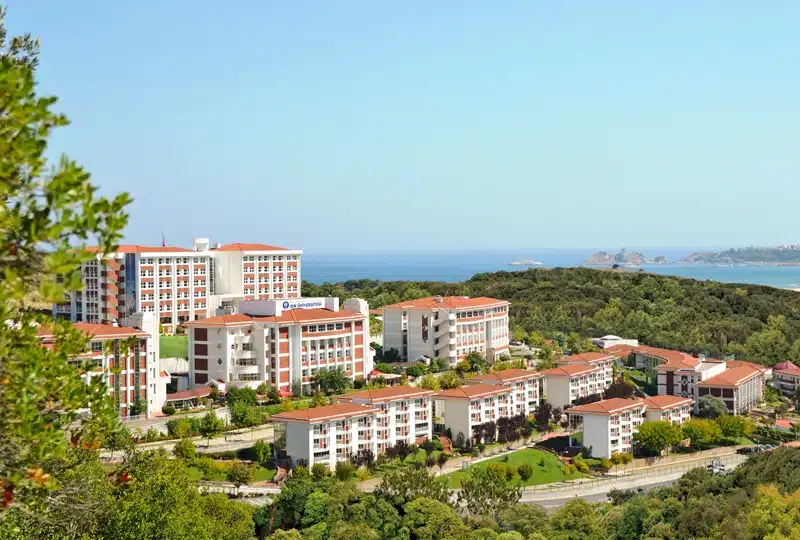
| Biruni University | Bachelor | English | $5,000/yr · 2026/27 · official fee |
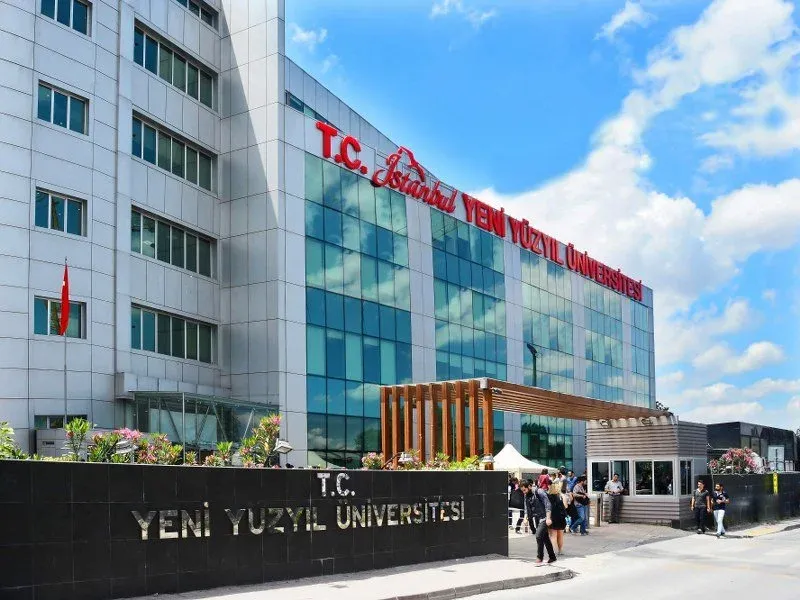
| Yeni Yuzyil University | Bachelor | Turkish | $5,000/yr · 2026/27 · official fee |
| Atlas University | Bachelor | English | $6,300/yr · current list |
| Medipol University | Bachelor | English | $6,500/yr · 2026/27 · official fee |
| Istinye University | Bachelor | English | $8,000/yr · 2026/27 · official fee |
| Bahcesehir University | Bachelor | English | $9,000/yr · 2026/27 · official fee |
| TOBB University of Economics and Technology | Bachelor | Turkish | $16,500/yr · current list · official fee |
| Biruni University | Master | English | $4,000 (non-thesis) · 2026/27 · official fee |
Advance payment lowers several fees: Biruni to $4,500, Medipol to $5,850 and Atlas to $4,820 (Atlas also lists $5,670 with its 10% scholarship; its fee list prints no academic year). Yeni Yüzyıl publishes a 50% scholarship rate of $2,500. TOBB ETÜ applies one fee to all its bachelor's programmes except medicine and offers merit discounts of 25%, 50% or 75%.
Budget separately for a preparatory language year, housing, health insurance, the residence permit and a laptop able to run engineering software.
How StudyU helps biomedical engineering applicants
A personal strategy, requirement checks, selection of agreed options, document preparation, applications, and support are provided under an agreement with StudyU. For biomedical engineering we compare hospital links, language of instruction and total cost across the universities above and check each one's current criteria before you apply. The university decides admission and scholarships, Türkiye's Ministry of National Education decides school-certificate equivalence, the consulate decides the visa, the migration authority issues the residence permit, and the dormitory or landlord confirms housing.
Biomedical engineering in Turkey: FAQ
Yes. Biruni, Atlas, Medipol, Istinye and Bahçeşehir list English-taught bachelor's programmes. You need an accepted English score or must pass the university's exam.
Published fees start at $5,000 a year at Biruni and Yeni Yüzyıl for 2026/27 and reach $9,000 at Bahçeşehir; TOBB ETÜ in Ankara lists $16,500.
No. Biomedical engineering centres on medical devices, imaging and biosignals; bioengineering centres on cells, bioprocesses and biotechnology.
Mathematics and physics matter more. Anatomy and physiology are taught from scratch in the first years.
Yes, as a clinical engineer responsible for selecting, maintaining and safely operating medical equipment, not as a clinician.
Yes. Biruni lists an English-taught non-thesis master's at $4,000 for 2026/27.
Ready to study Biomedical Engineering in Turkey?
During the free initial consultation, we clarify your goal, profile, timing, and budget and identify the next realistic step.
Official sources
- YÖK Atlas: official program catalogue — program availability, institution and stated language of instruction. International quotas and tuition require the university's own current source.
- YÖK: official international-student information — the official university search route and general international-student guidance. The chosen university still owns its admission requirements.
- ÖSYM: official TR-YÖS exam (2026) — the official calendar and application route for TR-YÖS/1 in 2026. Each university publishes whether the result is required for the selected program.
Fees and requirements on this page come from the official documents below; where a university publishes its fee list online, the link sits next to the amount in the table above.
- Biruni University: 2026/27 tuition — Biomedical Engineering (English) $5,000, $4,500 with advance payment; non-thesis master's (English) $4,000.
- Yeni Yüzyıl University: 2026/27 undergraduate fees — Biomedical Engineering $5,000, $2,500 with the 50% scholarship.
- Atlas University: international programme fee list — Artificial Intelligence and Data Engineering and Biomedical Engineering (English) $6,300; $5,670 with 10% scholarship; $4,820 with advance payment; no academic year printed.
- İstanbul Medipol University: 2026/27 tuition list — Biomedical Engineering (English) $6,500, $5,850 with advance payment.
- Istinye University: 2026/27 quotas and tuition — Biomedical Engineering (English) $8,000.
- Bahçeşehir University: 2026/27 tuition fees — School of Engineering and Natural Sciences $9,000 per year; programme list shows Biomedical Engineering taught in English.
- TOBB ETÜ: tuition fees and scholarships — $16,500 per year for bachelor's programmes except medicine; merit discounts of 25%, 50% and 75%.
- MÜDEK: engineering programme accreditation — list of accredited engineering programmes in Türkiye.
Fees above are published by the universities in US dollars, so no conversion is applied. For readers budgeting in euros, the ECB reference rate on 29 September 2026 was €1 = $1.1355. Fees and programme lists were checked on these pages on 29 September 2026; confirm the active intake before paying a deposit.
Updated:
