
Molecular Biology and Genetics in Turkey: the short answer
Molecular Biology and Genetics (MBG) in Turkey is a four-year laboratory science bachelor's offered in English at Atlas, Istinye, Bahcesehir, Kadir Has, Biruni, Uskudar and Halic, and in Turkish at Uskudar, Biruni, Yeni Yuzyil and Halic. Published 2026–27 fees for international students start at $4 200 a year for Uskudar's Turkish track and reach $9 000 at Bahcesehir; Kadir Has quotes $20 000 a year without naming the academic year. It suits students who want research, diagnostics or biotechnology careers and are ready to continue to a master's.
| Question | Answer |
|---|---|
| Degree and length | Bachelor of Science, 4 years (plus a preparatory year if your English or Turkish is below the entry level) |
| Teaching language | English-taught and Turkish-taught tracks both exist; the fee often differs |
| Where it sits | Faculty of Engineering and Natural Sciences or Faculty of Arts and Sciences |
| Practical work | Weekly lab courses, a research project and, at many universities, a compulsory internship |
| Published tuition, 2026–27 | $4 200–$9 000 per year at the universities with a dated 2026–27 list |
| Typical next step | MSc in genetics, biotechnology or bioinformatics, in Turkey or abroad |
MBG is a science degree, not a medical one. Graduates do not diagnose patients; they design and run the molecular analyses that clinicians, researchers and industry rely on.
Curriculum: from cell biology to genome analysis
The first year is shared with other life sciences: general biology, chemistry, physics and mathematics. Genetics and molecular techniques take over from the second year, and the final year is built around electives and an individual research project in a faculty laboratory.
- General biology and cell biology
- General and organic chemistry
- Calculus and physics for life sciences
- Laboratory safety and scientific writing
- Biochemistry
- Classical and molecular genetics
- Microbiology
- Biostatistics
- Gene expression and regulation
- Recombinant DNA and cloning techniques
- Immunology
- Introduction to bioinformatics
- Genomics and next-generation sequencing
- Electives: cancer biology, stem cells, plant biotechnology, neurogenetics
- Bioethics and biosafety
- Graduation research project
A good fit if you
- enjoy chemistry and biology at school and like precise, repetitive lab work;
- plan to continue to a master's or PhD;
- are curious about data: modern genetics depends on statistics and coding.
Think twice if you
- want direct patient care: consider medicine, nursing or physiotherapy instead;
- expect a well-paid job straight after the bachelor's without further study;
- dislike mathematics, because biostatistics and bioinformatics are compulsory.
Entry requirements for international applicants
Private universities in Turkey assess MBG applicants mainly on school results, especially biology, chemistry and mathematics. The typical application file looks like this:
- School documents: the secondary-school certificate (for Russian and CIS applicants, the 11-year attestat) with its grade sheet, translated into Turkish or English. After admission the Ministry of National Education (MEB) issues the equivalence certificate (denklik).
- Exams: SAT, TR-YÖS or national exam results are optional at many private universities but can raise scholarship chances; state universities normally require them.
- English-taught tracks: a recognised English score (universities list accepted tests such as TOEFL iBT or IELTS) or a pass in the university's own proficiency exam; otherwise an English preparatory year comes first.
- Turkish-taught tracks: a Turkish certificate, often at B2, or the university's Turkish preparatory year.
- Graduate study: a bachelor's in biology, genetics, biochemistry or a related field, a transcript, statement of purpose and references; some institutes also ask for ALES and an interview.
The university decides admission and any scholarship, MEB decides the equivalence of your school certificate, and the Presidency of Migration Management decides the student residence permit.
How to compare MBG programmes
Two programmes with the same name can differ sharply in lab access and research culture. Ask each university these questions:
| Question | What a strong answer looks like |
|---|---|
| How many hours of hands-on lab per week? | Students run their own PCR, gel electrophoresis and cell-culture work, not demonstrations |
| Can undergraduates join faculty research? | Named research groups accept students from year 2 or 3 |
| Is there a compulsory internship? | Placement in a research institute, diagnostics lab or biotech company |
| Which bioinformatics tools are taught? | R or Python and sequence-analysis software, not only theory |
| English or Turkish track? | English eases a master's abroad; Turkish is often cheaper and helps local internships |
Universities offering Molecular Biology and Genetics
Bachelor's fees are annual list prices. Master's fees are for the whole programme where the university says so.
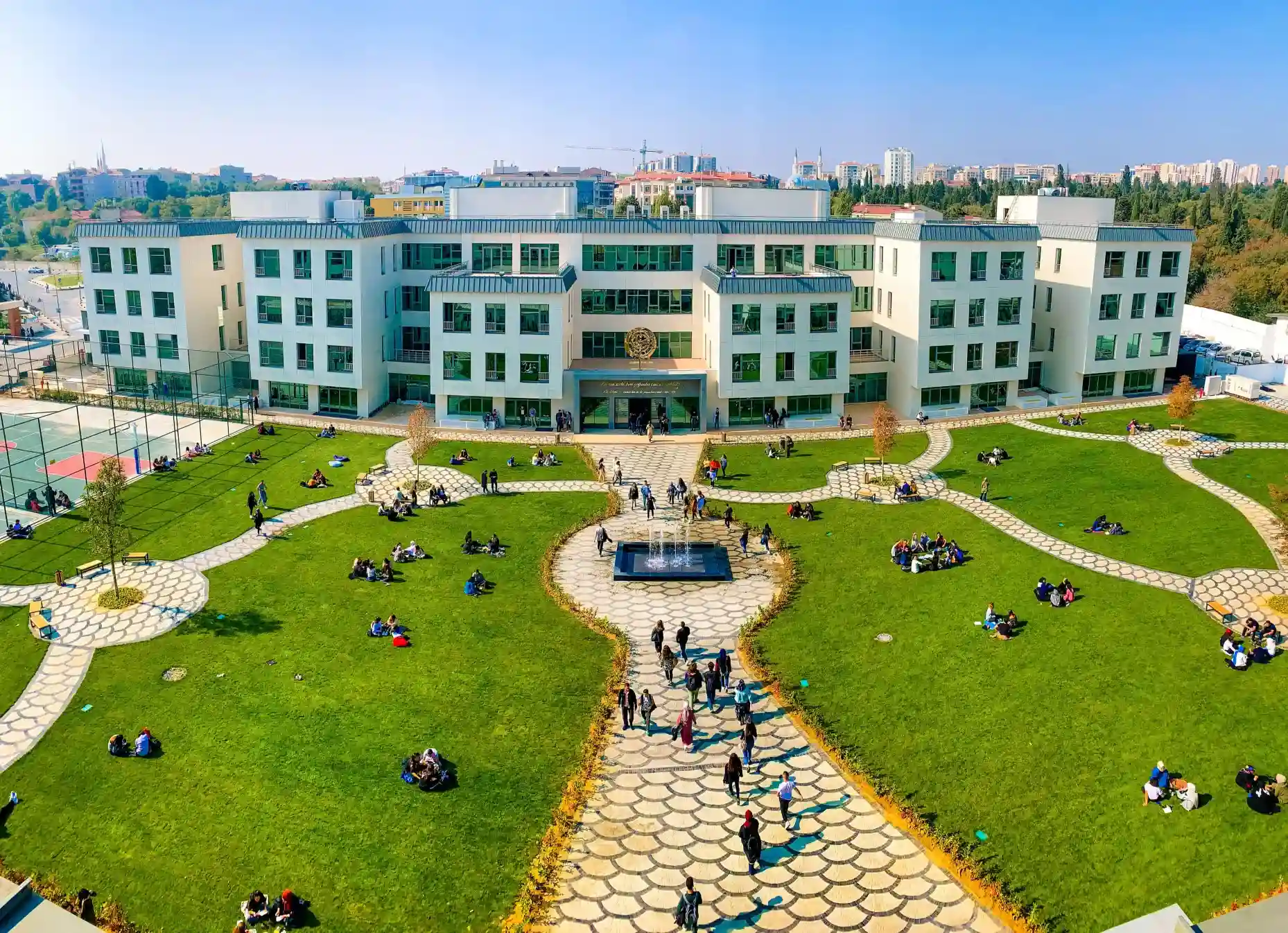
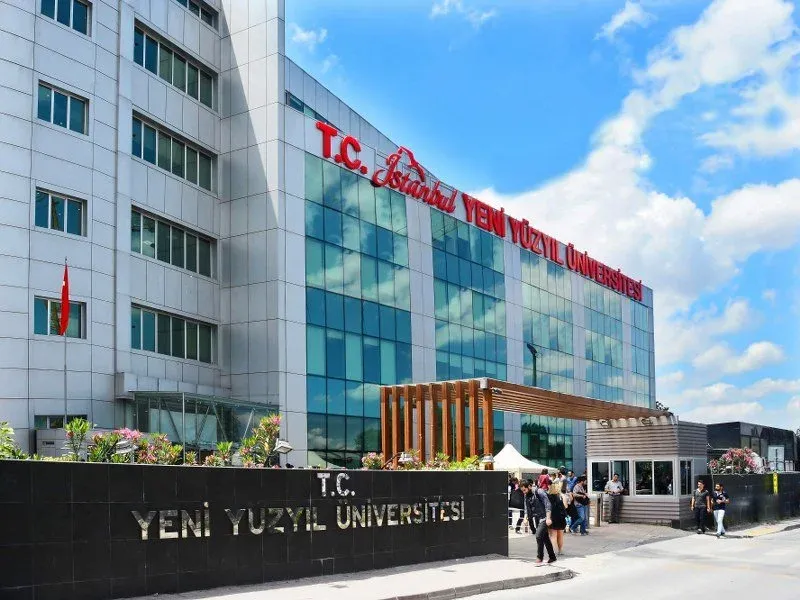
| University | Degree | Language | Tuition |
|---|---|---|---|
| Uskudar University | Bachelor | Turkish | $4 200/yr (2026–27) · fee source |
| Uskudar University | Bachelor | English | $5 000/yr (2026–27) · fee source |
| Biruni University | Bachelor | Turkish | $5 000/yr (2026–27) · fee source |
| Biruni University | Bachelor | English | $5 000/yr (2026–27) · fee source |
| Yeni Yuzyil University | Bachelor | Turkish | $5 000/yr (2026–27) · fee source |
| Atlas University | Bachelor | English | $5 550/yr (2026–27) |
| Istinye University | Bachelor | English | $8 000/yr (2026–27) · fee source |
| Bahcesehir University | Bachelor | English | $9 000/yr (2026–27) · fee source |
| Halic University | Bachelor | English | Fee on request · fee page (academic year not stated) |
| Kadir Has University | Bachelor | English | Fee on request · fee page (academic year not stated) |
| Uskudar University | Master | English | $4 800 whole programme, Molecular Biology thesis (2026–27) · fee source |
| Biruni University | Master | Turkish | $6 000 thesis track (2026–27) · fee source |
| Atlas University | Master | English | $7 415 thesis track (2026–27) · fee source |
| Istinye University | Master | English | $8 500 whole programme, thesis (2026–27) · fee source |
| Halic University | Master | Turkish | Fee on request · fee page (academic year not stated) |
Fee basis: published list prices for new international students, checked on 29 September 2026. Uskudar, Biruni, Yeni Yuzyil, Atlas, Istinye and Bahcesehir label their lists 2026–27. Yeni Yuzyil and Biruni also show scholarship or cash-payment prices, and Kadir Has advertises its own scholarships; the university alone decides who receives them.
Careers and further study
With a bachelor's, graduates usually start as research assistants, laboratory specialists in molecular diagnostics, quality-control staff in pharmaceutical or food companies, or sales and application specialists for laboratory-equipment suppliers. Senior research and development roles generally require a master's or PhD, so treat the bachelor's as the first stage of a longer path.
In clinical settings, medical genetics is a physician specialty; MBG graduates work in the laboratory team under the rules of the country's health regulator. If you plan to work in Russia, the EU or elsewhere, check how that country recognises a Turkish science degree and whether laboratory roles need an extra certificate.
Molecular Biology and Genetics in Turkey: questions applicants ask
Yes. English-taught MBG bachelor's degrees are listed at Atlas, Istinye, Bahcesehir, Kadir Has, Biruni, Uskudar and Halic, among others; you need an accepted English score or a preparatory year.
Among fees labelled 2026–27, Uskudar and Biruni each publish $5 000 a year for their English tracks, and Atlas lists $5 550. Halic and Kadir Has publish fees without an academic year, so request a dated quote before comparing them.
No. MBG does not lead to a medical licence. If you want to treat patients, apply to medicine directly; MBG suits laboratory, research and biotechnology careers.
Four years of study, preceded by a one-year preparatory programme if your English or Turkish does not meet the entry level.
Most research and development roles expect one. The bachelor's alone usually leads to technician, laboratory-specialist or industry support roles.
Programme comparison, eligibility checks, document preparation and application follow-up are provided under an agreement with StudyU. The university decides admission and scholarships.
Comparing MBG programmes in Turkey?
During the free initial consultation, we clarify your goal, profile, timing, and budget and identify the next realistic step. A personal strategy, requirement checks, selection of agreed options, document preparation, applications, and support are provided under an agreement with StudyU.
Official sources
- YÖK Atlas: official program catalogue — program availability, institution and stated language of instruction. International quotas and tuition require the university's own current source.
- YÖK: official international-student information — the official university search route and general international-student guidance. The chosen university still owns its admission requirements.
- ÖSYM: official TR-YÖS exam (2026) — the official calendar and application route for TR-YÖS/1 in 2026. Each university publishes whether the result is required for the selected program.
Tuition figures come from the universities’ own fee lists for international students: Üsküdar University: 2026–2027 international tuition fees; Biruni University: Tuition Guidelines 2026–2027; İstanbul Yeni Yüzyıl University: 2026–2027 undergraduate fees (PDF); Atlas University: University Profile 2026–2027 with programme fees (PDF); İstinye University: quotas and tuition fees for 2026–2027 entrants; Bahçeşehir University (BAU): 2026–2027 tuition fees; Haliç University: tuition fees; Kadir Has University: tuition fee and scholarships. Where a list is available online, the fee cell in the table links to it. All fees are published in US dollars, so no currency conversion was applied. Fees were checked on 29 September 2026; confirm language, curriculum, quota and tuition with the university for your intake before paying.
Updated:
