
Radio, Television and Cinema in Turkey: the short answer
Radio, Television and Cinema (Radyo, Televizyon ve Sinema, often shortened to RTC or RTS) is a four-year bachelor's in a faculty of communication that covers broadcasting, audio and podcasting, television and film production, media theory and media industries. English-taught options for 2026/27 are Istinye University at $7,000 a year and Bilgi University's Radio, Television and Film at $12,000; Turkish-taught programmes start at $3,500 on Gelisim's 2025/26 list.
If you mainly want to direct or shoot films, compare the film-school style degrees on our Film and Television page; RTC programmes give you a wider media base with film as one strand.
What an RTC degree covers: Istinye's English plan
Istinye's English-taught plan shows the typical mix. The first year is communication theory and media basics (photography, media aesthetics, media law and ethics, computer graphics, media and film history). The second year brings the practical tools: screenwriting, editing, sound design, radio broadcasting and podcasting, and writing for television series.
From the third year the programme combines world and documentary cinema, the political economy of media and a short-film course with a long elective list that includes augmented and virtual reality, virtual filmmaking, AI and moving images, news writing and game studies. The last year is a graduation project, an internship and communication practice.
- Introduction to Communication
- Media and Communication Theories
- Basic Photography, Computer Graphics
- Film History and Media History
- Screenwriting and Editing Techniques
- Radio Broadcasting and Podcast
- Sound Design and Film Theory
- Writing for TV Series
- World Cinema and Documentary Film
- Short Film: Style and Narrative
- Political Economy of Media
- Electives: virtual filmmaking, XR, news
- Graduation Project and Senior Graduation Project
- Internship
- Communication Practices
- Media and Sustainability
Who RTC suits
A strong match if you…
- Are curious about several formats (radio, podcasts, series, documentaries) and not yet set on one.
- Enjoy writing and research as much as operating equipment.
- Want a communication degree that keeps doors open to TV channels, streaming and agencies.
Less suitable if you…
- Only want to make feature films; a film-school programme gives more production hours.
- Prefer digital marketing and social platforms; New Media and Communication fits better.
How to compare RTC programmes
- Teaching language: only Istinye and Bilgi teach the degree in English in our catalogue; everything else needs Turkish at B2.
- Studio time: ask how many hours a week first-years get in the TV and radio studios, and whether equipment can be borrowed for personal projects.
- Fee list year: Istinye, Bilgi, Uskudar, Medipol and Yeni Yuzyil have published 2026/27 fees; Altinbas and Gelisim still show 2025/26 lists.
- Internship: Istinye builds an internship into the final year; check whether the university helps place you at a channel or production company.
- Elective depth: newer topics such as virtual production and XR vary a lot between programmes.
Entry requirements
RTC programmes admit international applicants on the school diploma and transcript, sometimes with international exam scores instead. Istinye, for example, applied a minimum school average of 50% (or SAT, ACT, IB or TR-YÖS alternatives) in 2025/26 and says its criteria will be updated for 2026/27 under YÖK rules. For English-taught programmes you also need an accepted English test or the university's own exam; for Turkish-taught programmes, B2 Turkish or a preparatory year.
Careers after Radio, Television and Cinema
Graduates work as programme producers and assistant directors for TV channels and streaming platforms, as editors and sound designers, in radio and podcast production, in news and documentary teams, and in advertising and corporate video. Some move into media planning or research, or continue with a master's in cinema or media studies.
Many roles are contract-based, and a portfolio of produced work matters as much as the diploma. Working in Turkey after graduation requires a work permit obtained through the employer.
Universities offering Radio, Television and Cinema
Published annual tuition for international students, with the year of each list.
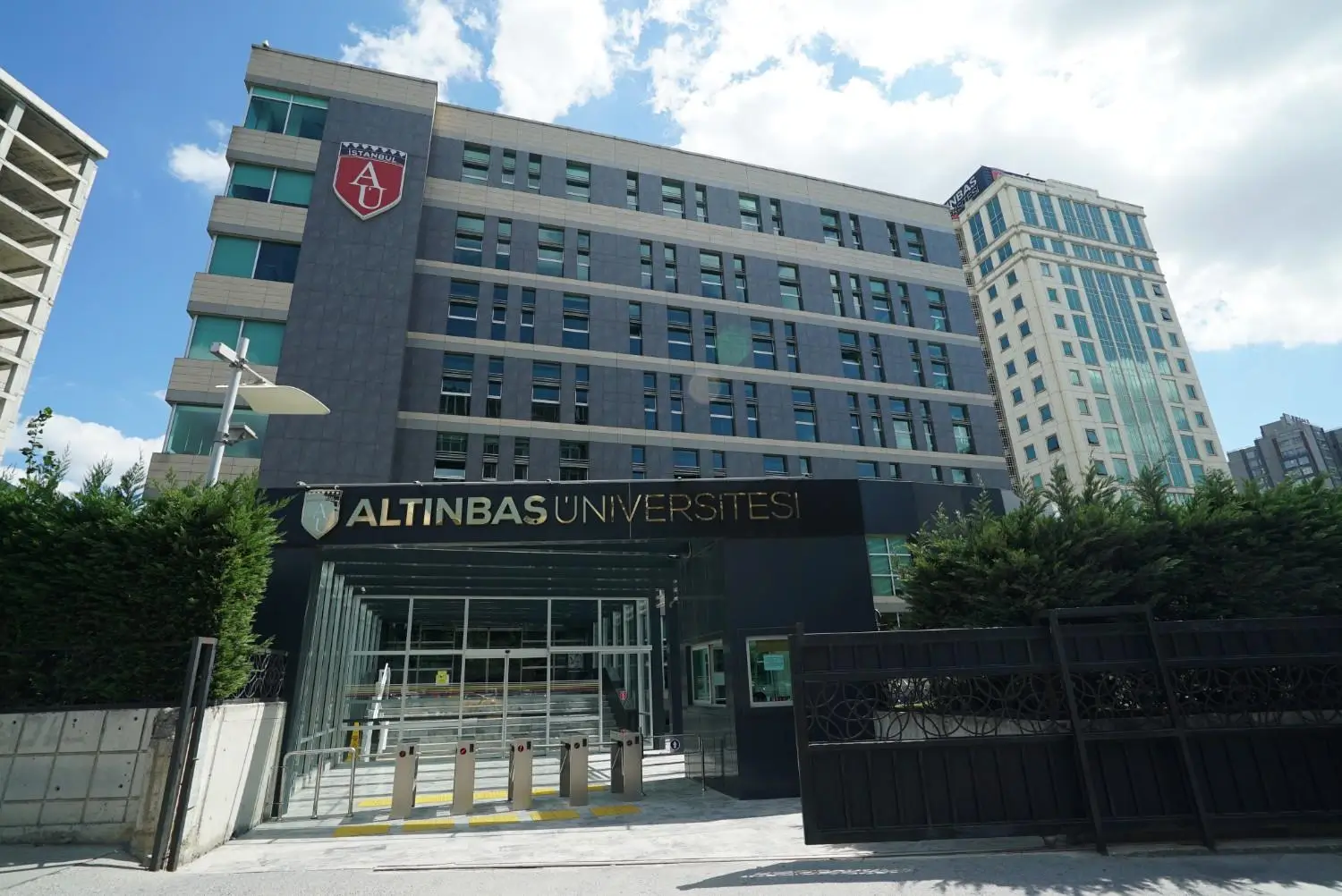
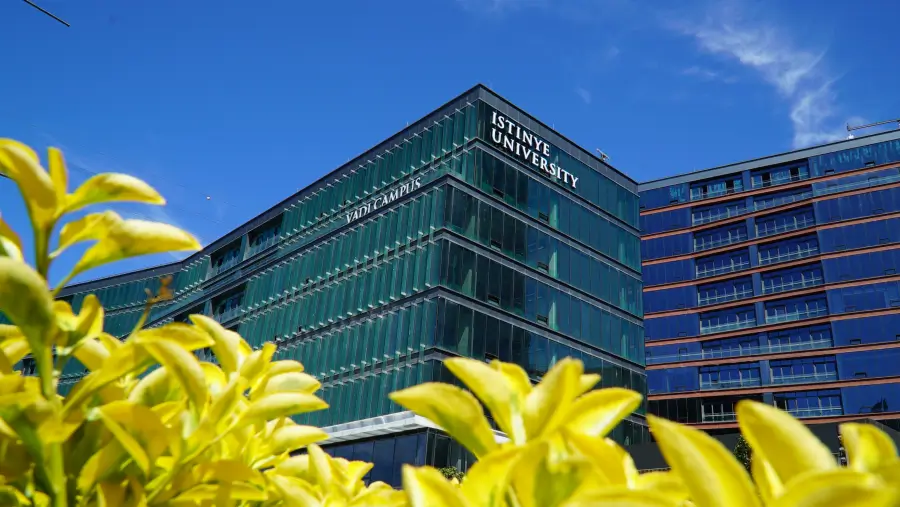
| University | Degree | Language | Tuition (academic year) |
|---|---|---|---|
| Gelisim University | Bachelor | Turkish | $3,500/yr · 2025/26 list · official fee |
| Uskudar University | Bachelor | Turkish | $4,200/yr · 2026/27 · official fee |
| Yeni Yuzyil University | Bachelor | Turkish | $5,000/yr · 2026/27 · official fee |
| Altinbas University | Bachelor | Turkish | $5,000/yr · 2025/26 list · official fee |
| Medipol University | Bachelor | Turkish | $5,500/yr · 2026/27 · official fee |
| Istinye University | Bachelor | English | $7,000/yr · 2026/27 · official fee |
| Bilgi University | Bachelor (Radio, Television and Film) | English | $12,000/yr · 2026/27 · official fee |
Several universities discount advance payment: Uskudar lists $3,800 instead of $4,200 and Medipol $4,950 instead of $5,500. Yeni Yuzyil's list shows $2,500 with its 50% scholarship. Bilgi also teaches Television Reporting and Programming in English at the same $12,000 fee, a closer fit if news is your focus.
How StudyU helps media applicants
A personal strategy, requirement checks, selection of agreed options, document preparation, applications, and support are provided under an agreement with StudyU. For RTC we match your interests (broadcast, audio, film or news) with the programme whose plan fits, confirm the language test each university accepts, and prepare the application file. Final answers come from others: the university on admission and discounts, the consulate on the student visa and the migration authority on residence.
Radio, Television and Cinema: FAQ
Istinye ($7,000 a year for 2026/27) and Bilgi, whose Radio, Television and Film costs $12,000.
Gelisim’s Turkish-taught programme, at $3,500 a year on its latest (2025/26) list.
Partly. It includes film, but also radio, podcasts, television and media studies; film-only degrees go deeper into production.
At Istinye an internship is part of the final-year plan; other universities organise it differently.
Only for Turkish-taught programmes, where B2 is the usual level; the English tracks need an English score instead.
Producing, editing, sound, radio and podcast work, news and documentary teams, and agency video production.
Ready to apply for Radio, Television and Cinema?
During the free initial consultation, we clarify your goal, profile, timing, and budget and identify the next realistic step.
Official sources
- YÖK Atlas: official program catalogue — program availability, institution and stated language of instruction. International quotas and tuition require the university's own current source.
- YÖK: official international-student information — the official university search route and general international-student guidance. The chosen university still owns its admission requirements.
- ÖSYM: official TR-YÖS exam (2026) — the official calendar and application route for TR-YÖS/1 in 2026. Each university publishes whether the result is required for the selected program.
Official pages used for Radio, Television and Cinema on this page, all checked on 29 September 2026:
- Istinye University: 2026/27 fees (international.istinye.edu.tr) — Radio, Television and Cinema (English) $7,000 a year.
- Istinye University: RTC study plan (ois.istinye.edu.tr) — English-taught courses by semester and elective list.
- Istinye University: application criteria (international.istinye.edu.tr) — 2025/26 thresholds and note on 2026/27 updates.
- Bilgi University: 2026/27 undergraduate fees (bilgi.edu.tr) — Radio, Television and Film and Television Reporting and Programming (English) $12,000.
- Uskudar University: 2026/27 fees (international.uskudar.edu.tr) — Radio, Television and Cinema (Turkish) $4,200, advance payment $3,800.
- Medipol University: 2026/27 fee list (mio.medipol.edu.tr) — Radio Television and Cinema $5,500, advance payment $4,950.
- Yeni Yuzyil University: 2026/27 fees (international.yeniyuzyil.edu.tr) — $5,000 normal fee, $2,500 with 50% scholarship.
- Altinbas University: 2025/26 fees (international.altinbas.edu.tr) — Radio, Television and Cinema (Turkish) $5,000.
- Gelisim University: 2025/26 fees (international.gelisim.edu.tr) — Radio, Television and Cinema (Turkish) $3,500.
Tuition is quoted by each university in dollars and reproduced as published; for comparison, the ECB set €1 at $1.1355 on 29 September 2026.
Updated:
