
Exercise and Sports Sciences in Turkey at a glance
Exercise and Sports Sciences in Turkey is a four-year bachelor’s that studies how the body responds to training and how to plan exercise for health and performance. At the two Istanbul private universities listed here, Gelişim and Nişantaşı, it is taught in Turkish, so international students usually need a Turkish preparatory year first. Neither university has published a fee labelled for 2026–27, so ask each for a written quote.
- Length: four years, plus a Turkish preparatory year if needed.
- Core: anatomy, exercise physiology, biomechanics, training science, sports nutrition, measurement and evaluation, and exercise prescription.
- Where it sits: Gelişim teaches it in its Faculty of Sport Sciences; Nişantaşı in its School of Physical Education and Sports.
- Language reality: no English-taught version is listed at these universities, and fieldwork with clients and athletes happens in Turkish.
What the curriculum covers
The course mixes classroom science with practical sessions in gyms, pools and sports halls. A typical outline:
- Human anatomy
- Introduction to sports sciences
- Basic movement education and individual sports
- Turkish or academic writing
- Exercise physiology
- Kinesiology and biomechanics
- Team sports and swimming
- Growth and motor development
- Training science and periodisation
- Measurement and evaluation in sport
- Sports nutrition
- Exercise for special populations
- Exercise prescription for health
- Sports psychology
- Internship in a club, fitness centre or clinic
- Graduation project
Practical courses assume reasonable fitness. Ask how many practical hours each year involves and whether medical clearance is needed before enrolling.
Entry requirements for international applicants
- School certificate with transcripts; biology helps in the first year.
- Selection. Turkish school-leavers are placed in sports-science programmes through ÖSYM’s special-ability exam (ÖZYES). International applicants use the university’s own international quota, so ask whether a physical or ability test applies to you.
- Turkish. Bring a Turkish certificate at the level the university requires or plan for a preparatory year of Turkish.
- Health. A medical report confirming you can take part in sport is commonly requested at registration.
- After admission: diploma equivalence from the Ministry of National Education and a student residence permit.
How to compare programmes
- Facilities. Check for a performance laboratory, fitness and swimming facilities, and equipment such as force plates, gas analysers or motion capture.
- Specialisations. Some departments lean towards athletic performance, others towards public health, rehabilitation or recreation.
- Placements. Ask where students do internships: clubs, fitness chains, rehabilitation centres or municipal sports programmes.
- Related degrees. Coaching, Sports Management, Recreation and Physical Education Teaching are separate programmes with different career paths; compare them before choosing.
| Degree | Main focus | Typical first job |
|---|---|---|
| Exercise and Sports Sciences | Training science, exercise for health and performance | Exercise specialist, conditioning assistant |
| Coaching | Coaching methods for one or more sports | Assistant coach in a club or academy |
| Sports Management | Business, events and club administration | Club, event or facility operations |
| Recreation | Leisure, outdoor and community activity programmes | Activity coordinator in hotels, municipalities or camps |
| Exercise and Sports for Disabled | Adapted physical activity and disability sport | Adapted-exercise instructor |
The table is a simplified orientation; each university’s course catalogue shows how much the programmes overlap.
Careers after the degree
Graduates work as exercise specialists and personal trainers, strength and conditioning staff at clubs, fitness-centre managers, health-promotion workers, and assistants in sports laboratories and rehabilitation settings. With a master’s, research and university careers open up.
Coaching licences for specific sports are issued by national federations, and physical education teaching in state schools has separate rules, so a sports-science diploma alone does not qualify you for those roles. If you plan to work outside Turkey, check how your target country recognises the degree and whether it registers exercise professionals.
Who this degree suits
A good fit if you…
- are active and interested in the science behind training;
- are willing to study in Turkish;
- want to work with athletes or with people improving their health.
Think twice if you…
- need an English-taught programme;
- want to become a physiotherapist, which is a separate health degree;
- are not ready for practical sports sessions every week.
Universities offering Exercise and Sports Sciences
Two Istanbul private universities list the programme for international students, both in Turkish.
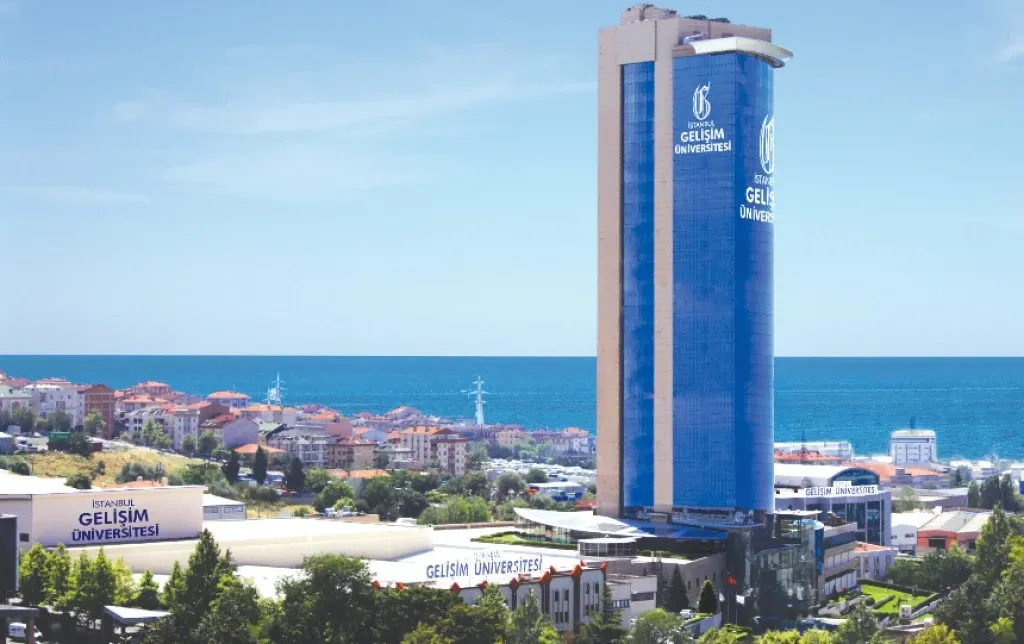
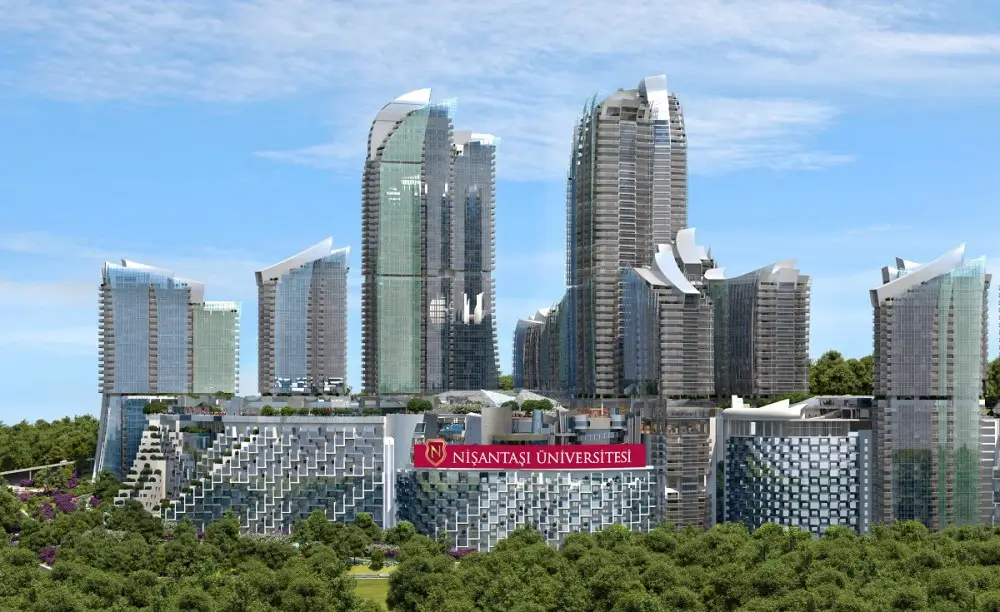
| University | Degree | Language | Tuition |
|---|---|---|---|
| Gelisim University | Bachelor | Turkish | 2026–27 fee on request · university fee list (latest is 2025–26) |
| Nisantasi University | Bachelor | Turkish | 2026–27 fee on request · university fee page (academic year not stated) |
Fees are the universities’ own list prices, checked on 29 September 2026. “On request” means the university publishes no fee with a 2026–27 label; ask it for a written quote.
Application steps and timing
- 9–12 months before the intake: decide between exercise science, coaching, sports management and physiotherapy, and start Turkish lessons.
- 6–9 months before: collect your certificate, transcripts and passport, and ask both universities for 2026–27 or 2027–28 quotes in writing.
- After the offer: pay the deposit only once the fee, language of instruction and preparatory-year conditions are confirmed in writing.
- Before arrival: obtain the student visa if your nationality needs one, then apply for the residence permit and start diploma equivalence after enrolment.
Mistakes to avoid
- Assuming a sports-science diploma makes you a licensed coach or a physiotherapist.
- Underestimating Turkish: anatomy, physiology and client work are all taught in it.
- Comparing universities on price alone without asking about laboratories and internship partners.
- Paying a deposit against a fee that is not labelled with an academic year.
Budgeting for 2026–27
Gelişim’s most recent published list is for 2025–26, and Nişantaşı’s application portal shows prices without an academic year, so neither gives a dated 2026–27 figure; request written quotes before paying a deposit. Add the Turkish preparatory year, sports kit and footwear for practical classes, housing, health insurance and the residence permit.
Common questions
Not at the universities listed here. Gelişim and Nişantaşı teach it in Turkish.
Neither university publishes a fee labelled for 2026–27, so ask each for a written quote.
ÖZYES places Turkish applicants. International students apply through the university’s own quota; ask whether it runs a physical or ability test.
Physiotherapy is a health-sciences degree that treats injury and disability. Exercise and sports sciences plans training and physical activity for health and performance.
Coaching licences are issued by sports federations; the degree helps but is not the licence itself.
Biology and physical education are the most useful, together with regular training in at least one sport.
Planning to study sports sciences in Turkey?
A personal strategy, requirement checks, selection of agreed options, document preparation, applications, and support are provided under an agreement with StudyU. The university decides admission and any ability test, the migration authority decides the residence permit, and sports federations decide coaching licences.
Official sources
- YÖK Atlas: official program catalogue — program availability, institution and stated language of instruction. International quotas and tuition require the university's own current source.
- YÖK: official international-student information — the official university search route and general international-student guidance. The chosen university still owns its admission requirements.
- ÖSYM: official TR-YÖS exam (2026) — the official calendar and application route for TR-YÖS/1 in 2026. Each university publishes whether the result is required for the selected program.
Also checked on 29 September 2026 on the institutions’ own sites:
- ÖSYM: 2026 special-ability exam for sports sciences (ÖZYES), Turkish (osym.gov.tr) — the national ability exam used to place Turkish applicants in sports-science programmes.
- Istanbul Gelişim University: international tuition fees (latest list is for 2025–26) (international.gelisim.edu.tr) — confirms both sports programmes are listed for international students in Turkish; no 2026–27 fee published.
- Nişantaşı University: application portal with programme fees (academic year not stated) (apply.nisantasi.edu.tr) — lists Exercise and Sports Sciences in Turkish under the School of Physical Education and Sports.
All fees are published in US dollars, so no currency conversion was applied. Confirm language, curriculum, quota and tuition with the university for your intake before paying.
Updated:
