
Coaching degrees in Turkey at a glance
A Coaching bachelor’s in Turkey is a four-year sports-science degree, usually taught in Turkish, that trains you to plan and run athletic training in one sport. Its Turkish name is Antrenörlük Eğitimi; universities translate it as Coaching Education or Coach Training. It is not a life-coaching or business-coaching qualification. For 2026–27, the only programme on this page with a dated public fee is Yeni Yüzyıl University at $5 000 a year; the other listed universities publish fees without a year label or not at all, so each needs a written quote.
- Length: eight semesters, plus a Turkish preparatory year if your Turkish is below the university’s entry level.
- Language: every programme in the table below is Turkish-taught; coaching sessions, practicum reports and federation courses are in Turkish too.
- Home faculty: a faculty or school of sport sciences, alongside Exercise and Sports Sciences, Recreation and Sports Management.
- Selection: the school certificate is the base; some universities add an interview, a sports CV or a physical aptitude step for this department.
What a coaching curriculum covers
Turkish coaching programmes move from the science of the body to the practice of running a squad. The first two years share most courses with other sport-science departments; from the third year you work mainly in your chosen branch (football, basketball, volleyball, swimming, athletics, combat sports and so on, depending on what the university staffs). The outline below shows the usual progression; each university publishes its exact course list in its Bologna information package.
- Human anatomy and exercise physiology
- Introduction to sport sciences and movement education
- Developmental psychology and pedagogy
- Basic motor skills and swimming or gymnastics
- Theory and methods of training
- Biomechanics and motor learning
- Tests and measurement in sport
- First aid and athlete safety
- Periodisation and season planning in your branch
- Sports nutrition and recovery
- Sport psychology and team communication
- Supervised coaching practice I
- Talent identification and youth development
- Performance analysis and load monitoring
- Supervised coaching practice II at a club or school
- Graduation project based on a real training cycle
Practice is the part that separates strong programmes from weak ones. Ask how many hours you will spend on the pitch, in the pool or in the hall with real athletes, who supervises you, and whether placements are with licensed clubs or only with the university’s own teams.
Entry requirements for international applicants
Turkish foundation universities set their own admission rules for international students, so the list below is what to prepare and check rather than one national standard.
- School certificate and transcript. A completed secondary-school certificate with grades. Applicants from Russia and other CIS countries with an 11-year certificate should confirm with the university that it is accepted for this department before applying.
- Exam scores. Some universities accept TR-YÖS or their own YÖS, others SAT or national exam results, and some admit on school grades alone. The 2026 TR-YÖS/1 sitting run by ÖSYM took place on 12 April 2026, so it is already behind you for the 2026 intake.
- Turkish. A C1-level certificate or the university’s own Turkish exam lets you start the degree directly; otherwise you join the Turkish preparatory programme first.
- Sport-specific steps. Because Turkish applicants to coaching departments normally sit a special aptitude test, ask whether international applicants face a physical test, an interview or a request for evidence of competitive experience, and whether a medical report is needed.
- After admission. Registration usually needs the equivalence certificate (denklik) for your school diploma from the Ministry of National Education, and you apply for a student residence permit after arriving.
How to compare coaching programmes
Price differences between these universities are real, but a coaching degree lives or dies on its practical side. Compare these points before you look at fees:
- Your sport. Get the list of branches with an active coaching track for your intake. A department with no football specialist staff will not turn you into a football coach.
- Facilities. Indoor halls, pool, athletics track, a strength and conditioning room, and a performance-testing lab (force plates, lactate or VO₂max testing) show how much of the curriculum is applied.
- Placements. Ask which clubs, academies and schools take students and how supervision is assessed.
- Accreditation. The Sports Sciences Association (SBD) is a programme accreditor currently registered with YÖKAK, the Turkish quality council. Ask whether the department holds or is preparing for that accreditation.
- Federation pathway. Coaching grades in Turkey are awarded through the national sports federations. Ask the department how its graduates move into federation coaching courses in your branch.
Careers and coaching licences
Graduates work where athletes are trained: club academies, youth development centres, school and municipal sports programmes, fitness and performance centres, and as assistant coaches in professional or university teams. With additional study, some move into strength and conditioning, performance analysis or sports administration.
Two points matter for international students. First, the degree is an academic qualification; the licence to coach at a given level in a given sport comes from a sports federation, in Turkey or in the country where you plan to work, and each federation has its own courses and exams. Second, permanent coaching or teaching posts in Turkish state institutions are civil-service positions, and Turkish civil-service law lists citizenship among the general conditions. Most international graduates therefore target private clubs and academies in Turkey or return home and have the diploma recognised there.
A coaching degree does not qualify you as a physiotherapist, dietitian or psychologist. You will learn when to refer an athlete to those specialists, which is a valuable professional skill in itself.
Is a coaching degree right for you?
A good fit if you…
- already play or train in a sport and want to build a career on the coaching side;
- are comfortable studying anatomy, physiology and training data in Turkish;
- want most of your learning to happen on the field with real athletes.
Think twice if you…
- are looking for life coaching, executive coaching or psychology;
- need an English-taught degree without a Turkish preparatory year;
- want a state-school PE teaching post in Turkey, which is a separate teacher-education route.
Universities offering Coaching
Four Istanbul universities list a Turkish-taught coaching bachelor’s; only one publishes a dated 2026–27 international fee.
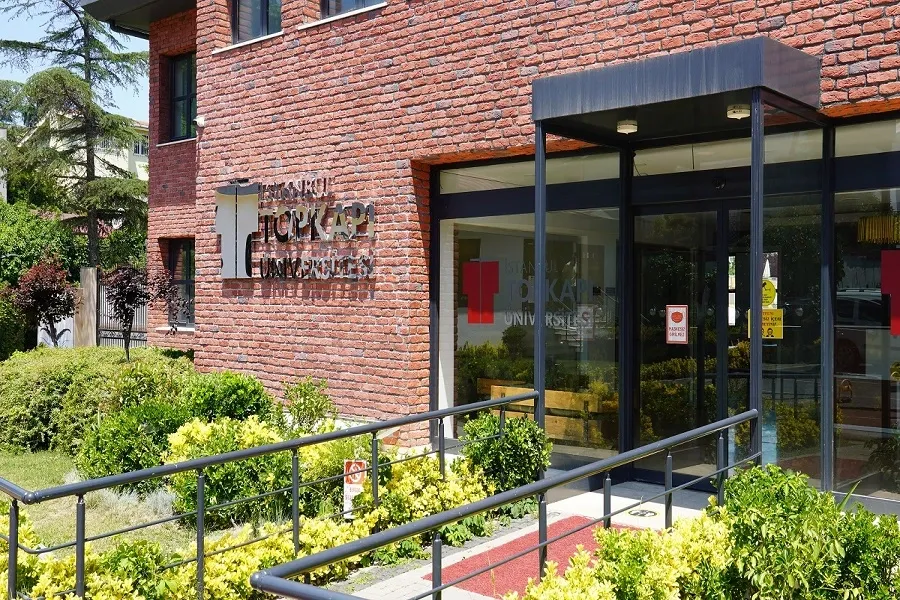
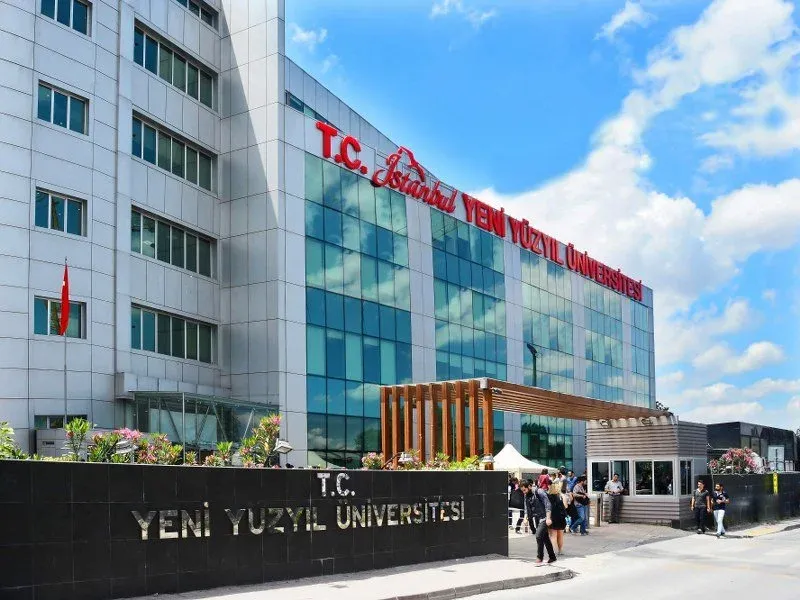
| University | Degree | Language | Tuition |
|---|---|---|---|
| Topkapi University | Bachelor | Turkish | 2026–27 fee on request · university admissions portal (academic year not stated) |
| Yeni Yuzyil University | Bachelor | Turkish | $5 000/yr · fee source (2026–27) |
| Halic University | Bachelor | Turkish | 2026–27 fee on request · university fee page (academic year not stated) |
| Nisantasi University | Bachelor | Turkish | 2026–27 fee on request · university fee page (academic year not stated) |
Fees are the universities’ own list prices, checked on 29 September 2026. “On request” means the university publishes no fee with a 2026–27 label; ask it for a written quote.
Budgeting for 2026–27
Yeni Yüzyıl University’s 2026–27 list for international students places Coaching Education in its $5 000-a-year band and shows a 50% scholarship column of $2 500 for the same programmes; ask the university in writing which of the two figures applies to your application. The same list charges $250 per level for Turkish preparatory classes, up to $1 250 for all levels. For the other universities in the table, request a dated 2026–27 quote before you pay a deposit.
Plan separately for housing, health insurance, the residence-permit card, sports kit and federation course fees, which are not part of tuition. Over four years plus a possible preparatory year, these costs can rival the tuition bill at the lower-priced universities.
Common questions
No. The Turkish degree, Antrenörlük Eğitimi, is a sport-science programme that prepares coaches for athletes and teams. It does not train life, business or executive coaches, and it is not a psychology qualification.
None of the programmes listed on this page is English-taught. Plan for Turkish: either a C1-level certificate or the university’s Turkish exam, or a preparatory year before the degree starts.
It depends on the university. Turkish applicants to coaching departments usually sit a special aptitude test; for international applicants some universities decide on documents alone, while others ask for an interview, a sports CV or a physical assessment. Ask before you apply.
Yeni Yüzyıl University lists $5 000 a year for 2026–27, with a 50% scholarship column showing $2 500. Topkapı, Haliç and Nişantaşı do not publish a fee labelled for 2026–27, so request a dated quote from each.
The degree gives you the academic base. The right to coach at a particular level comes from the sports federation of your branch, in Turkey or in the country where you will work, through its own courses and exams.
Permanent posts in Turkish state institutions are civil-service jobs, and citizenship is one of the general legal conditions. International graduates more often work for private clubs, academies and fitness centres, or return home.
Planning to study coaching in Turkey?
A personal strategy, requirement checks, selection of agreed options, document preparation, applications, and support are provided under an agreement with StudyU. The university decides admission, the migration authority decides the residence permit, and the sports federation decides coaching licences.
Official sources
- YÖK Atlas: official program catalogue — program availability, institution and stated language of instruction. International quotas and tuition require the university's own current source.
- YÖK: official international-student information — the official university search route and general international-student guidance. The chosen university still owns its admission requirements.
- ÖSYM: official TR-YÖS exam (2026) — the official calendar and application route for TR-YÖS/1 in 2026. Each university publishes whether the result is required for the selected program.
Also checked on 29 September 2026 on the institutions’ own sites:
- Yeni Yüzyıl University: 2026–27 undergraduate fees for international students (PDF) (international.yeniyuzyil.edu.tr) — fee basis and academic-year label used in the table above.
- Haliç University: international tuition fees (academic year not stated) (international.halic.edu.tr) — fee basis and academic-year label used in the table above.
- Nişantaşı University: application portal with programme fees (academic year not stated) (apply.nisantasi.edu.tr) — fee basis and academic-year label used in the table above.
- Topkapı University: tuition fees and quotas (no extractable current table) (topkapi.edu.tr) — fee basis and academic-year label used in the table above.
- YÖKAK: accreditation agencies with active registration (yokak.gov.tr) — which national programme accreditors are currently registered.
- Law No. 657 on Civil Servants (Turkish) (mevzuat.gov.tr) — Article 48 general conditions for civil-service posts, including citizenship.
All fees are published in US dollars, so no currency conversion was applied. Confirm language, curriculum, quota and tuition with the university for your intake before paying.
Updated:
