
Turkish Music Art in Turkey: the short answer
Turkish Music Art (Türk Musikisi or Türk Sanat Müziği) is a four-year, Turkish-taught conservatory-style degree in the makam-based classical and folk traditions of Turkey: performance on instruments such as ney, kanun, ud, tanbur and kemençe, voice, theory and repertoire. For 2026/27, Medipol lists Turkish Music Art at $5,000 a year; Haliç's conservatory lists Turkish Classical Music at $4,700 a year without a year label, with master's and PhD options.
Unlike Western classical training, the programme is built around makam (modal system) and usul (rhythmic cycles), learned through repertoire, notation and the master-apprentice tradition. Students choose a main instrument or voice and study theory, history and ensemble performance around it.
State conservatories are central in this field: the İTÜ Turkish Music State Conservatory in Istanbul, the Ege University State Conservatory of Turkish Music in İzmir and the Ankara Yıldırım Beyazıt University State Conservatory for Turkish Music all admit students through special aptitude tests.
What you study, year by year
- Main instrument or voice (individual lessons)
- Turkish music theory: makam and usul
- Solfège and dictation in Turkish music
- History of Turkish music
- Repertoire: classical forms (peşrev, saz semaisi, şarkı)
- Ensemble (fasıl) practice
- Notation and transcription
- Folk music and regional styles
- Advanced makam analysis
- Composition basics in Turkish music
- Recording-studio practice
- Second instrument or voice
- Graduation recital
- Teaching methods for Turkish music
- Archive and research project
- Chamber ensemble and public concerts
The number of hours of individual instrument teaching per week is the most important quality signal. Ask who would teach your instrument and whether they perform professionally.
Entry requirements and the aptitude test
- a completed secondary-school certificate and transcript;
- a special aptitude test or audition: typically playing or singing prepared pieces, rhythm and melodic dictation, and an interview; ask whether international applicants can audition by video;
- Turkish at the level the university sets (Haliç asks for TÖMER C1 for Turkish-taught programmes) or a Turkish preparatory year;
- a passport and translated documents, and after admission the equivalence certificate (denklik) for your school diploma.
State conservatories run their aptitude tests in summer; the Ankara Yıldırım Beyazıt conservatory, for example, held its 2026 exams on 6 and 7 August after a July application window. Foundation universities set their own procedures, so ask each one early.
Application steps and timing
- A year or more before. Take regular lessons on your main instrument or voice with a teacher who knows makam music.
- Six months before. Prepare audition pieces in at least two makams and ask each university for its aptitude-test rules for international applicants.
- Application and audition. Apply online and attend the test or send the recording requested; the university decides admission.
- After acceptance. Pay any deposit required and apply for a student visa; the consulate decides.
- On arrival. Register, obtain denklik and apply for the residence permit, which the migration authority decides.
How to compare programmes
- Your instrument. Confirm that a specialist teaches it; not every department covers every instrument.
- Individual lessons. Hours per week of one-to-one teaching on the main instrument.
- Performance. Concerts, ensembles and recording opportunities for students.
- Theory depth. How many semesters of makam and usul theory and notation are compulsory.
- Graduate path. Haliç lists master's and PhD programmes in Turkish Classical Music.
A common mistake is to arrive with only Western classical training and no exposure to makam. Listen widely and learn basic makam scales before the audition.
Universities and published tuition
Foundation-university programmes in Turkish music with published international fees.

| University | Programme as listed | Degree | Language | Published tuition | Fee year and basis |
|---|---|---|---|---|---|
| Halic University | Turkish Classical Music (Conservatory) | Bachelor | Turkish | $4,700/yr | Year not stated · per year |
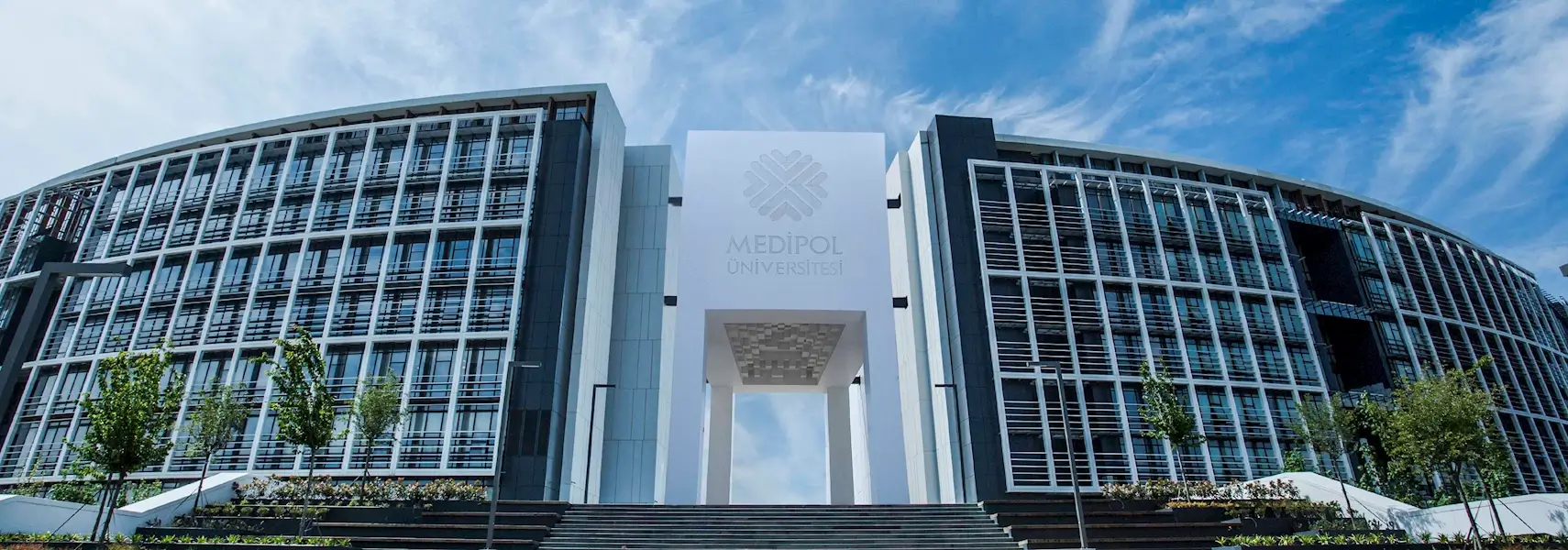
| Medipol University | Turkish Music Art (School of Fine Arts, Design and Architecture) | Bachelor | Turkish | $5,000/yr | 2026/27 · per year |
| Halic University | Turkish Classical Music (non-thesis) | Master | Turkish | $2,700 | Year not stated · programme fee |
| Halic University | Turkish Classical Music (with thesis) | Master | Turkish | $2,700 | Year not stated · programme fee |
| Halic University | Turkish Classical Music (PhD) | PhD | Turkish | $6,300 | Year not stated · programme fee |
Sources: Haliç University, İstanbul Medipol University. Medipol's list also shows a lower advance-payment price ($4,500); the table keeps the list fee.
Add the cost of an instrument, private lessons if needed, housing, insurance and the residence permit.
Careers in Turkish music
Graduates perform as soloists and ensemble musicians, work with radio and television orchestras and cultural institutions, teach in music schools and private studios, compose and arrange, and work in recording and archive projects. Musicians who also teach online reach students worldwide interested in makam music.
Performance careers are built on recordings, concerts and networks. Permanent posts in state ensembles and schools are civil-service positions for Turkish citizens; international graduates more often work freelance, teach, or return home as specialists in a rare tradition. A work permit, applied for by the employer, is needed to work in Turkey.
Who this programme suits
A strong fit if you…
- you already play an instrument or sing and love Turkish or Middle Eastern music;
- you are ready for daily practice and individual lessons;
- you want to specialise in a tradition few musicians abroad master;
- you can study in Turkish.
Think twice if…
- you want Western classical or pop training, where Music or Music Technology programmes fit better;
- you have no musical background yet;
- you need an English-taught programme.
Plan your Turkish music application
During the free initial consultation, we clarify your goal, profile, timing, and budget and identify the next realistic step. A personal strategy, requirement checks, selection of agreed options, document preparation, applications, and support are provided under an agreement with StudyU. The university decides admission after its aptitude assessment, the consulate decides the visa, and the migration authority decides the residence permit.
Frequently asked questions
It is a four-year programme in Turkey's makam-based classical and folk music, covering a main instrument or voice, makam and usul theory, repertoire, ensemble performance and history.
Yes, music programmes normally use a special aptitude test or audition. State conservatories hold theirs in summer; ask foundation universities about their procedure and whether video auditions are accepted.
Medipol lists Turkish Music Art at $5,000 a year for 2026/27. Haliç lists Turkish Classical Music at $4,700 a year without an academic-year label, and its master's at $2,700 for the programme.
The programmes on this page are Turkish-taught. Much of the teaching is practical, but theory, history and exams are in Turkish.
Typical choices are ney, kanun, ud, tanbur, kemençe, bağlama, and voice, but each department has its own list of teachers. Confirm your instrument before applying.
Under an agreement with StudyU, we check audition and language requirements, prepare documents and applications and plan your timeline. The university decides admission after its own assessment.
Official sources
- YÖK Atlas: official program catalogue — program availability, institution and stated language of instruction. International quotas and tuition require the university's own current source.
- YÖK: official international-student information — the official university search route and general international-student guidance. The chosen university still owns its admission requirements.
- ÖSYM: official TR-YÖS exam (2026) — the official calendar and application route for TR-YÖS/1 in 2026. Each university publishes whether the result is required for the selected program.
All tuition figures on this page are published by the universities in US dollars, so no currency conversion was applied. YÖK Atlas lists conservatory and music programmes with their language of instruction; fee sources are linked under the table.
Updated:
