
Visual Arts and Visual Communication Design: the short answer
Visual Arts and Visual Communication Design (VA/VCD) is Sabancı University's four-year, English-taught bachelor's that combines fine-art practice with communication design, from drawing and typography to 3D animation and motion graphics. For 2026/27 Sabancı lists an annual tuition fee of $36,500; its fee page also states $24,500 a year for newly registering international students without a scholarship, and it offers merit tuition waivers of 25% to 75%.
The programme has two tracks, Visual Arts and Visual Communication Design, and encourages students to move between them, so graduates can work as artists, designers or both. Sabancı also runs a master's programme under the same name, with and without a thesis.
This is a different product from the many Turkish-taught Visual Communication Design degrees in Istanbul: it is English-taught, research-university based and priced accordingly. Compare it with our Visual Communication Design guide if cost matters more than the art-and-design combination.
What you study
Sabancı names Visual Language, Drawing Language, 3D Animation, Motion Graphics and Art, and Typographic Design among the programme's required courses, alongside project courses that can be combined with other fields such as engineering or social sciences.
- University foundation courses in English
- Visual language and drawing
- Introduction to art and design history
- Basic digital tools
- Typographic design
- Photography and moving image
- Art studio: form, material and space
- Design thinking
- Motion graphics and art
- 3D animation
- Interaction and new-media design
- Track electives in Visual Arts or Visual Communication Design
- Graduation project in art or design
- Portfolio and exhibition
- Interdisciplinary project courses
- Advanced electives
The year-by-year grouping is indicative; programme requirements vary by year of first enrolment, so use Sabancı's current degree requirements when planning.
Entry requirements for international applicants
- at least one result from Sabancı's list of accepted international exams and diplomas, checked for both the international section and your country;
- English: an accepted international proficiency score, or Sabancı's English Language Assessment Exam during registration week; otherwise English preparatory study;
- scanned copies of your documents for the online application and originals at registration;
- a $30 application fee paid when you submit the form, and a $2,000 pre-payment by the deadline given in the offer.
Scholarship offers are competitive and depend on the exam results and supporting documents you submit, so include everything that shows academic and creative strength. A portfolio is not listed as a general requirement, but samples of your work strengthen a scholarship case.
Application steps and timing
Sabancı's early application deadline for the 2026 intake was 28 August 2026 and has passed; watch the international office pages for the next intake's dates.
- 12 months before. Check which of your exams or diplomas meet Sabancı's requirements and plan an English test.
- 6 to 9 months before. Prepare a portfolio of drawings, photographs or digital work, even if optional, to support a scholarship request.
- Application. Create an account on the application portal, upload documents and pay the $30 fee.
- Offer. Pay the $2,000 pre-payment by the offer deadline; a missed deadline can pass a scholarship to another student.
- Arrival. Take the English assessment if needed, register, and apply for the residence permit, which the migration authority decides.
Is this programme worth its price?
- Art and design together. Few programmes in Turkey combine fine art and communication design in one degree taught in English.
- Interdisciplinary campus. Project courses can involve engineering, social-science or business students.
- Scholarship effect. A 50% or higher waiver changes the comparison with cheaper Turkish-taught programmes completely.
- Language. If you are happy to study in Turkish, Visual Communication Design programmes elsewhere cost a fraction of the fee.
- Graduate outcomes. Sabancı lists graduates working as artists, designers, curators and art directors, at companies such as Google, Fjord and TBWA.
A common mistake is to compare only list prices. Ask for a written scholarship decision before paying the pre-payment.
University and published tuition
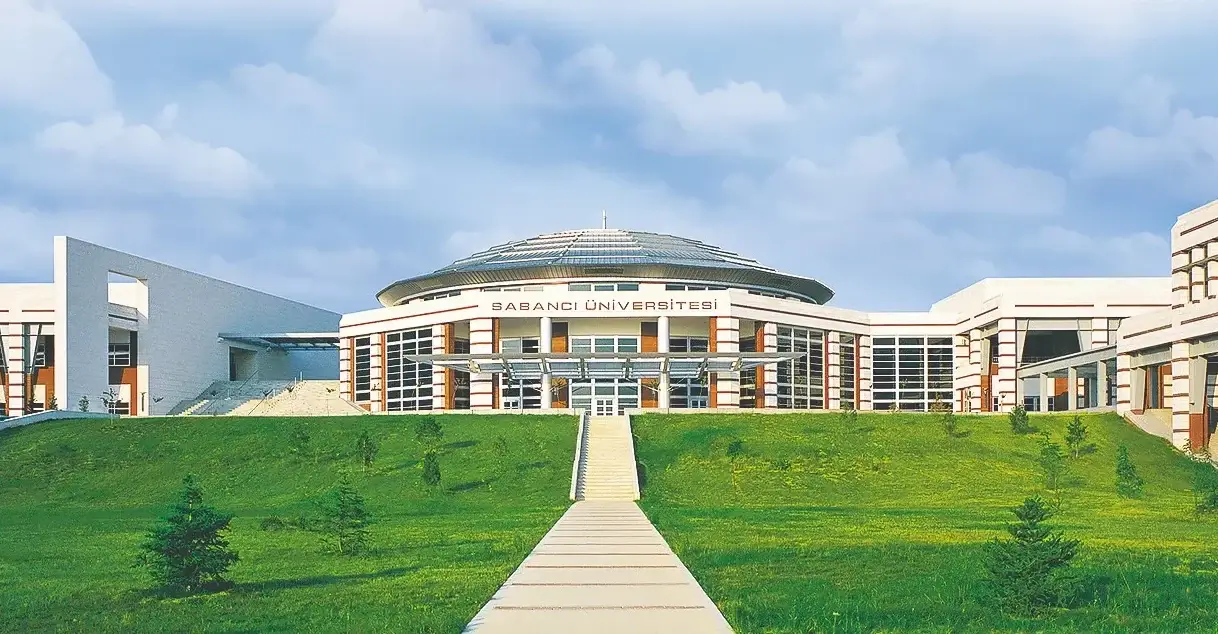
Sabancı University is the university that offers this programme under this name.
| University | Programme as listed | Degree | Language | Published tuition | Fee year and basis |
|---|---|---|---|---|---|
| Sabanci University | Visual Arts and Visual Communication Design | Bachelor | English | $36,500/yr | 2026/27 · annual list fee ($24,500 a year stated for new international students without a scholarship) |
Source: Sabancı University. The fee page also offers merit tuition waivers of 25%, 40%, 50%, 60% and 75% and accommodation scholarships. Master's fees are not on this page; ask the university for the current graduate fee.
Budget for art materials, a capable laptop and software, housing (campus dormitories are charged for nine months) and insurance.
Careers after VA/VCD
Graduates work as visual artists, graphic and communication designers, art directors, motion and multimedia designers, curators, editors, social-media and brand specialists, and in film and interactive media. The master's programme leads to academic and research-based practice.
Design employers hire on portfolio. Use the four years to build a body of work across print, motion and interactive media, and to exhibit it. A work permit, applied for by the employer, is needed to work in Turkey after graduation.
Who this programme suits
A strong fit if you…
- you want to combine art practice with design;
- you want to study design in English at a research university;
- you have a strong academic record that could earn a scholarship;
- you enjoy interdisciplinary projects.
Think twice if…
- your budget cannot cover the fee without a large scholarship;
- you want a purely commercial graphic-design course;
- you prefer a Turkish-taught programme with lower fees.
Plan your VA/VCD application
During the free initial consultation, we clarify your goal, profile, timing, and budget and identify the next realistic step. A personal strategy, requirement checks, selection of agreed options, document preparation, applications, and support are provided under an agreement with StudyU. Sabancı University decides admission and scholarships, the consulate decides the visa, and the migration authority decides the residence permit.
Frequently asked questions
Sabancı lists an annual tuition fee of $36,500 for 2026/27. The same page states $24,500 a year for newly registering international students without a scholarship, and merit waivers of 25% to 75% are available.
Yes. Sabancı states that its language of education is English; students without an accepted English score take the university's English assessment and, if needed, preparatory study.
A portfolio is not listed as a general application requirement, but work samples support a scholarship request and show that the programme suits you.
Sabancı charges a $30 application fee, and admitted students pay a $2,000 pre-payment by the deadline in their offer.
Yes. Sabancı runs a master's in Visual Arts and Visual Communication Design with a thesis track and a non-thesis track, both ending with an art or design project presented to a jury.
Under an agreement with StudyU, we check which of your exams meet the requirements, prepare the application and scholarship documents and plan your timeline. Sabancı decides admission and scholarships.
Official sources
- YÖK Atlas: official program catalogue — program availability, institution and stated language of instruction. International quotas and tuition require the university's own current source.
- YÖK: official international-student information — the official university search route and general international-student guidance. The chosen university still owns its admission requirements.
- ÖSYM: official TR-YÖS exam (2026) — the official calendar and application route for TR-YÖS/1 in 2026. Each university publishes whether the result is required for the selected program.
All tuition figures on this page are published by the universities in US dollars, so no currency conversion was applied. YÖK Atlas lists the programme and its language of instruction; the fee source is linked under the table.
Updated:
