
Nutrition and Dietetics in Turkey: the short answer
Nutrition and Dietetics in Turkey is a four-year health-sciences bachelor's that trains dietitians for hospitals, public health, sports and the food industry. Most programmes teach in Turkish; English-taught tracks are listed at Yeni Yüzyıl, Okan and Bahçeşehir. For 2026–27 the lowest published annual fees in our table are $4 000 at Biruni and Ankara Medipol (Turkish), and the English options run from $5 000 at Okan and Yeni Yüzyıl to $8 500 at Bahçeşehir.
| Question | Answer |
|---|---|
| Degree and length | Bachelor's (lisans), 4 years; master's 1–2 years; PhD 4–5 years |
| Teaching language | Mostly Turkish; English at Yeni Yüzyıl, Okan and Bahçeşehir |
| Clinical training | Supervised practice in hospital wards, clinics and institutional kitchens, mainly in years 3–4 |
| Published tuition, 2026–27 | $4 000–$12 000 a year for the bachelor's, depending on university and language |
| Key school subjects | Biology and chemistry |
| Title after graduation | Dietitian (diyetisyen) in Turkey; abroad, the local regulator decides |
Dietetics is a clinical profession, not a wellness course. You will spend as much time on biochemistry, pathology and medical nutrition therapy as on food, and patient-facing placements run in the hospital’s working language.
What you study
The first year is shared with other health sciences. Nutrition science and food chemistry dominate the second year, and from the third year students plan diets for patients with diabetes, kidney disease, cancer or food allergies under a supervising dietitian. Most faculties finish with an internship across hospital, community and food-service settings.
- Anatomy and physiology
- General and organic chemistry
- Introduction to nutrition science
- Microbiology
- Nutritional biochemistry
- Food chemistry and analysis
- Nutrition through the life cycle
- Food safety and hygiene
- Medical nutrition therapy
- Paediatric and elderly nutrition
- Community and public-health nutrition
- Mass-catering management
- Clinical dietetics internship
- Sports nutrition
- Nutrition counselling and communication
- Research methods and graduation project
A good fit if you
- like biology and chemistry and want a patient-facing health career;
- enjoy explaining things and changing people’s habits;
- are ready to study in Turkish or pass an English-proficiency threshold.
Consider another route if you
- want a quick online coaching career without clinical training;
- dislike chemistry, which runs through the first three years;
- plan to practise abroad without checking that country’s registration rules first.
Entry requirements for international applicants
Private universities admit dietetics applicants mainly on school results; state universities rank them by exam. Expect the following file.
- School certificate and transcript. Good marks in biology and chemistry help. Russian and CIS applicants use the 11-year certificate; the Ministry of National Education issues the equivalence certificate (denklik) after admission.
- Exam scores where asked. SAT, TR-YÖS or national exam results are optional at many private universities and can affect scholarships.
- Language. For Turkish tracks, a Turkish certificate (often B2) or a preparatory year; for English tracks, an accepted English score or the university’s own exam.
- Health documents. Some faculties ask for a health report or vaccination records before clinical placements.
- Graduate study. Master’s and PhD applicants need a dietetics or related degree; institutes may ask for ALES and an interview.
The university decides admission and scholarships; the Presidency of Migration Management decides the student residence permit.
How to compare dietetics programmes
The price gap between Turkish-taught programmes is small, so decide on clinical quality and language first.
| What to check | Why it matters |
|---|---|
| Hospital partners for internships | A university hospital or large partner hospital gives varied clinical cases |
| Supervision in clinical practice | Ask how many students each supervising dietitian follows |
| Food and nutrition laboratories | Food analysis and anthropometry labs support practical skills |
| Language of clinical placements | Even in English tracks, patients in Turkish hospitals speak Turkish |
| Graduate path | Okan, Üsküdar, Atlas, İstinye and Biruni publish dietetics master’s fees for 2026–27 |
Watch for fee conditions: Mudanya publishes $6 000 a year for 2026–27, reduced to $4 800 for early registration by 30 November 2026, and several universities show lower advance-payment prices next to the list fee.
Universities offering Nutrition and Dietetics
Bachelor's fees are annual list prices. Master's and PhD fees cover the whole programme where the university says so.
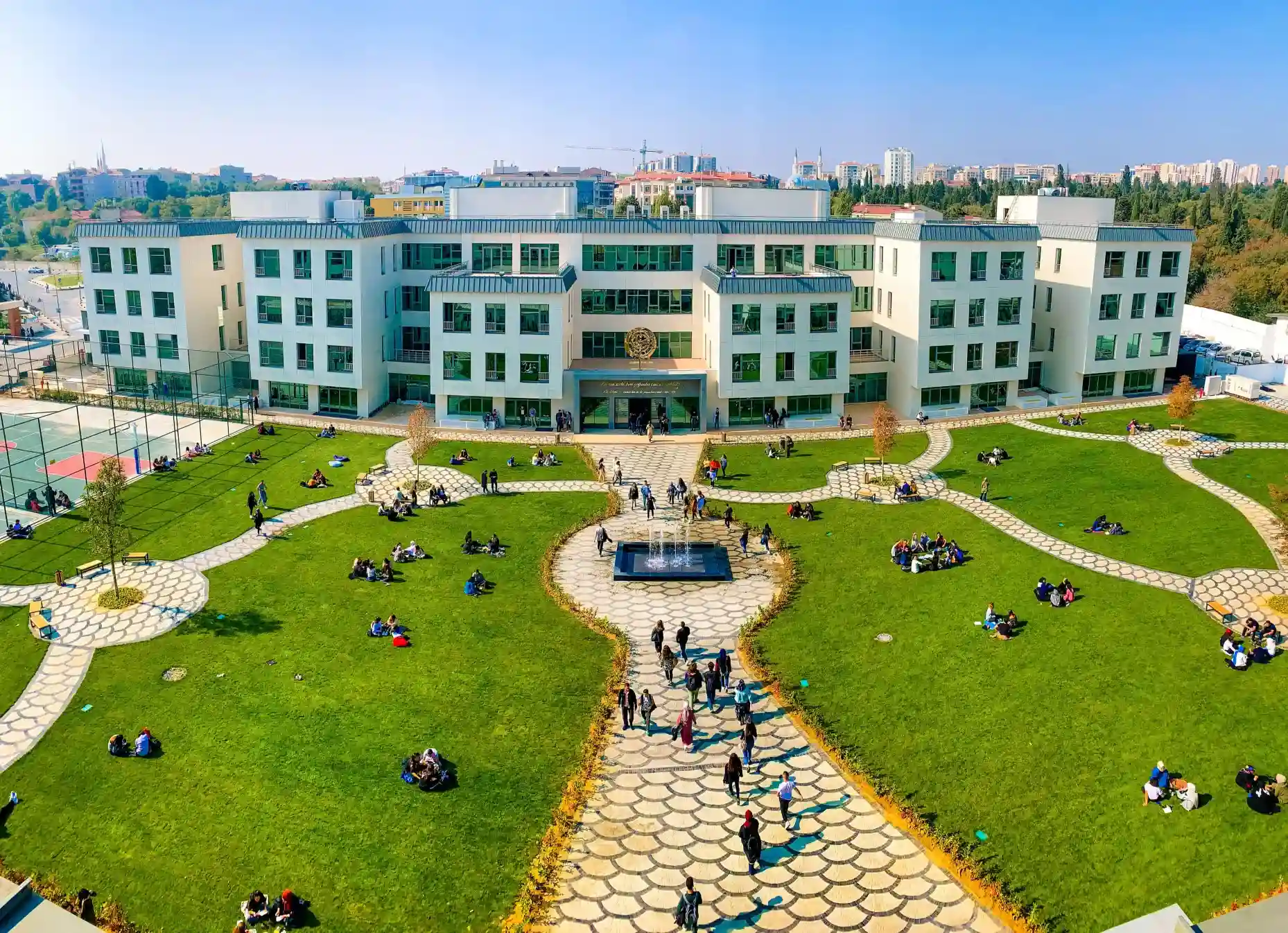
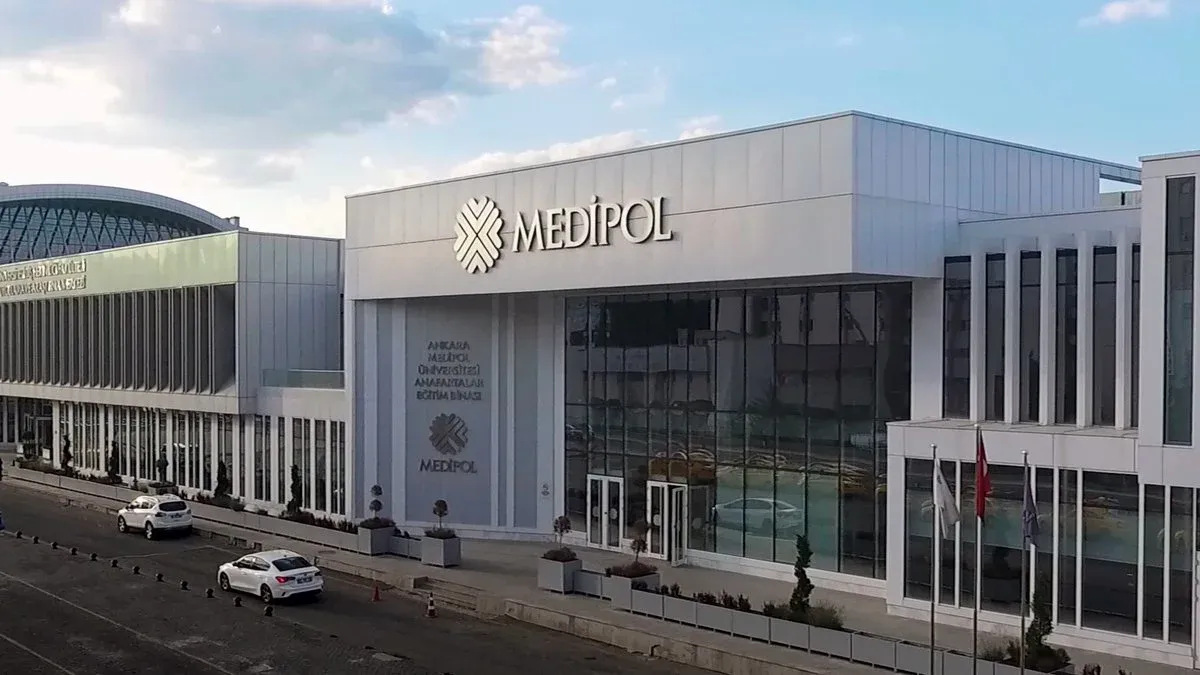
| University | Degree | Language | Tuition |
|---|---|---|---|
| Biruni University | Bachelor | Turkish | $4 000/yr (2026–27) · fee source |
| Ankara Medipol University | Bachelor | Turkish | $4 000/yr (2026–27) |
| Uskudar University | Bachelor | Turkish | $4 200/yr (2026–27) · fee source |
| Atlas University | Bachelor | Turkish | $4 500/yr (2026–27) |
| Medipol University | Bachelor | Turkish | $4 500/yr (2026–27) · fee source |
| Okan University | Bachelor | Turkish | $4 500/yr (2026–27) · fee source |
| Okan University | Bachelor | English | $5 000/yr (2026–27) · fee source |
| Yeni Yuzyil University | Bachelor | English | $5 000/yr (2026–27) · fee source |
| Mudanya University | Bachelor | Turkish | $6 000/yr (2026–27) |
| Istinye University | Bachelor | Turkish | $8 000/yr (2026–27) · fee source |
| Antalya Bilim University | Bachelor | Turkish | $8 300/yr (2026 list) · fee source |
| Bahcesehir University | Bachelor | English | $8 500/yr (2026–27) · fee source |
| Bahcesehir University | Bachelor | Turkish | $8 500/yr (2026–27) · fee source |
| Bilgi University | Bachelor | Turkish | $12 000/yr (2026–27) · fee source |
| Gelisim University | Bachelor | Turkish | $3 500/yr (2025–26 list, latest published) · fee source |
| Gelisim University | Bachelor | English | $4 000/yr (2025–26 list, latest published) · fee source |
| Gedik University | Bachelor | Turkish | $5 000/yr (2025–26 list, latest published) · fee source |
| Halic University | Bachelor | Turkish | Fee on request · fee page (academic year not stated) |
| Halic University | Bachelor | English | Fee on request · fee page (academic year not stated) |
| Nisantasi University | Bachelor | Turkish | Fee on request · application portal (academic year not stated) |
| Istanbul Galata University | Bachelor | Turkish | Fee on request (latest published list is for 2024–25) |
| Okan University | Master | Turkish | $4 500 whole programme, thesis (2026–27) · fee source · $3 500 non-thesis |
| Uskudar University | Master | Turkish | $4 800 whole programme, thesis (2026–27) · fee source · $4 400 non-thesis |
| Biruni University | Master | Turkish | $6 000 thesis track (2026–27) · fee source |
| Atlas University | Master | Turkish | $7 415 thesis track (2026–27) · fee source · $5 295 non-thesis |
| Istinye University | Master | Turkish | $8 500 whole programme, thesis (2026–27) · fee source · $8 000 non-thesis |
| Bahcesehir University | Master | Turkish | $14 000 whole programme, thesis (2026–27) · fee source · $12 000 non-thesis |
| Gelisim University | Master | Turkish | $4 500 thesis (2025–26 list) · fee source · $3 750 non-thesis |
| Halic University | Master | Turkish | Fee on request · fee page (academic year not stated) |
| Nisantasi University | Master | Turkish | Fee on request · application portal (academic year not stated) |
| Okan University | PhD | Turkish | $7 000 whole programme (2026–27) · fee source |
| Istinye University | PhD | Turkish | $12 500 whole programme, 4-year track (2026–27) · fee source |
| Halic University | PhD | Turkish | Fee on request · fee page (academic year not stated) |
Fee basis: each university’s published list price for new international students, checked on 29 September 2026. Rows marked 2025–26 or 2026 show the latest list the university had published; ask it to confirm the fee for your intake. Medipol also lists Nutrition and Dietetics at its Haliç campus college of health sciences for $4 000.
Careers and the right to practise
Dietitians work in hospital clinical nutrition units, dialysis and oncology centres, private practice, public-health programmes, school and corporate catering, sports clubs and food companies (product development, labelling and quality). Graduates who continue to a master’s move into research, teaching or specialised fields such as paediatric or sports nutrition.
In Turkey the professional title is diyetisyen, and working as a foreign health professional requires a work permit and the authorisations that apply to your role. Outside Turkey the national regulator decides whether your degree leads to registration: many countries compare hours of supervised clinical practice and may require an exam or an adaptation period. Check this before you choose a university, because the length of the clinical internship differs between programmes.
Nutrition and Dietetics in Turkey: questions applicants ask
Yes. Okan and Yeni Yüzyıl list English-taught tracks at $5 000 a year for 2026–27, Bahçeşehir lists $8 500, and Gelişim published $4 000 on its 2025–26 list. Clinical placements still involve Turkish-speaking patients.
Among 2026–27 lists, Biruni and Ankara Medipol charge $4 000 a year for their Turkish-taught programmes, followed by Üsküdar at $4 200.
Four years, plus a preparatory year if your Turkish or English is below the required level. Master’s programmes take one to two years.
No. Dietitians are trained for clinical nutrition therapy in hospitals, which requires biochemistry, pathology and supervised practice.
Possibly, but the regulator of the destination country decides and may require an exam, extra practice hours or an adaptation period.
Okan, Üsküdar, Biruni, Atlas, İstinye and Bahçeşehir publish 2026–27 master’s fees; Okan, İstinye and Haliç also list PhD programmes.
Programme comparison, eligibility checks, document preparation and application follow-up are provided under an agreement with StudyU. The university decides admission and any scholarship.
Planning to study nutrition and dietetics in Turkey?
During the free initial consultation, we clarify your goal, profile, timing, and budget and identify the next realistic step. A personal strategy, requirement checks, selection of agreed options, document preparation, applications, and support are provided under an agreement with StudyU.
Official sources
- YÖK Atlas: official program catalogue — program availability, institution and stated language of instruction. International quotas and tuition require the university's own current source.
- YÖK: official international-student information — the official university search route and general international-student guidance. The chosen university still owns its admission requirements.
- ÖSYM: official TR-YÖS exam (2026) — the official calendar and application route for TR-YÖS/1 in 2026. Each university publishes whether the result is required for the selected program.
Tuition figures come from the universities’ own fee lists for international students: Biruni University: Tuition Guidelines 2026–2027; Ankara Medipol University: 2026–2027 tuition fee list; Üsküdar University: 2026–2027 international tuition fees; Atlas University: University Profile 2026–2027 with programme fees (PDF); İstanbul Medipol University: 2026–2027 tuition fee list (PDF); İstanbul Okan University: 2026–2027 tuition fees; İstanbul Yeni Yüzyıl University: 2026–2027 undergraduate fees (PDF); Mudanya University: 2026–2027 tuition fees; İstinye University: quotas and tuition fees for 2026–2027 entrants; Antalya Bilim University: 2026 tuition fees for international students; Bahçeşehir University (BAU): 2026–2027 tuition fees; İstanbul Bilgi University: 2026–2027 tuition and fees; İstanbul Gelişim University: international fee list (PDF); İstanbul Gedik University: tuition fees. Where a list is available online, the fee cell in the table links to it. All fees are published in US dollars, so no currency conversion was applied. Fees were checked on 29 September 2026; confirm language, curriculum, quota and tuition with the university for your intake before paying.
Updated:
